Category
page 1Astronomical objects discovered in 1781
.svg)
Uranus
Uranus is the seventh planet from the Sun. It is a gaseous cyan-coloured ice giant. Most of the planet is made of water, ammonia, and methane in a supercritical phase of matter, which astronomy calls "ice" or volatiles. The planet's atmosphere has a complex layered cloud structure and has the lowest minimum temperature () of all the Solar System's planets. It has a marked axial tilt of 82.23° with a retrograde rotation period of 17 hours and 14 minutes. This means that in an 84-Earth-year orbital period around the Sun, its poles get around 42 years of continuous sunlight, followed by 42 years

Sombrero Galaxy
Unbarred spiral galaxy in the constellation Virgo

Pinwheel Galaxy
spiral galaxy in the constellation Ursa Major

Messier 87
galaxy in the Virgo Galactic Cluster

Messier 106
Spiral galaxy in the constellation Canes Venatici

Owl Nebula
planetary nebula in the constellation Ursa Major

Messier 84
elliptical or lenticular galaxy in the constellation Virgo

Messier 100
Spiral galaxy in the constellation Coma Berenicies

Messier 94
Spiral galaxy in the constellation Canes Venatici

Messier 98
galaxy in the constellation Coma Berenices

Messier 90
Spiral galaxy in the constellation Virgo

Messier 95
Barred spiral galaxy in the constellation Leo

Messier 99
galaxy

Messier 105
galaxy

Messier 86
galaxy in the constellation Virgo

Messier 89
Galaxy

Messier 103
open cluster in the constellation Cassiopeia
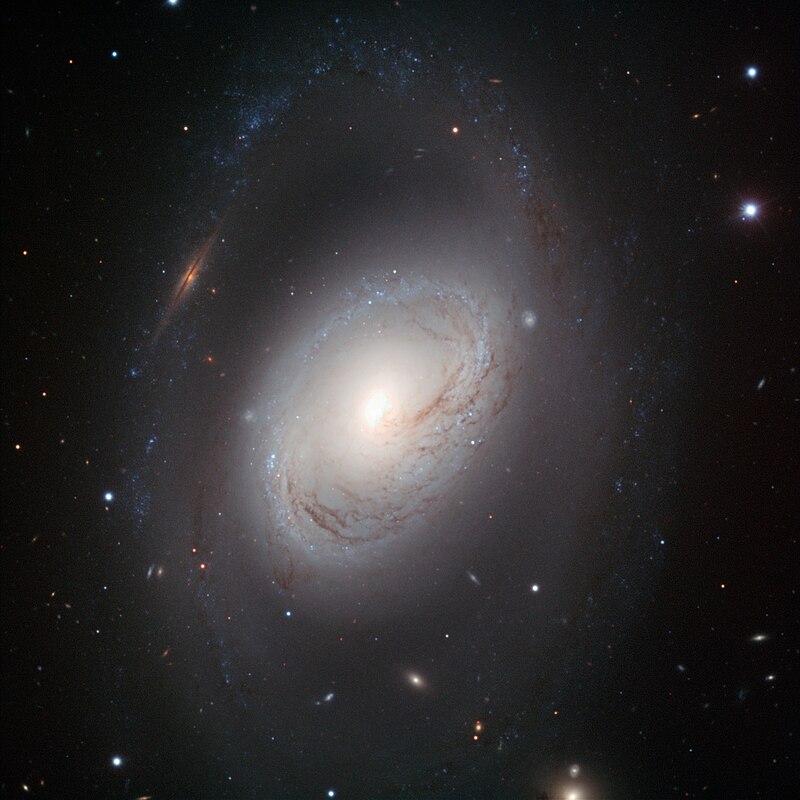
Messier 96
Galaxy

Messier 85
elliptical or lenticular galaxy in the constellation Coma Berenices
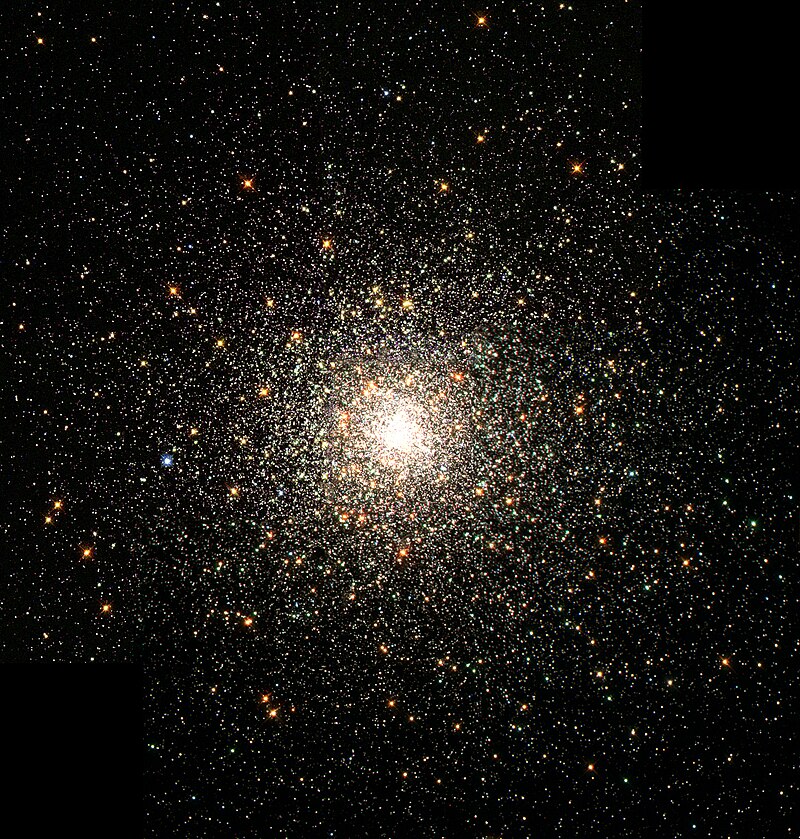
Messier 80
globular star cluster

Messier 91
galaxy

Messier 93
open cluster

Messier 109
spiral galaxy in the constellation Ursa Major

Messier 88
Galaxy

Messier 108
spiral galaxy in the constellation Ursa Major

NGC 5195
galaxy in the constellation Canes Venatici
NGC 3953
barred spiral galaxy in the constellation of Ursa Major
NGC 5866
lenticular galaxy in the constellation Draco