Category
page 1Axis powers

Nazi Germany
Nazi Germany, officially the German Reich and later the Greater German Reich, was the German state between 1933 and 1945, when Adolf Hitler and the Nazi Party controlled the country, transforming it into a totalitarian dictatorship. The Third Reich, meaning "Third Realm" or "Third Empire", referred to the Nazi claim that Nazi Germany was the successor to the Holy Roman Empire (800–1806) and the German Empire (1871–1918). The Third Reich, which the Nazis referred to as the Thousand-Year Reich, ended in May 1945, after 12 years, when the Allies defeated Germany and entered the capital, Berlin, ending World War II in Europe.
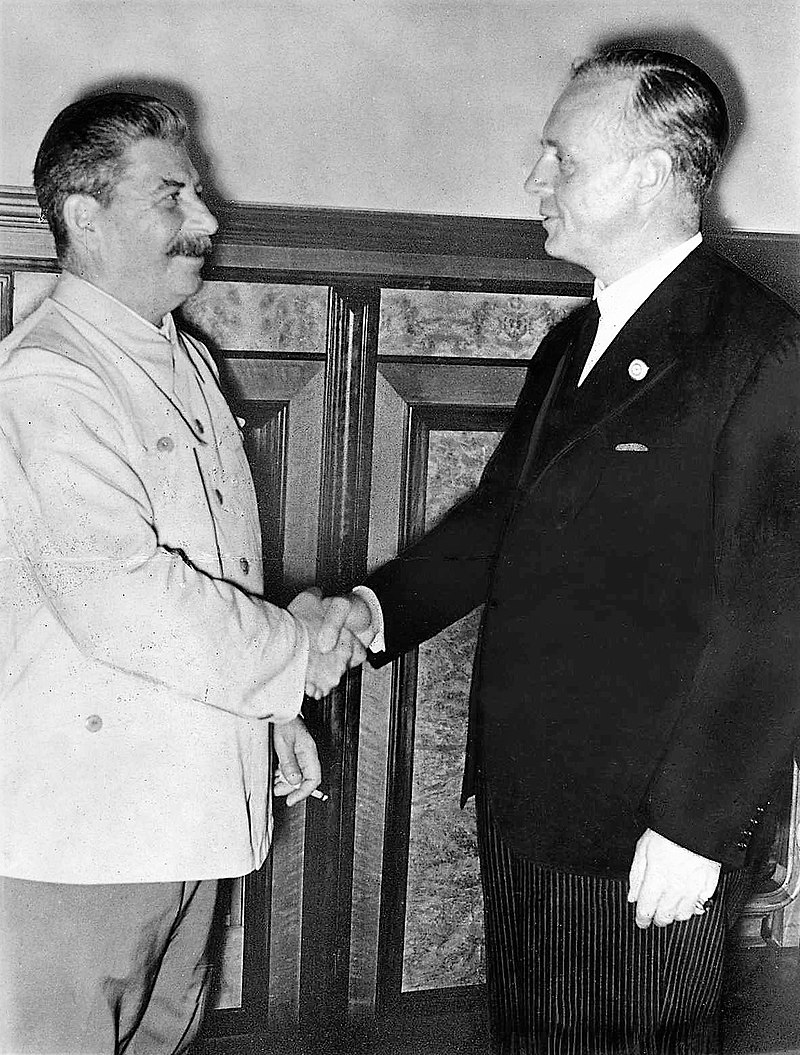
Molotov–Ribbentrop Pact
1939 neutrality pact between Nazi Germany and the Soviet Union
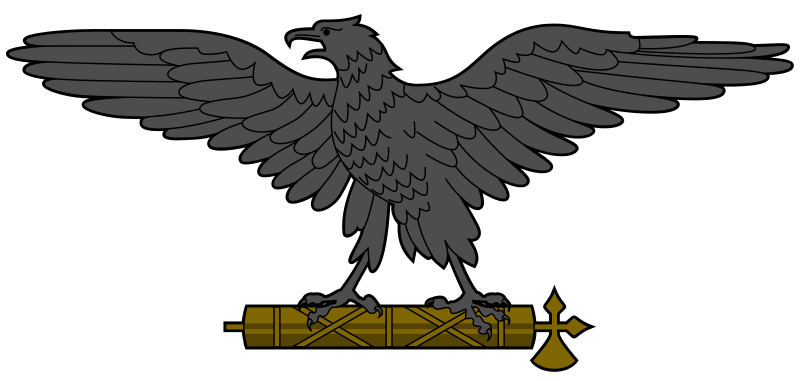
Axis Powers
major alliance of World War II
Empire of Japan
Empire in the Asia-Pacific region from 1868 to 1947
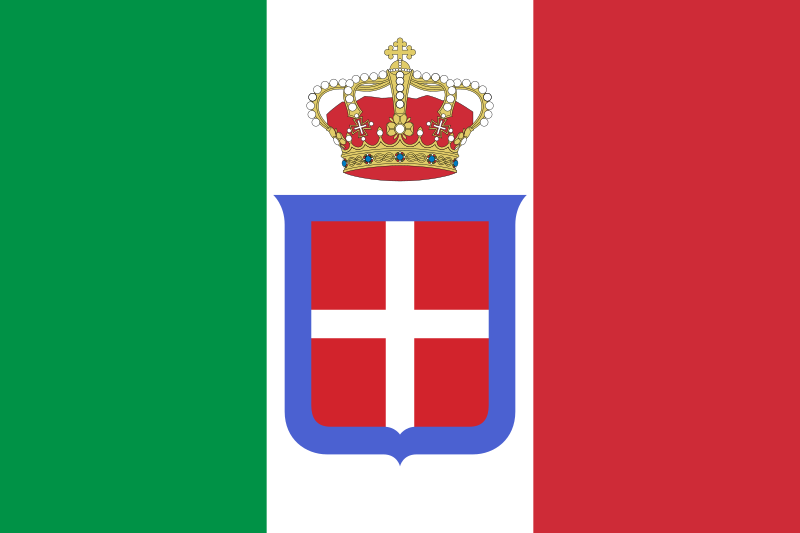
Kingdom of Italy
kingdom in Southern Europe from 1861 to 1946

Vichy France
client state of Nazi Germany, administering the Free Zone in southern France and French colonial possessions (1940–1944)

Manchukuo
Manchukuo or Manchoukuo, officially the Manchou Empire after 1934 and State of Manchoukuo prior, was a puppet state of the Empire of Japan in Manchuria that existed from 1932 until its dissolution in 1945. It was ostensibly founded as a republic, its territory consisting of the lands seized in the Japanese invasion of Manchuria; it was later declared to be a constitutional monarchy in 1934, though very little changed in the actual functioning of government. Manchukuo received limited diplomatic recognition, primarily from states aligned with the Axis powers, with its existence widely regarded

Kingdom of Hungary
Central European monarchy (1000–1946)
Italian Social Republic
1943–1945 German puppet state in northern Italy
Kingdom of Romania
kingdom in Southeastern Europe between 1881 and 1947

Anti-Comintern Pact
pact between Nazi Germany and Japan prior to World War II

Tripartite Pact
treaty establishing the Axis Powers of World War Two

Pact of Steel
agreement signed between Germany and Italy in 1939

Independent State of Croatia
World War II-era puppet state of Nazi Germany and Fascist Italy (April 1941-May 1945)
Kingdom of Bulgaria
state on the Balkan Peninsula between 1908 and 1946

Lebensraum
thumb|Proposed supposed boundaries of the planned "Greater Germanic Reich," including planned post-war eastward expansions of Reichskommissariat|Reichskomissariats.

Slovak Republic
1939–1945 client state of Nazi Germany
Italian Empire
colonial policies undertaken by the Kingdom of Italy (1882-1946)

Continuation War
1941–1944 Finnish war against USSR

Kingdom of Hungary
Central European state between 1920 and 1946

Kingdom of Iraq
independent Iraqi monarchy (1932–1958)
Generalplan Ost
Nazi racial plan of enslavement and genocide of peoples of Central and Eastern Europe, mainly Jews, Slavs & Roma

Invasion of Yugoslavia
1941 German-led attack on the Kingdom of Yugoslavia by the Axis powers during the Second World War
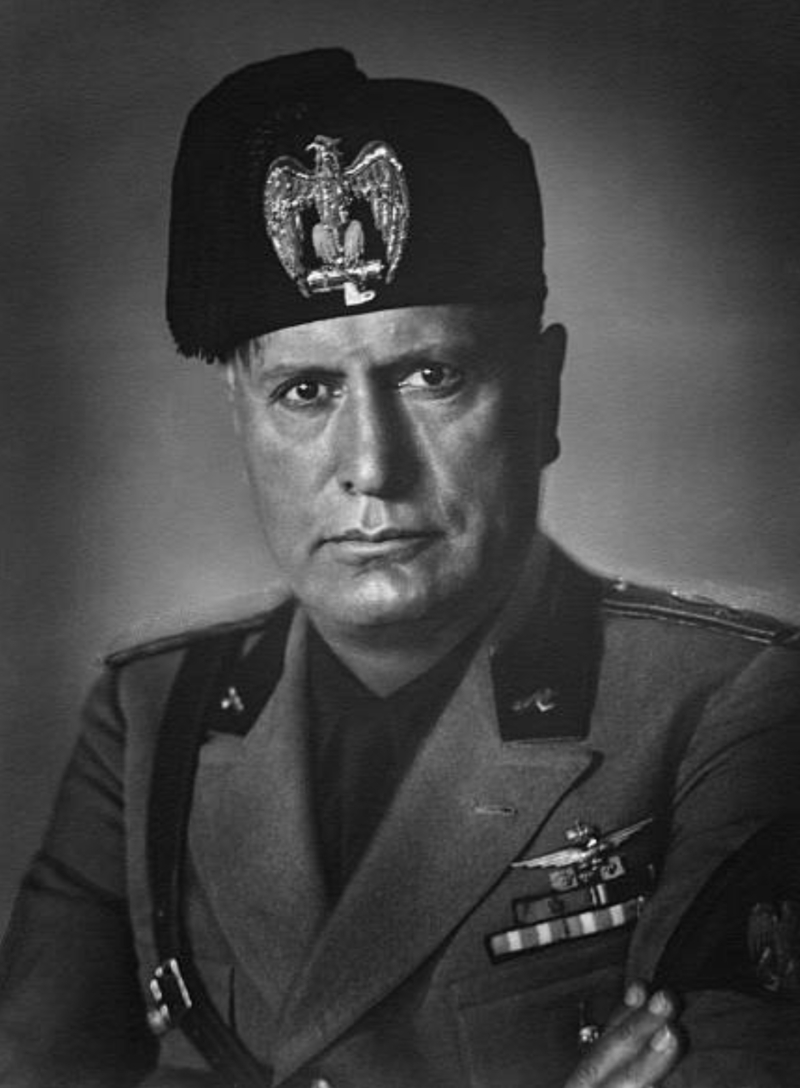
Fascist Italy
kingdom of Italy under Fascist rule (31st October 1922 – 25th July 1943)
Pahlavi Iran
former sovereign state (1925–1979)
Azad Hind
Indian provisional government in Japanese-occupied Singapore during World War II

Untermensch
thumb|upright=0.95|Cover of the Nazi propaganda brochure "Der Untermensch" ("The Subhuman"), 1942. The SS booklet depicted the natives of Eastern Europe as "subhumans".
Untermensch (; plural: Untermenschen) is a German language word literally meaning 'underman', 'sub-man', or 'subhuman', which was extensively used by Germany's Nazi Party to refer to their opponents and non-Aryan people they deemed as inferior. It was mainly used against "the masses from the East", that is Jews, Roma, and Slavs (mainly ethnic Poles, Belarusians, Ukrainians, Russians and Serbs).
German military administration in occupied France during World War II
1940 interim occupation authority established by Nazi Germany during World War II
Italian protectorate of Albania
kingdom in Southeast Europe between 1939–1943

Mengjiang
Mengjiang, also known as Mengkiang, officially the Mengjiang United Autonomous Government, was an autonomous zone of the Wang Jingwei regime in Inner Mongolia. It was formed in 1939 as its own puppet state of the Empire of Japan, and from 1940 was placed under the sovereignty of the Wang Jingwei regime, which was itself a puppet government. It consisted of the previously Chinese provinces of Chahar and Suiyuan, corresponding to the central part of modern Inner Mongolia. It has also been called Mongukuo or Mengguguo (or Mengkukuo; ; in analogy to Manchukuo, another Japanese puppet state in Manc
Soviet–Japanese Neutrality Pact
1941 bilateral treaty
Empire of Vietnam
short-lived puppet state (March–August 1945) of Japan governing the former French protectorates of Annam and Tonkin
Wang Jingwei regime
Chinese puppet government under the Empire of Japan; existed from 1940 to 1945
Greater East Asia Co-Prosperity Sphere
propaganda term for the sphere of influence of the Japanese empire, purporting to provide pan-Asian autonomy free from European colonialism
Governorate of Montenegro
short-lived territory on the Balkan Peninsula between 1941–1943
Second Philippine Republic
puppet state established in 1943 during the Japanese occupation of the Philippines
Government of National Unity
former government of Hungary
Karafuto Prefecture
former prefecture of Japan on southern Sakhalin island
Axis occupation of Greece
1941 military occupation of the Kingdom of Greece by the Axis Powers during WWII
A-A line
military objective of Operation Barbarossa
New Order
proposed political order by Nazi Germany for its conquered areas in Europe and other regions of the world
State of Burma
puppet state of the Empire of Japan
German-occupied Europe
European countries occupied by the military forces of Nazi Germany
Case Anton
1942 militaryoccupation of Vichy France during the Second World War
Yugoslav coup d'état
Yugoslav coup d'état, 27 March 1941, replaced the regency led by Prince Paul and installed King Peter II
Japanese occupation of the Dutch East Indies
Japanese occupation of the Dutch East Indies during World War II, 1942-1945
Greater Italy
Aspect of politics in Fascist Italy
Heim ins Reich
slogan used to describe one of Adolf Hitler's foreign policies
Quisling regime
fascist collaboratonist government in German-occupied Norway during World War II
Denmark in World War II
German military occupation of Denmark during World War II
Independent Macedonia
Proposed Macedonian state during German occupation during the Second World War
Japanese occupation of Hong Kong
3.7 year occupation of Hong Kong during World War II by the Japanese Empire
Finland in World War II
military engagements regarding Finland during World War II
German–Soviet Axis talks
talks concerning the Soviet Union's potential entry as a fourth Axis Power in World War II

Pan-Asianism
thumb|Satellite photograph of Asia in orthographic projection.
Pan-Asianism (also known as Asianism or Greater Asianism) is an ideology aimed at creating a political and economic unity among Asian peoples. Various theories and movements of Pan-Asianism have been proposed, particularly from East, South and Southeast Asia. The motive for the movement was in opposition to the values of Western imperialism and colonialism, and that Asian values were superior to European values.
German declaration of war against the United States
official declaration of war by the German Empire on the United States
Japanese occupation of Burma
period of Burmese history from 1942 to 1945
Japanese occupation of Cambodia
military occupation by the Empire of Japan
Germany–Soviet Union relations, 1918–1941
diplomatic relations between Weimar Republic/Nazi Germany and the Soviet Union
Great Way Government
short-lived puppet government proclaimed in Pudong on 5 Dec. 1937, to administer Japanese-occupied Shanghai in the early stages of the Second Sino-Japanese War