Category
page 1Baal

Jupiter
chief deity of Roman state religion

Baal
Baal (), or '''Ba'al''' (), was a title and honorific meaning "owner" or "lord" in the Northwest Semitic languages spoken in the Levant during antiquity. From its use among people, it came to be applied to gods. Scholars previously associated the theonym with solar cults and with a variety of unrelated patron deities, but inscriptions have shown that the name Baal was particularly associated with the storm and fertility god Hadad and his local manifestations. The Ugaritic god Baal (𐎁𐎓𐎍) is the protagonist of one of the lengthiest surviving epics from the ancient Near East, the Baal Cycle.

Beelzebub
thumb|Beelzebub's appearance from the Dictionnaire Infernal, akin to a [[fly]]
thumb|"Beelzebub and them that are with him shoot arrows" from John Bunyan's ''[[The Pilgrim's Progress (1678)]]
thumb|upright|Beelzebub as a character in the mummers play|mumming play St George and the Dragon'' by the St Albans Mummers, 2015

Enlil
Enlil (Sumerian: dEN-LÍL), later known as Elil and Ellil, is an ancient Mesopotamian god associated with wind, air, earth, and storms. He is first attested as the chief deity of the Sumerian pantheon, but he was later worshipped by the Akkadians, Babylonians, Assyrians, and Hurrians. Enlil's primary center of worship was the Ekur temple in the city of Nippur, which was believed to have been built by Enlil himself and was regarded as the "mooring-rope" of heaven and earth. He is also sometimes referred to in Sumerian texts as Nunamnir. According to one Sumerian hymn, Enlil himself was so holy t

Jezebel
Jezebel () was the daughter of Ithobaal I of Tyre and the wife of Ahab, King of Israel, according to the Book of Kings of the Hebrew Bible (1 Kings 16).
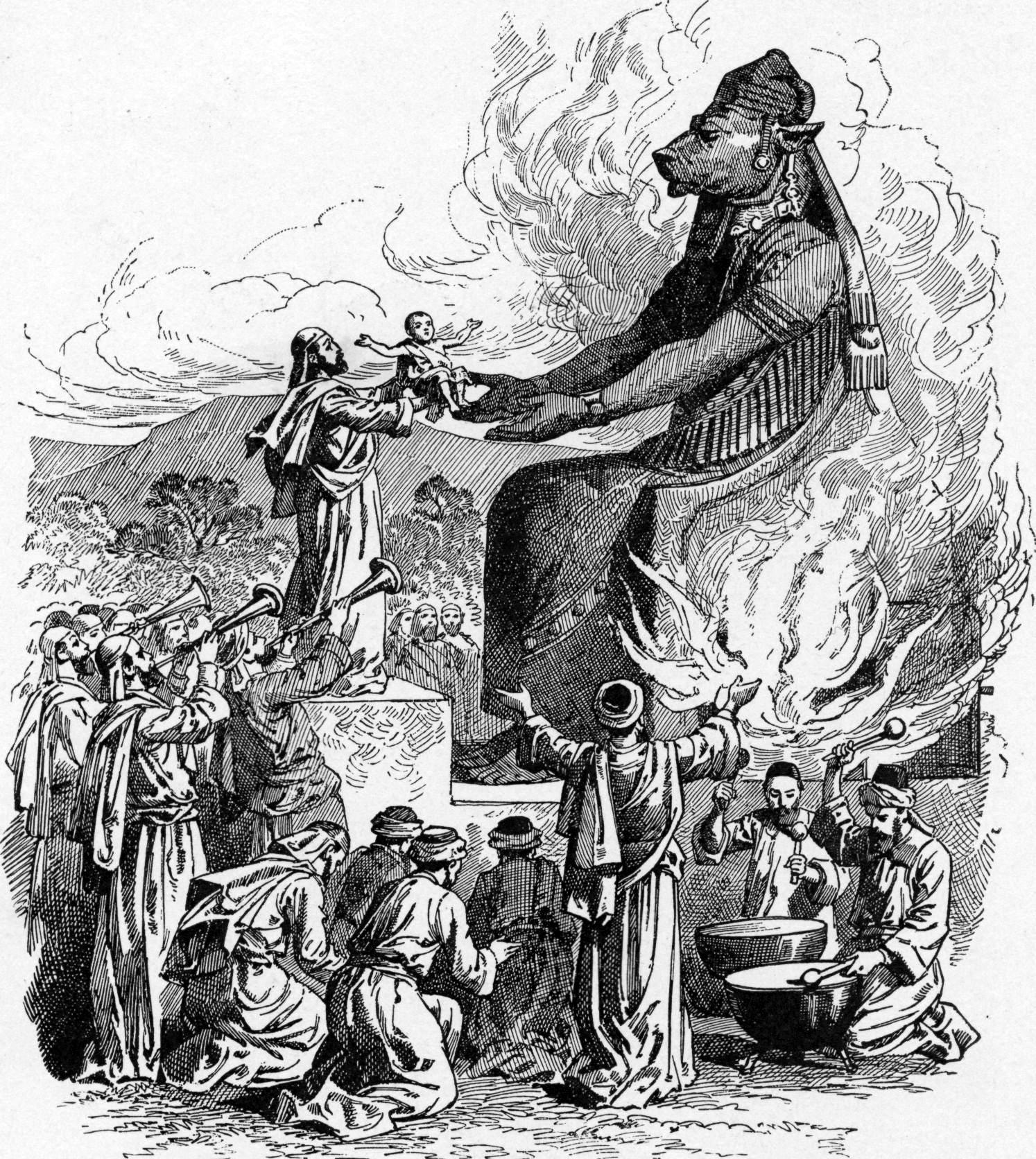
Moloch
thumb|Offering to Molech in Bible Pictures and What They Teach Us, by Charles Foster, 1897. The drawing is typical of Moloch depictions in nineteenth-century illustrations.
Moloch, Molech, or Molek is a word which appears in the Hebrew Bible several times, primarily in the Book of Leviticus. The Greek Septuagint translates many of these instances as "their king", but maintains the word or name Moloch in others, including one additional time in the Book of Amos where the Hebrew text does not attest the name. The Bible strongly condemns practices that are associated with Moloch, which are heavil

El
Northwest Semitic word for "god"
Temple of Bel
ruins of a temple to Bel located in Palmyra, Syria

Hadad
Hadad (), Haddad, Adad (Akkadian: DIM, pronounced as Adād), or Iškur (Sumerian) was the storm- and rain-god in the Canaanite and ancient Mesopotamian religions.
He was attested in Ebla as "Hadda" in c. 2500 BCE.
Belus
son of Poseidon in Greek mythology

Belphegor
thumb|Depiction of the demon Belphégor, from J.A.S. Collin de Plancy, Dictionnaire Infernal, 1863
Belphegor (or Baal Peor, ) is, in Christianity, a demon associated with one of the seven deadly sins. According to religious tradition, he helps people make discoveries. He seduces people by proposing incredible inventions that will make them rich. According to some demonologists from the 17th century, his powers are strongest in April. Peter Binsfeld (ca. 1540–ca.1600), the auxiliary bishop of Trier and a witch hunter, wrote that Belphegor tempts through laziness. According to Binsfeld's Classifi

Baalshamin
thumb|right|300px|Aglibol, Baalshamin (center), and [[Malakbel (1st century; found near Palmyra, Syria)]]
Bel and the Dragon
chapter 14 of the Book of Daniel in the Septuagint

Melqart
Bel
Mesopotamian god
Baal-hamon
chief god in ancient Carthagian religion
Bael
Demon described in demonological grimoires

Malakbel
thumb|right|1st century AD relief from Palmyra depicting, from left to right, Aglibol, [[Baalshamin, and Malakbel]]
Malakbel (Palmyrene Aramaic 𐡬𐡫𐡪𐡡𐡫 ) was a sun god worshipped in the ancient Syrian city of Palmyra, frequently associated and worshipped with the moon god Aglibol as a party of a trinity involving the sky god Baalshamin.
Baal-berith
God(s) worshipped in ancient Canaan
Hazzi
mountain on the Syria–Turkey border
mythological bull
mythical creature
Elijah
oratorio by Felix Mendelssohn
Baal Cycle
Levantine mythological cycle of stories
Cape Three Forks
cape in northern Morocco
Ain Dara
archaeological site in Syria

Tophet
In the Hebrew Bible, Tophet or Topheth (; ; ) is a location in Jerusalem in the Valley of Hinnom (Gehenna), where worshipers engaged in a ritual involving "passing a child through the fire", most likely child sacrifice. Traditionally, the sacrifices have been ascribed to a god named Moloch. The Bible condemns and forbids these sacrifices, and the tophet is eventually destroyed by king Josiah, although mentions by the prophets Jeremiah, Ezekiel, and Isaiah suggest that the practices associated with the tophet may have persisted.
Psalm 106
piece in the biblical Book of Psalms
Jupiter Dolichenus
roman deity

Digital Devil Story: Megami Tensei II
1990 video game
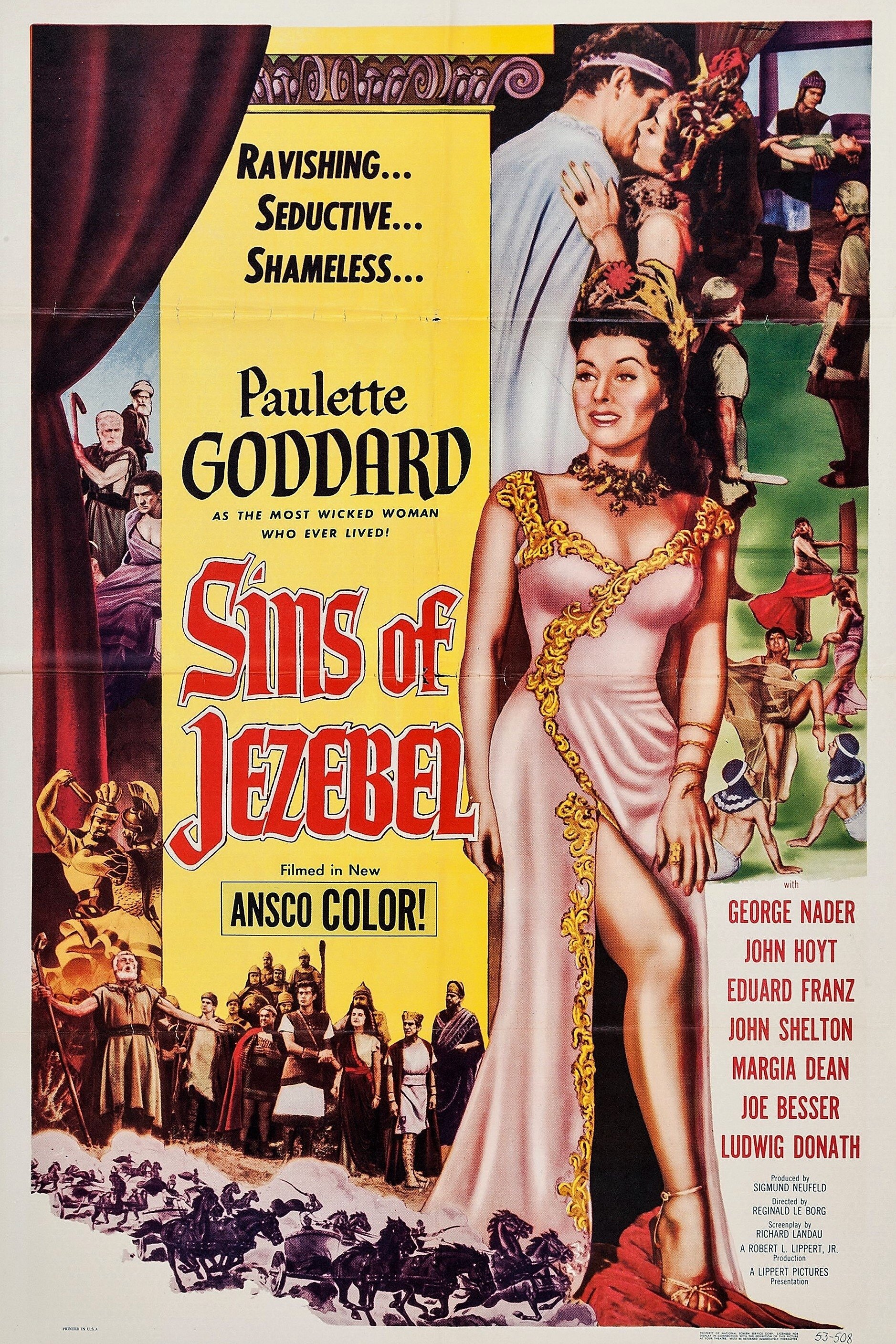
Sins of Jezebel
1953 film by Reginald Le Borg
Tophet of Carthage
cemetery in Tunisia
Tyrian shekel
coinage used in the Temple at Jerusalem

The Maracot Deep
novel by Arthur Conan Doyle
Baal-zephon
300px|thumb|Mount Ṣapōn
Belus
Babylonian god Bel Marduk - God of war
Adon
Adon () literally means "lord." Adon has an uncertain etymology, although it is generally believed to be derived from the Ugaritic ad, “father.”
1 Kings 17
1 Kings, chapter 17
Bull Site
open air ancient cult installation now in the West Bank

Belfagor arcidiavolo
novella by Niccolò Machiavelli written between 1518 and 1527