Category
page 6Bacteria genera
Clavibacter
Clavibacter is a genus of aerobic Gram-positive bacteria.
Sutterella
Sutterella is a genus of Gram-negative, rod-shaped, non-spore-forming, Betaproteobacteria whose species have been isolated from the human gastrointestinal tract as well as canine feces. This genus of the family Sutterellaceae currently encompasses 4 distinct species, though at least 5 additional species have been proposed that do not yet meet International Code of Nomenclature of Prokaryotes (ICNP) standards for classification. Sutterella are frequently referred to as commensal in the context of human hosts, but are associated with inflammation, which has implications for a number of diseases.
Bergeyella
Bergeyella is a rod-shaped, Gram-negative, aerobic, non-spore-forming and non-motile genus from the family of Weeksellaceae.
Azohydromonas
Azohydromonas is a genus of bacteria from the family of Alcaligenaceae.
Paeniglutamicibacter
Paeniglutamicibacter is a genus of bacteria from the family Micrococcaceae.
Thermoleophilum
Thermoleophilum is a genus of Actinomycetota.
Pseudobutyrivibrio
Pseudobutyrivibrio is a Gram-negative, anaerobic and non-spore-forming bacterial genus from the family of Lachnospiraceae.
Xenophilus
genus of Betaproteobacteria
Leeuwenhoekiella
Leeuwenhoekiella is a strictly aerobic bacterial genus from the family of Flavobacteriaceae.
Achromatium
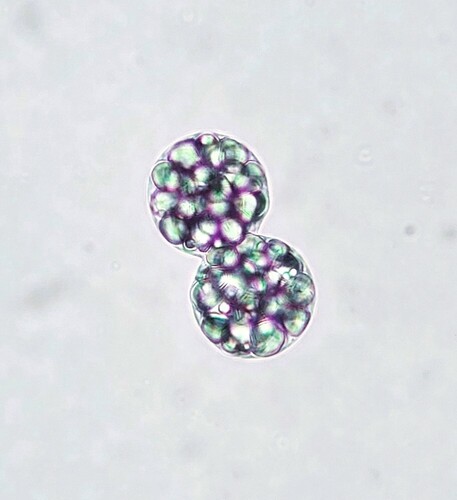
Achromatium is a genus in the phylum Pseudomonadota (Bacteria).
Sulfurospirillum
Sulfurospirillum (/ˌsʌlfɜːroʊspɪˈrɪlʌm/ SULF-ur-oh-spə-RIHL-um) is a genus of the gram-negative, aerotolerant, rod-shaped bacteria in the family Campylobactaeraceae.
Stappia
Stappia is a genus of bacteria in the order Hyphomicrobiales. Some members of the genus (now transferred to Labrenzia) oxidize carbon monoxide (CO) aerobically. Stappia indica is a diatom associated bacterium which is known to inhibit the growth of diatoms such as Thalassiosira pseudonana.
Yokenella
Yokenella is a genus of bacteria of the family Enterobacteriaceae. Yokenella are Gram-negative, motile, rod-shaped bacteria. Strains of bacteria forming this genus were originally isolated from clinical samples, from the boxelder bug, and from alligators.
Formosa
genus of bacteria
Bryocella
Bryocella (Bry.o.cell’a. Gr. neut. n.; "bryon" - peat L. fem. n.; "cella" - cell N.L. fem. n.; "Bryocella" - peat-associated cell) is a genus of Gram-negative, non-spore forming, aerobic, rod-shaped bacteria from the family Acidobacteriaceae within subdivision 1 of the phylum Acidobacteriota. The type species of the genus is Bryocella elongata.
Abiotrophia
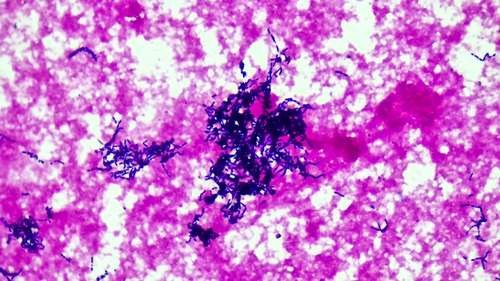
Abiotrophia is a genus of lactic acid bacteria, a family in the phylum Bacillota (Bacteria).
Desulfosporosinus
Desulfosporosinus is a genus of strictly anaerobic, sulfate-reducing bacteria, often found in soil.
Alicycliphilus
Alicycliphilus is a genus in the phylum Pseudomonadota (Bacteria).
Colwellia
Colwellia is a genus of deep-sea psychrophilic, piezophilic, and facultative anaerobic bacteria from the family Colwelliaceae. Colwellia can survive at subzero temperatures by producing cryoprotective polymeric substances.
Prosthecobacter
Prosthecobacter is a genus of bacteria from the phylum Verrucomicrobiota with a distinctive characteristic; the presence of tubulin-like genes.
Tubulins, which are components of the microtubule, have never been observed in Gracilicutes before.

Agromyces
Agromyces is a genus in the phylum Actinomycetota (Bacteria).
Coenonia
Coenonia is a genus of bacteria. Up to now there is only one species of this genus known: Coenonia anatina.
Allorhizobium
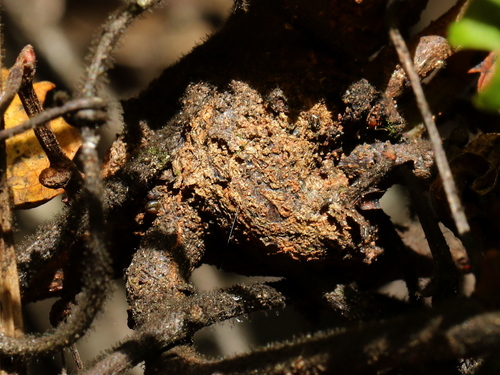
Allorhizobium is a genus of Gram-negative soil bacteria. Some species of Allorhizobium form an endosymbiotic nitrogen-fixing association with roots of legumes, while others are known to cause crown gall.
Muricauda
Muricauda is a genus in the phylum Bacteroidota.
Rhodoferax
Rhodoferax is a genus of Betaproteobacteria belonging to the purple nonsulfur bacteria. Originally, Rhodoferax species were included in the genus Rhodocyclus as the Rhodocyclus gelatinous-like group. The genus Rhodoferax was first proposed in 1991 to accommodate the taxonomic and phylogenetic discrepancies arising from its inclusion in the genus Rhodocyclus. Rhodoferax currently comprises four described species: R. fermentans, R. antarcticus, R. ferrireducens, and R. saidenbachensis. R. ferrireducens, lacks the typical phototrophic character common to two other Rhodoferax species. This differe
Dialister
Dialister is a genus of Bacillota bacteria classified within the class Negativicutes.
Tumebacillus
Tumebacillus is a genus of Gram-positive, rod-shaped, spore-forming bacteria. Members of the genus can be motile or non-motile, and form white or yellow colonies on R2A agar.
Limnohabitans
Limnohabitans is a genus of bacteria established by Hahn et al. (2010). The genus contains four species which all represent planktonic bacteria dwelling in the water column of freshwater lakes, reservoirs, and streams.
Tsukamurella
thumb | right | A Tsukamurella pseudospumae disk
Tsukamurella is a Gram-positive, non-spore-forming, rod-shaped and obligate aerobic bacterial genus from the family of Tsukamurellaceae. Most of the strains of Tsukamurella degrade starch. Some Tsukamurella species can cause infections in humans.
Glaciimonas
Glaciimonas is a genus of bacteria in the family Oxalobacteraceae. Its name comes from glaciers where it was first found and monad, a single cell. Glaciimonas = a cell from the glacier.
Rhizobacter
Rhizobacter is a bacterial genus from the class Gammaaproteobacteria order Pseudomonadales. It is a plant pathogenic bacterium and, like a few other phytopathogenic bacteria, produces tumors in infected plants. It appears to have an extremely wide host range, producing tumors (galls) on the roots, stems and tubers of at least 46 species of plants from 24 families, which includes many economically important species such as tomato (Solanum lycopersicum) and cabbage (Brassica oleracea). The type species, Rhizobacter dauci was first identified causing carrot bacterial gall in Japan and was describ
Catonella
Catonella is a Gram-negative, obligately anaerobic, non-spore-forming and non-motile bacterial genus from the family of Lachnospiraceae with one known species (Catonella morbi). Catonella morbi occur in the gingival crevice of humans.
Pedobacter
Pedobacter is a genus of Gram-negative soil-associated bacteria. Species including Pedobacter heparinus, formerly known as Flavobacterium heparinum, produce heparinase and are capable of using heparin as their sole carbon and nitrogen source.
Roseovarius
Roseovarius is a genus of bacteria in the family Roseobacteraceae.
Collinsella
Collinsella is a genus of Actinomycetota, in the family Coriobacteriaceae. Collinsella is named after the microbiologist Matthew D. Collins.
Dehalococcoides
Dehalococcoides is a genus of bacteria within class Dehalococcoidia that obtain energy via the oxidation of hydrogen and subsequent reductive dehalogenation of halogenated organic compounds in a mode of anaerobic respiration called organohalide respiration. They are well known for their great potential to remediate halogenated ethenes and aromatics. They are the only bacteria known to transform highly chlorinated dioxins, PCBs. In addition, they are the only known bacteria to transform tetrachloroethene (perchloroethene, PCE) to ethene.
Adlercreutzia
Adlercreutzia is a genus in the phylum Actinomycetota (Bacteria).
Acetivibrio
Acetivibrio is a genus of Clostridia bacteria.
Xanthobacter
Xanthobacter is a genus of Gram-negative bacteria from the family Xanthobacteraceae.
Octadecabacter
Octadecabacter is a genus of bacteria in the family Rhodobacteraceae.
Paraburkholderia
Paraburkholderia is a genus of Pseudomonadota that are gram negative, slightly curved rods that are motile by means of flagella. Paraburkholderia members are usually environmental bacteria, including some that can associate with plants or form root nodules, and unlike Burkholderia species are not commonly associated with human infection. Paraburkholderia members form a monophyletic clade within the Burkholderiaceae family, which is what prompted their distinction as a genus independent from Burkholderia species, in combination with the finding of robust conserved signature indels which are uni
Enhydrobacter
Enhydrobacter is a genus of bacteria which belongs to the class Alphaproteobacteria. So far, only one species is known (Enhydrobacter aerosaccus). Enhydrobacter has been discussed to be reclassified to the family Rhodospirillaceae and the class Alphaproteobacteria. Because of its oxidase positive it can not be placed in the family Enterobacteriaceae as it is not a parasite of birds or mammals.
Ancylobacter
Ancylobacter is a genus of aerobic bacteria in the family Xanthobacteraceae.
Salinicoccus
Salinococcus is a genus of Gram-positive cocci belonging to the family Staphylococcaceae.
Desulfitobacterium
Desulfitobacterium is a genus of Gram-positive, strictly anaerobic, rod-shaped, spore-forming bacteria from the family Desulfitobacteriaceae. Desulfitobacterium species have low GC-contents.
Macrococcus
Macrococcus, (from Ancient Greek μακρός (makrós), meaning "long", and (kókkos), meaning "kernel" or "Kermes") is a genus of Gram-positive cocci belonging to the family Staphylococcaceae. The genus was created in 1998.
Conexibacter
Conexibacter is a Gram-positive, non-spore-forming and aerobic genus of bacteria from the family Conexibacteraceae.
Limosilactobacillus
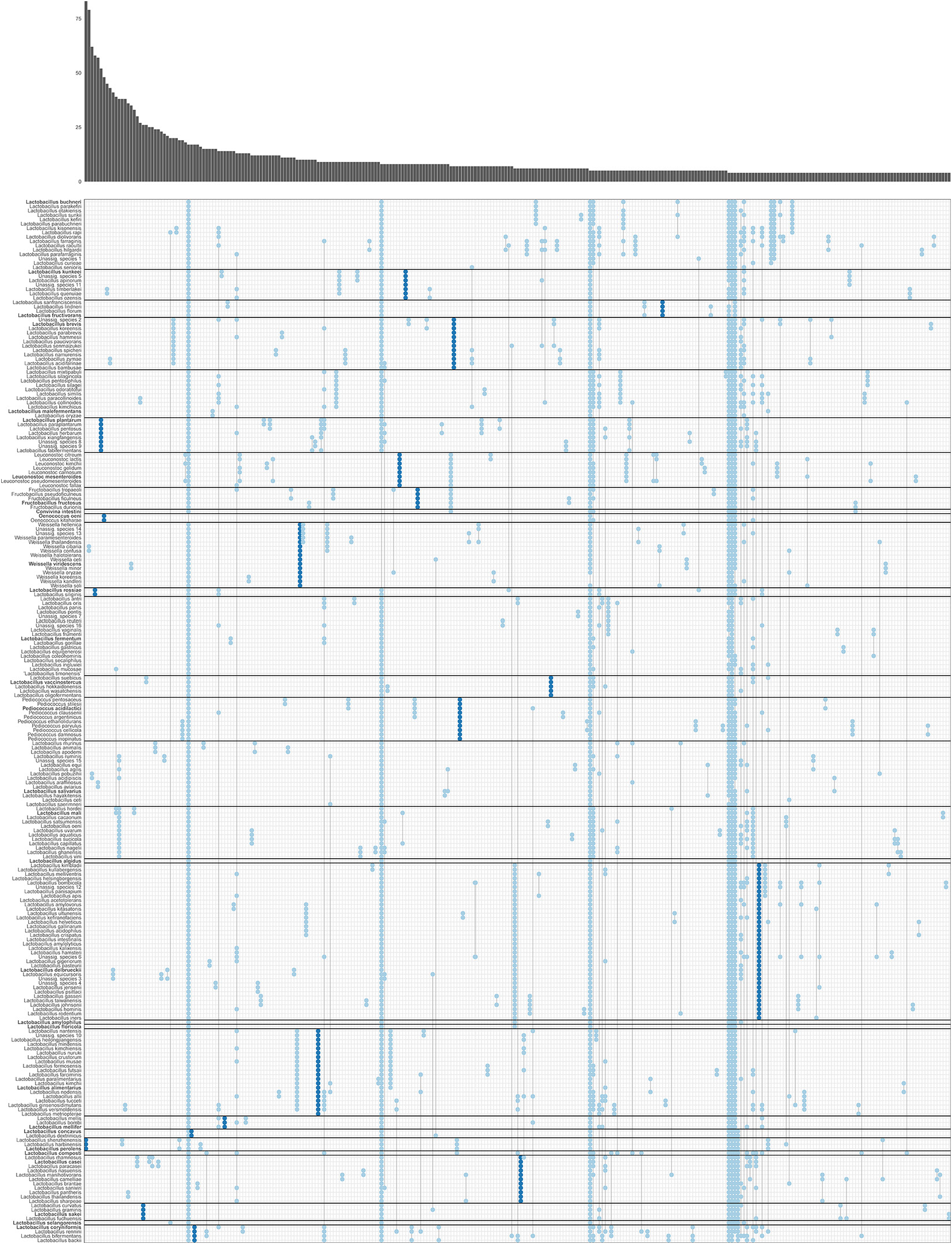
Limosilactobacillus is a thermophilic and heterofermentative genus of lactic acid bacteria created in 2020 by splitting from Lactobacillus. The name is derived from the Latin "slimy", referring to the property of most strains in the genus to produce exopolysaccharides from sucrose. The genus currently includes 31 species or subspecies, most of these were isolated from the intestinal tract of humans or animals. Limosilactobacillus reuteri has been used as a model organism to evaluate the host-adaptation of lactobacilli to the human and animal intestine and for the recruitment of intestinal lact
Noviherbaspirillum
Noviherbaspirillum is a genus of bacteria in the family Oxalobacteraceae.
Desulfonema
Desulfonema is a Gram-negative bacteria genus from the family Desulfococcaceae.