Category
page 5Bacteria genera
Kingella
Kingella is a genus of bacteria of the family Neisseriaceae. It belongs to the HACEK group of fastidious Gram-negative bacteria that tend to cause endocarditis. Kingella kingae is its type species.
Jeotgalicoccus
Jeotgalicoccus is a genus of Gram-positive, facultatively anaerobic, and halotolerant to halophilic bacteria. The cells are coccoid. The genus is named after the Korean fish sauce jeotgal, whence these bacteria were first isolated.
Brevundimonas
Brevundimonas is a genus of bacteria. They are Gram-negative, non-fermenting, aerobic bacilli. Brevundimonas species are ubiquitous in the environment but are rarely isolated from clinical samples, although numbers are increasing. Two species of Brevundimonas originally classified under the genus Pseudomonas have been re-classified by Seger et al. as Brevundimonas vesicularis and Brevundimonas diminuta.
Aquimarina
Aquimarina is a strictly aerobic and halophilic bacterial genus from the family of Flavobacteriaceae. Aquimarina can cause diseases in marine eukaryotes.
Tetragenococcus
Tetragenococcus is a gram-positive, facultatively aerobic, moderately halophilic and nonmotile bacterial genus from the family Enterococcaceae.
Hyphomicrobium
Hyphomicrobium is a genus of Gram-negative, non-spore-forming, rod-shaped bacteria from the family of Hyphomicrobiaceae. It has a large polar or sub-polar filiform prostheca very similar to that of Caulobacter. In addition to having a nutritional function, the prostheca also plays a role in the initiation of DNA replication.
Oligella
genus of bacteria
Cristispira
Cristispira is a genus of bacteria of the spirochaete phylum. They are known as large spirochetes. They are characterized by the host species in which they reside. They are known as harmless parasites of freshwater and marine molluscs and gastropods. They have an unusually large number of periplasmic flagella.
Komagataeibacter
Komagataeibacter is a genus of bacteria in the family Acetobacteraceae. It was described in 2012 by Yamada et al. The type species is Komagataeibacter xylinus.
Samsonia
Samsonia is a genus of Gram-negative bacteria in the family Yersiniaceae. Species within this genus were originally found in the bark of diseased Erythrina trees. Among bacterial plant pathogens within the Enterobacterales, Samsonia species may be most closely related to Pectobacterium species. Until now, only one species of this genus has been described (S. erythrinae).
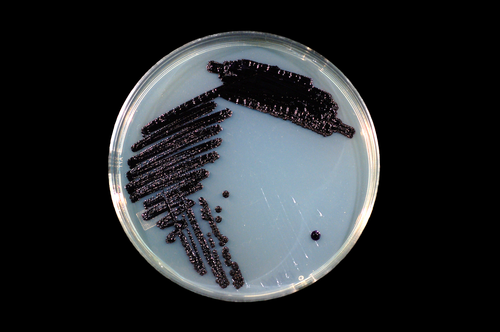
Janthinobacterium
Janthinobacterium is a genus of Gram-negative soil bacteria. The name is from Latin janthinus, which means "violet" or "violet-blue". It produces distinct purple-violet pigments among which are jagaricin and violacein, manifests diverse energy metabolism abilities, and tolerates cold, ultraviolet radiation, and other environmental stressors.
Aggregatibacter
Aggregatibacter is a genus in the phylum Pseudomonadota (Bacteria), which contains three species, namely:
A. actinomycetemcomitans (Klinger 1912) Nørskov-Lauritsen and Kilian 2006, (type species of the genus); (from Greek noun (ἀκτίς, ἀκτῖνος), a beam; Greek mukēs -ētos, mushroom or other fungus; Neo-Latin actinomyces -etis, an actinomycete; Latin comitans, accompanying; Neo-Latin actinomycetemcomitans, accompanying an actinomycete)
A. aphrophilus (Khairat 1940) Nørskov-Lauritsen and Kilian 2006, (from Ancient Greek , foam; New Latin from Greek (φίλος) meaning friend, loving; New Latin aphro
Finegoldia
Finegoldia is a genus of Gram-positive bacteria. They are anaerobic cocci of the class Clostridia, with Finegoldia magna being the type species. F. magna was formerly known, along with several other Gram-positive anaerobic cocci (GPACs), as Peptostreptococcus magnus, but was moved into its own genus in 1999. The name is in honor of Sydney M. Finegold, an American microbiologist, while magna is Latin for large. It is an opportunistic human pathogen that normally colonizes skin and mucous membranes. It is often seen in biofilms on chronic ulcers such as in diabetic foot or decubitus ulcers. Most
Acetitomaculum
Paralcaligenes
Paralcaligenes is a genus of bacteria from the family of Alcaligenaceae.
Hymenobacter
Hymenobacter is a Gram-negative and non-motile bacterial genus from the family Hymenobacteraceae.
Caldimonas
Caldimonas is a genus of bacteria from the family of Comamonadaceae.
Marinomonas
Marinomonas is an aerobic bacteria genus from the family of Oceanospirillaceae.
Beijerinckia
Beijerinckia is a genus of bacteria from the family Beijerinckiaceae.
Tenacibaculum
Tenacibaculum is a gram-negative and motile bacterial genus from the family of Flavobacteriaceae.
Pectinatus
Pectinatus is a genus of Bacillota bacteria classified within the class Negativicutes.
Blastochloris
Blastochloris is a genus of bacteria from the order Hyphomicrobiales.
Macromonas
Macromonas is a genus in the phylum Pseudomonadota (Bacteria).
Aeromicrobium
Aeromicrobium is a Gram-positive, aerobic, non-spore-forming and non-motile bacterial genus from the family Nocardioidaceae.
Runella
Runella is a Gram-negative, aerobic and non-motile bacterial genus from the family Spirosomataceae.
Sodalis
genus of bacteria
Thiomonas
Thiomonas is a genus of Gram-negative, non-spore-forming bacteria in the family Comamonadaceae.
Desulfonatronovibrio
Desulfonatronovibrio is a Gram-negative, vibrios, anaerobic and motile genus of bacteria from the family Desulfohalobiaceae with a single polar flagellum.
Pelobacter
Pelobacter (gr pelos : mud) is a bacterial genus in the order Desulfuromonadales. The cells are rod-shaped with rounded ends and occur in single, pairs or chains. They have a fermentative metabolism.
Actinobaculum
thumb | 220x124px | right | Actinobaculum shaalii
Polaromonas
Polaromonas is a genus of Gram-negative bacteria from the family Comamonadaceae. Polaromonas species are psychrophiles.
Butyrivibrio
Butyrivibrio is a genus of bacteria in Class Clostridia. Bacteria of this genus are common in the gastrointestinal systems of many animals. Genus Butyrivibrio was first described by Bryant and Small (1956) as anaerobic, butyric acid-producing, curved rods (or vibroids). Butyrivibrio cells are small, typically 0.4 – 0.6 μm by 2 – 5 μm. They are motile, using a single polar or subpolar monotrichous flagellum. They are commonly found singly or in short chains but it is not unusual for them to form long chains. Despite historically being described as Gram-negative, their cell walls contain de
Edaphobacter
Edaphobacter is a genus of Gram-negative, rod shaped bacteria. It contains seven species:
Anoxybacillus
Anoxybacillus is a genus of rod-shaped, spore-forming bacteria from the family of Bacillaceae. Anoxybacillus occur in geothermal springs, manure and milk processing plants.
Alishewanella
Alishewanella is a genus in the phylum Pseudomonadota (bacteria).
Cellulophaga
Cellulophaga is a Gram-negative, strictly aerobic and rod-shaped bacterial genus from the family of Flavobacteriaceae which occur in marine alga and beach mud. Cellulophaga species produce zeaxanthin.
Delftia
thumb | right
Delftia is a genus of Gram-negative bacteria that was first isolated from soil in Delft, Netherlands. The species is named after both the city, and in honor of pioneering research in the field of bacteriology that occurred in Delft. Cells in the genus Delftia are rod shaped and straight or slightly curved. Cells occur singly or in pairs, are 0.4–0.8ɥM wide and 2.5–4.1 μm long. Delftia species are motile by flagella, nonsporulating, and chemo-organotrophic.
Kitasatospora
Kitasatospora is an Actinobacteria genus in the family Streptomycetaceae. The genus name comes from Shibasaburo Kitasato, a Japanese bacteriologist.
Sulfitobacter
Sulfitobacter is a genus of bacteria in the family the Rhodobacteraceae.
Actinoplanes
Actinoplanes is a genus in the family Micromonosporaceae. They have aerial mycelia and spherical, motile spores. Actinoplanes species produce the pharmaceutically important compounds valienamine (a precursor to the antidiabetic drug acarbose and to the antibiotic validamycin), teicoplanin, and ramoplanin.
Actinomadura
Actinomadura is one of four genera of Actinomycetota that belong to the family Thermomonosporaceae. It contains aerobic, Gram-positive, non-acid-fast, non-motile, chemo-organotrophic actinomycetes that produce well-developed, non-fragmenting vegetative mycelia and aerial hyphae that differentiate into surface-ornamented spore chains. These chains are of various lengths and can be straight, hooked or spiral. The genus currently comprises over 70 species with validly published names with standing in nomenclature, although the species status of some strains remains uncertain, and further comparat
Asaia
Asaia is a genus of Gram-negative, aerobic and rod-shaped bacteria from the family Acetobacteraceae which occur in tropical plants.
Asaia might be able to control malaria by massively colonizing the midgut and the male reproductive system of the mosquito Anopheles stephensi.
Sneathiella
Sneathiella is a halotolerant, aerobic and chemoheterotrophic genus of bacteria from the family of Sneathiellaceae.
Actibacter
Actibacter is a genus in the phylum Bacteroidota (Bacteria). The genus contains a single species, namely A. sediminis.
Azorhizobium
Azorhizobium is a genus of Gram-negative soil bacteria. They fix nitrogen in symbiosis with plants in the genus Sesbania. Strain ORS571 of A. caulinodans has been fully sequenced.
Psychroflexus
Psychroflexus is a psychrophilic bacteria genus from the family of Flavobacteriaceae.
Ottowia
Ottowia is a genus of bacteria from the family of Comamonadaceae.
Aequorivita
Aequorivita is a Gram-negative and strictly aerobic bacterial genus from the family of Flavobacteriaceae.
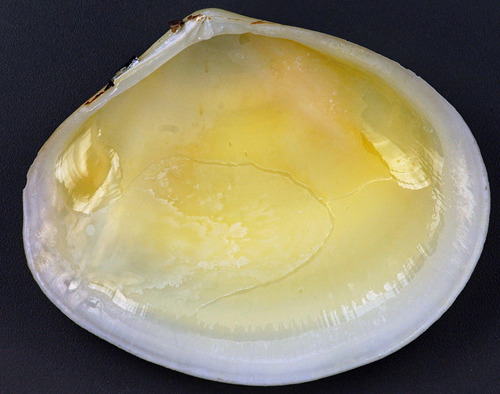
Johnsonella
Johnsonella is a Gram-negative, non-spore-forming and non-motil bacterial genus from the family of Lachnospiraceae with one known species (Johnsonella ignava). Johnsonella ignava occur in the gingival crevice of humans.
Flexibacter
Flexibacter is a genus of bacteria consisting of some seventeen strains (or species), known for their yellow hue.
Sneathia
Sneathia is a Gram-negative, rod-shaped, non-spore-forming and non-motile genus of bacteria from the family of Leptotrichiaceae. Species have been identified as pathogens associated with bacterial vaginosis.
Candidimonas
Candidimonas is a genus of bacteria from the family of Alcaligenaceae.
Lysobacter
The genus Lysobacter belongs to the family Lysobacteraceae within the Gammaproteobacteria and includes at least 46 named species, including: Lysobacter enzymogenes, L. antibioticus, L. gummosus, L. brunescens, L. defluvii, L. niabensis, L. niastensis, L. daejeonensis, L. yangpyeongensis, L. koreensis, L. concretionis, L. spongiicola, and L. capsici. Lysobacter spp. were originally grouped with myxobacteria because they shared the distinctive trait of gliding motility, but they uniquely display a number of traits that distinguish them from other taxonomically and ecologically related microbes i
Pelistega
Pelistega is a genus of Gram-negative, aerobic bacteria in the family Alcaligenaceae. It was first described in 1998 with the type species Pelistega europaea, isolated from pigeons.
Oxobacter
Oxobacter is a genus of Gram-positive obligately anaerobic rod-shaped acetogenic bacteria. The sole species in the genus is Oxobacter pfennigii, formerly known as Clostridium pfennigii. This endospore-forming microorganism catabolizes pyruvate to acetate and CO2, while sugars and amino acids are not utilized as energy sources.
Brachymonas
genus of bacteria
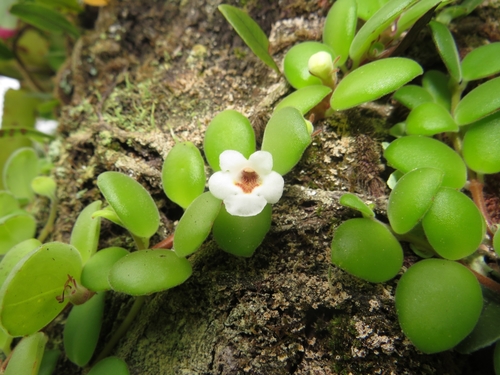
Devosia
Devosia is a genus of Gram-negative soil bacteria. It is named after the Belgian microbiologist Paul De Vos. They are motile by flagella, the cells are rod-shaped.
Sagittula
Sagittula is a genus of bacteria in the family Rhodobacteraceae.
Hydrogenophaga
Hydrogenophaga is a genus of comamonad bacteria, several of which were formerly classified in the genus Pseudomonas.
Telluria
Telluria is a genus of Gram-negative soil bacteria.