Category
page 1Ballets by Marius Petipa
Swan Lake
ballet by Pyotr Ilyich Tchaikovsky
The Nutcracker
The Nutcracker, Op. 71, is an 1892 two-act classical ballet by Pyotr Ilyich Tchaikovsky, set on Christmas Eve at the foot of a Christmas tree in a child's imagination featuring a Nutcracker doll. The plot is an adaptation of Alexandre Dumas's 1844 short story The Tale of a Nutcracker, itself a retelling of E. T. A. Hoffmann's 1816 short story The Nutcracker and the Mouse King. The ballet's first choreographer was Marius Petipa, with whom Tchaikovsky had worked three years earlier on The Sleeping Beauty, assisted by Lev Ivanov. Although the complete and staged The Nutcracker ballet was not initially as successful as the 20-minute Nutcracker Suite that Tchaikovsky had premiered nine months earlier, it became popular in later years.
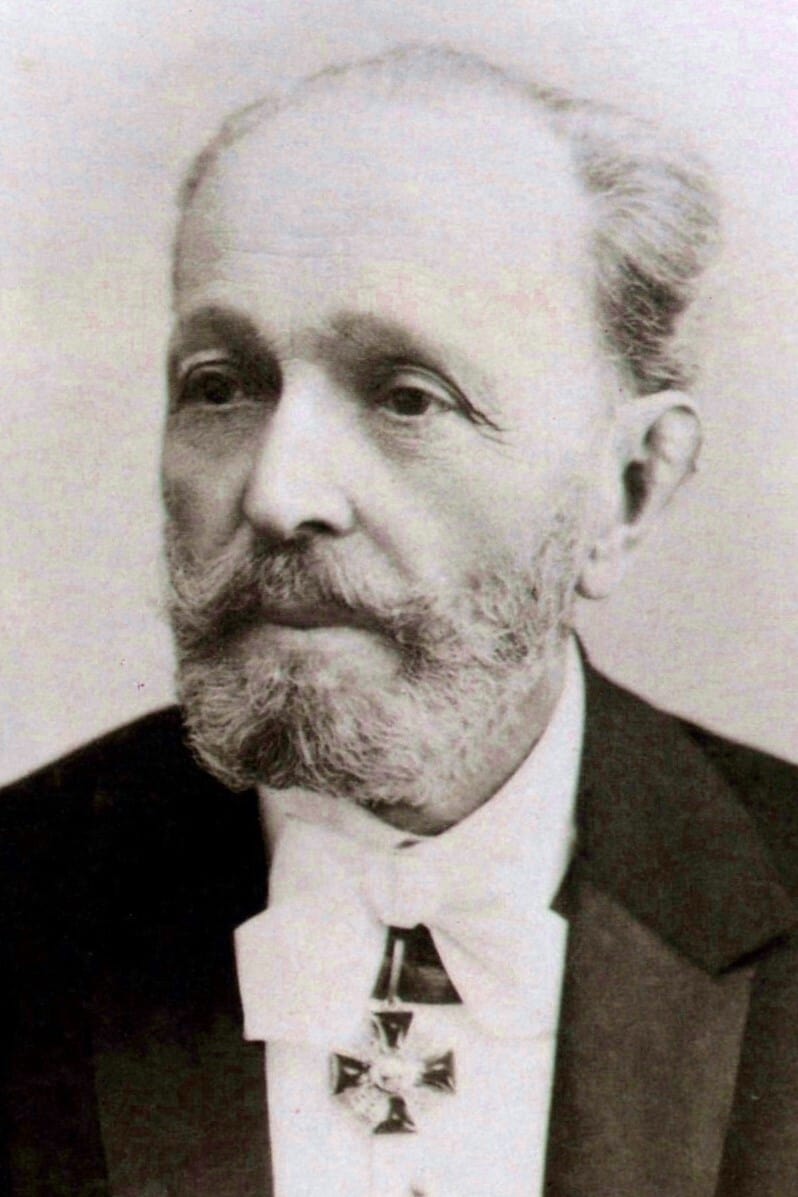
Marius Petipa
French-Russian ballet dancer and choreographer (1818–1910)

Giselle
Giselle ( , ), originally titled Giselle, ou les Wilis (; Giselle, or The Wilis), is a romantic ballet () in two acts with music by Adolphe Adam. Considered a masterwork in the classical ballet performance canon, it was first performed by the Ballet du Théâtre de l'Académie Royale de Musique at the Salle Le Peletier in Paris on 28 June 1841, with Italian ballerina Carlotta Grisi as Giselle. It became hugely popular and was subsequently staged across Europe, Russia, and the United States.
The Sleeping Beauty
ballet composed by Tchaikovsky

Coppélia
Coppélia (sometimes subtitled: '''''La Fille aux Yeux d'Émail''''' (The Girl with the Enamel Eyes)) is a comic ballet from 1870 originally choreographed by Arthur Saint-Léon to the music of Léo Delibes, with libretto by Charles-Louis-Étienne Nuitter. Nuitter's libretto and mise-en-scène was based upon E. T. A. Hoffmann's short story Der Sandmann (The Sandman). In Greek, κοπέλα (or κοπελιά in some dialects) means young woman. Coppélia premiered on 25 May 1870 at the Théâtre Impérial de l'Opéra, with the 16-year-old Giuseppina Bozzacchi in the principal role of Swanhilda and ballerina Eugénie Fi
La Bayadère
ballet
Don Quixote
ballet by Petipa to music of Ludwig Minkus
La fille mal gardée
ballet
Le Corsaire
ballet con música de

Raymonda
Raymonda () is a grand ballet in three acts, four scenes with an apotheosis, originally choreographed by Marius Petipa to the music of Alexander Glazunov (his opus 57) and libretto by Lydia Pashkova. Raymonda was created especially for the benefit performance of the prima ballerina Pierina Legnani, and first presented by the Imperial Ballet at the Imperial Mariinsky Theatre on in Saint Petersburg, Russia. Among the ballet's most celebrated passages is the Pas classique hongrois (a.k.a. Raymonda Pas de dix) from the third act, which is often performed independently.
La Esmeralda
ballet by Cesare Pugni and Jules Perrot
Paquita
Paquita is a ballet in two acts and three scenes originally choreographed by Joseph Mazilier to music by Édouard Deldevez and Ludwig Minkus. Paul Foucher received royalties as librettist.
Le papillon
ballet
The Talisman
ballet
La Vivandière or Markitenka
ballet
The Pharaoh's Daughter
ballet
Le Réveil de Flore
Ballet

Le Roi Candaule
1868 ballet by Marius Petipa to Cesare Pugni music
Les Millions d'Arlequin
ballet by Marius Petipa

The Seasons
ballet by the choreographer Marius Petipa, with music by Alexander Glazunov
Template:Ballets of Marius Petipa
Wikimedia template
The Whims of the Butterfly
ballet
Le diable à quatre
French ballet in two acts and three scenes
La Perle
ballet