Category
page 1Bat-borne diseases

SARS-CoV-2
Severe acute respiratory syndrome coronavirus 2 (SARS‑CoV‑2) is a coronavirus that causes COVID-19, the respiratory illness responsible for the COVID-19 pandemic that began in late 2019. The virus previously had the provisional name 2019 novel coronavirus (2019-nCoV), and has also been called human coronavirus 2019 (HCoV-19 or hCoV-19). First identified in the city of Wuhan, Hubei, China, the World Health Organization designated the outbreak a public health emergency of international concern from January 30, 2020, to May 5, 2023. SARS‑CoV‑2 is a positive-sense single-stranded RNA virus that is
Nipah virus infection
disease caused by Nipah virus

SARS-CoV-1
Severe acute respiratory syndrome coronavirus 1 (SARS-CoV-1), previously known as severe acute respiratory syndrome coronavirus (SARS-CoV), is a coronavirus that causes severe acute respiratory syndrome (SARS), the respiratory illness responsible for the 2002–2004 SARS outbreak. It is an enveloped, positive-sense, single-stranded RNA virus that infects the epithelial cells within the lungs. The virus enters the host cell by binding to
angiotensin-converting enzyme 2. It infects humans, bats, and palm civets. The SARS-CoV-1 outbreak was largely brought under control by simple public health meas

Middle East respiratory syndrome coronavirus
species of virus

Ebolavirus
thumb|Phylogenetic tree comparing ebolaviruses and marburgviruses. Numbers indicate percent confidence of branches.

Lyssavirus
Lyssavirus (from the Greek lyssa "rage, fury, rabies" and the Latin vīrus) is a genus of RNA viruses in the family Rhabdoviridae, order Mononegavirales. Mammals, including humans, can serve as natural hosts. The genus Lyssavirus includes the causative agent (rabies virus) of rabies.
Marburgvirus
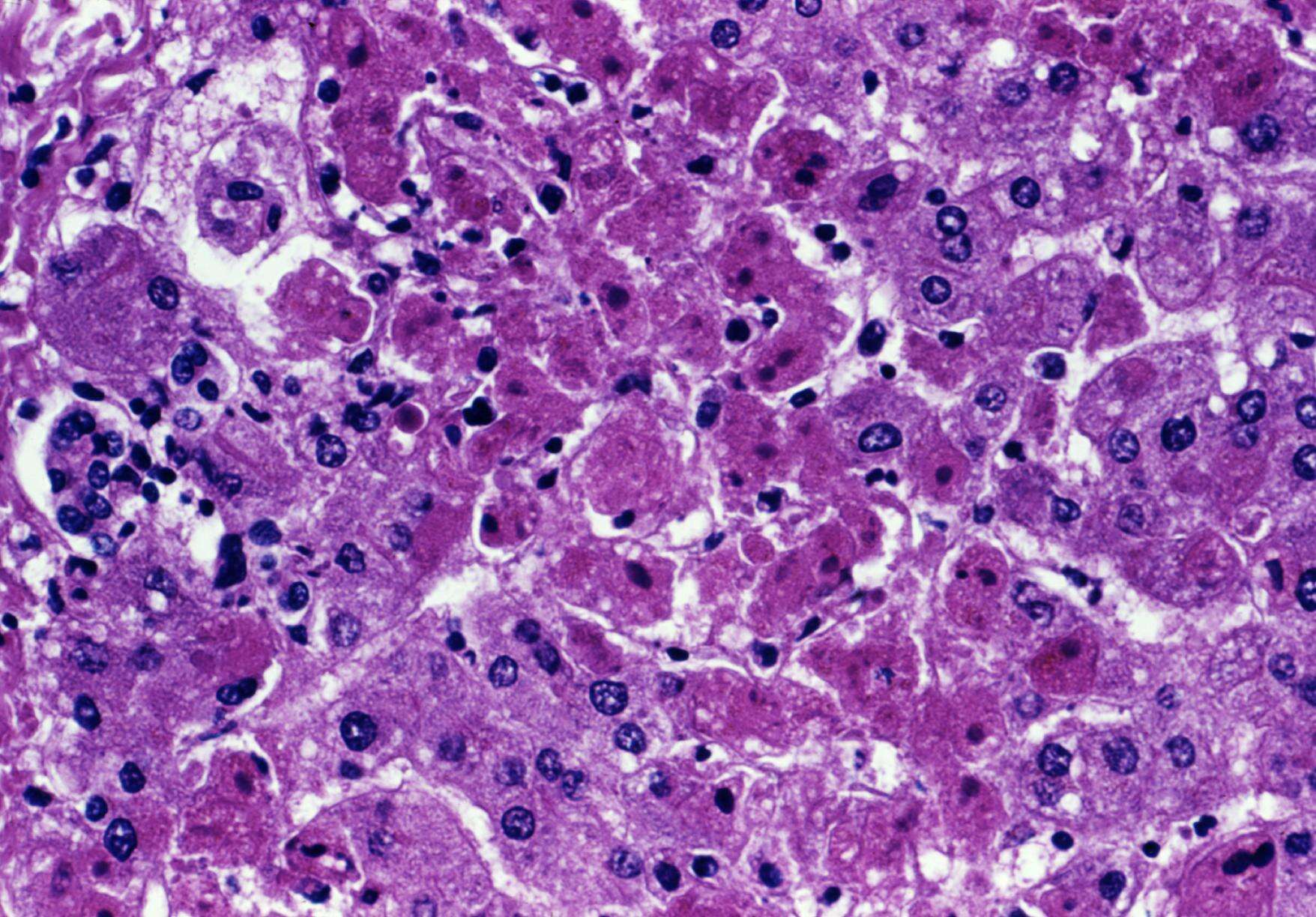
The genus Marburgvirus is the taxonomic home of Marburg marburgvirus, whose members are the two known marburgviruses, Marburg virus (MARV) and Ravn virus (RAVV). Both viruses cause Marburg virus disease in humans and nonhuman primates, a form of viral hemorrhagic fever. Both are select agents, World Health Organization Risk Group 4 Pathogens (requiring Biosafety Level 4-equivalent containment), National Institutes of Health/National Institute of Allergy and Infectious Diseases Category A Priority Pathogens, Centers for Disease Control and Prevention Category A Bioterrorism Agents, and are list