Category
page 1BBC Micro and Acorn Electron games

Tetris
Tetris () is a puzzle video game created by Alexey Pajitnov, a Soviet software engineer, in the mid-1980s. In Tetris, falling pieces consisting of four connected blocks, known as tetrominoes, must be sorted into a pile. Once a horizontal line of the playfield is filled with blocks, the line disappears, granting points and preventing the pile from reaching the top. This gameplay has been used in approximately 220 versions across at least 70 platforms. Newer versions frequently add game mechanics, some of which have become standard. , Tetris is the second-best-selling video game series, with ove
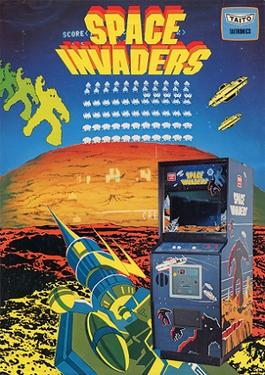
Space Invaders
1978 fixed shooter video game

Sokoban
is a puzzle video game created in 1981 by Hiroyuki Imabayashi. In Sokoban, the player pushes boxes in a warehouse to get them onto storage locations. The game is viewed from a top-down perspective. Boxes can only be pushed, never pulled, and only one box can be pushed at a time. The principal challenge is planning moves correctly to avoid causing a deadlock, a situation where a box or the player becomes permanently trapped, making the puzzle unsolvable.

Arkanoid
is a 1986 block breaker video game developed and published by Taito for Japanese arcades; in North America, it was published by Romstar. Controlling a paddle-like craft known as the Vaus, the player is tasked with clearing a formation of colorful blocks by deflecting a ball towards it without letting the ball leave the bottom edge of the playfield. Some blocks contain power-ups that have various effects, such as increasing the length of the Vaus, creating several additional balls, or equipping the Vaus with cannons. Other blocks may be indestructible or require multiple hits to break.

Frogger
is a 1981 action video game developed by Konami and published by Sega for arcades. It was released in North America by Sega/Gremlin. The object of the game is to direct five frogs to their homes by dodging traffic on a busy road, then crossing a river by jumping on floating logs, turtles, and alligators.
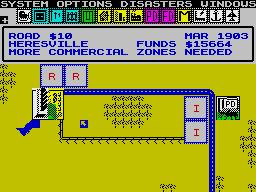
SimCity
1989 video game
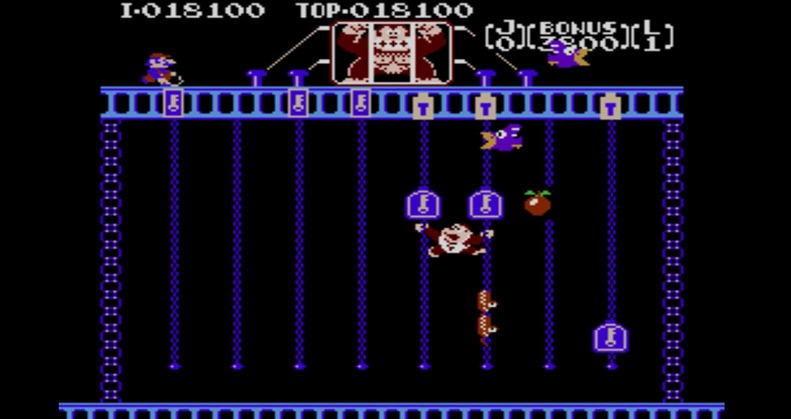
Donkey Kong Jr.
1982 arcade game
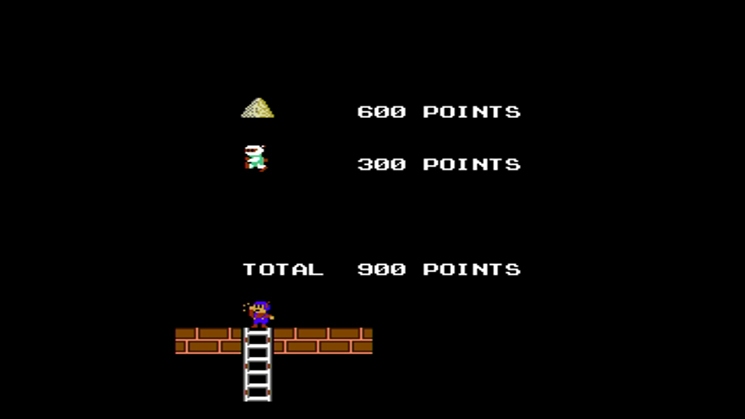
Lode Runner
1983 video game
Boulder Dash
1984 video game
Centipede
1981 video game
Yie Ar Kung-Fu
1985 video game
Paperboy
1985 arcade game
Rush'n Attack
1985 arcade game
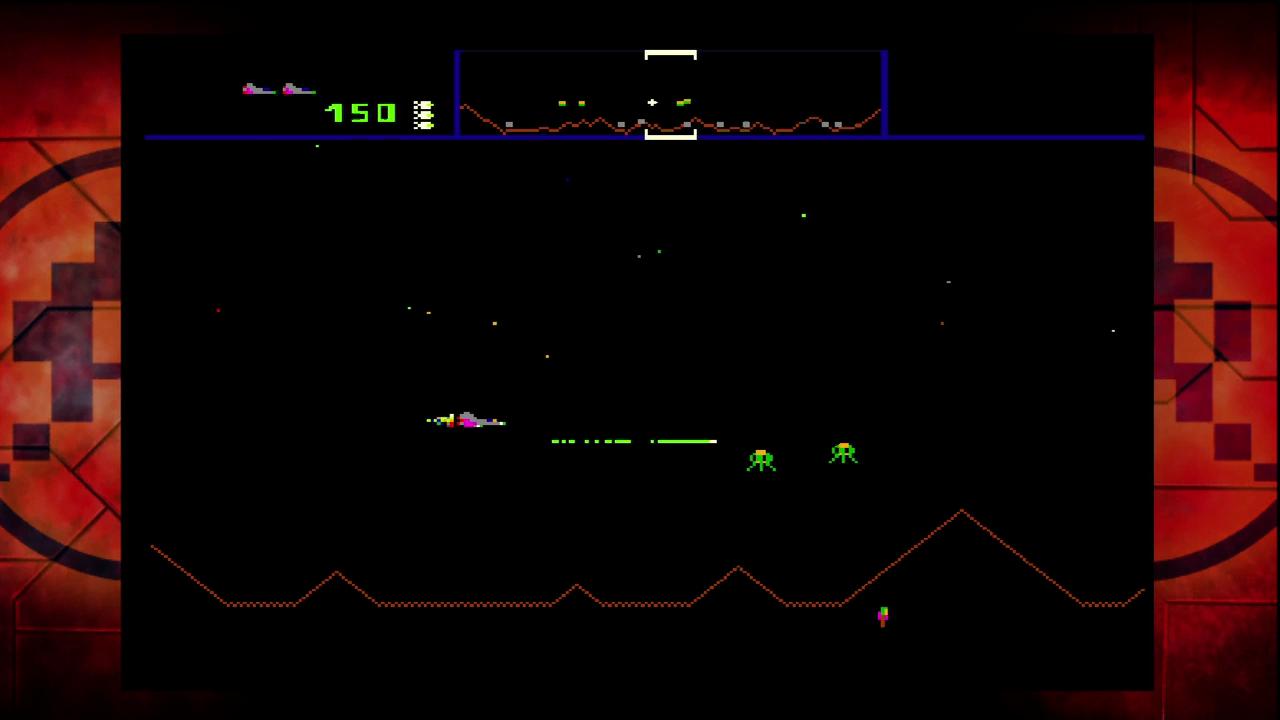
Defender
1981 video game
Commando
1985 video game
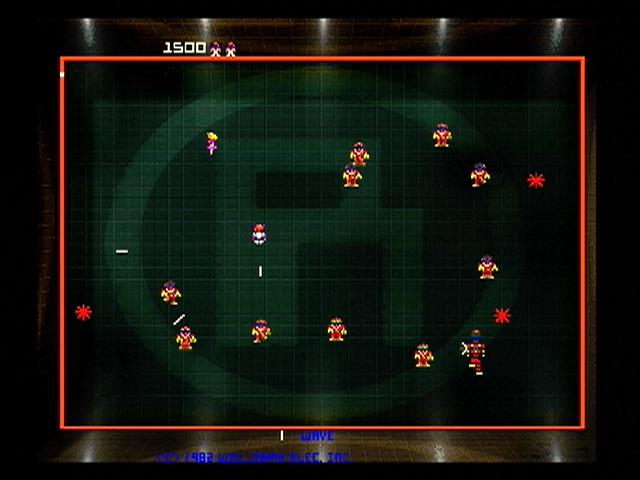
Robotron: 2084
1982 video game
Elite
1984 video game

Manic Miner
1983 video game
Pipe Mania
1989 video game

Jetpac
Jetpac is a shooter video game developed and published by Ultimate Play the Game and released for the ZX Spectrum and VIC-20 in 1983 and the BBC Micro in 1984. It is the first game to be released by Ultimate Play the Game, the company which later became Rare. The game follows Jetman as he must rebuild his rocket using a jet pack in order to explore different planets, while simultaneously defending against hostile aliens. It was written by Ultimate co-founder Chris Stamper with graphics designed by his brother, Tim Stamper. Reviewers praised Jetpacs presentation and gameplay, and it won "Game o

Star Wars
1983 video game
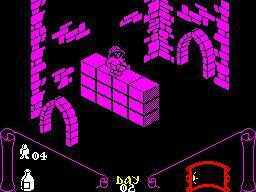
Knight Lore
1984 video game
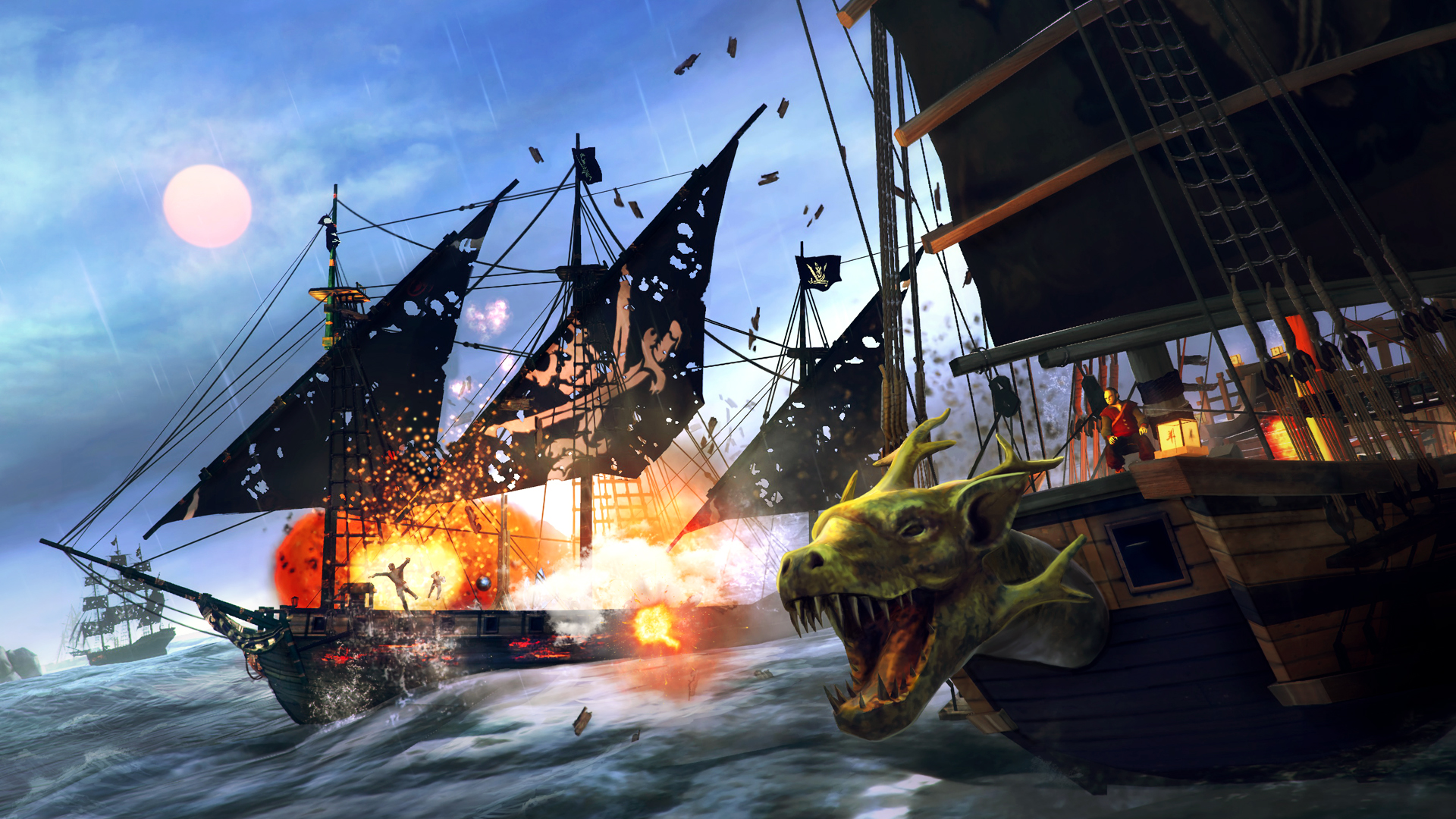
Tempest
Atari vector arcade game from 1981
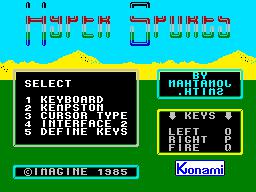
Hyper Sports
1984 video game
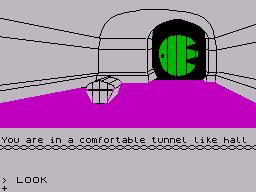
The Hobbit
1982 interactive fiction video game based on novel by J. R. R. Tolkien
Jet Set Willy
1984 video game
Spy vs. Spy
1984 video game
The Last Ninja
1987 action-adventure game
Klax
1989 video game

Sabre Wulf
1984 video game
.png)
Gorf
Gorf is a 1981 fixed shooter video game developed by Dave Nutting Associates and published by Midway Manufacturing for arcades. It features five distinct levels, the first of which is based on Space Invaders and another on Galaxian. The game makes use of synthesized speech for the Gorfian robot which taunts the player, powered by a speech chip. Gorf allows the player to buy two additional lives per quarter before starting the game, for a maximum of seven lives.

Spy Hunter
1983 arcade video game
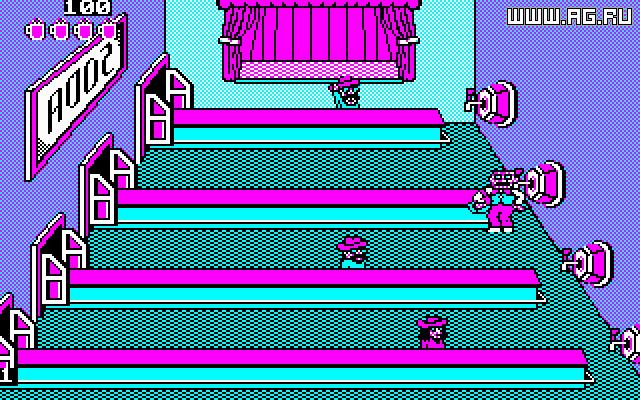
Tapper
1983 video game

Atic Atac
1983 video game
007: Licence to Kill
1989 video game
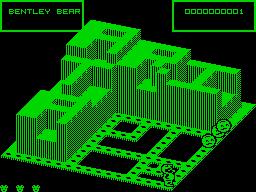
Crystal Castles
1983 video game
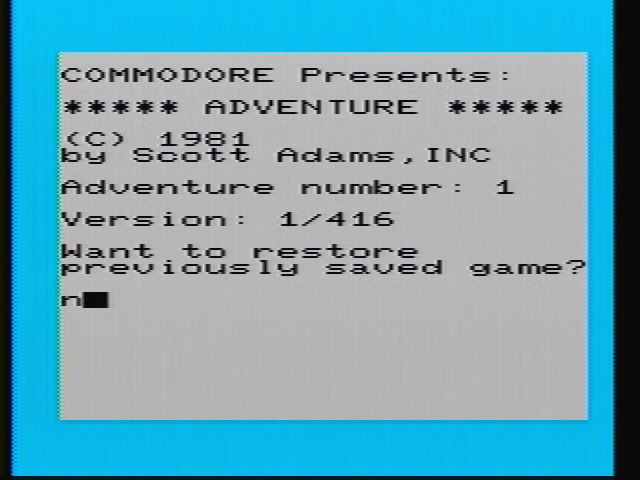
Adventureland
1978 video game
Yie Ar Kung-Fu II
1986 video game
Barbarian: The Ultimate Warrior
1987 video game
Bruce Lee
1984 video game
Impossible Mission
1984 video game
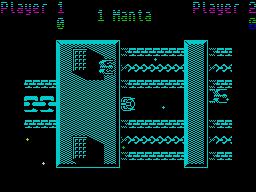
Uridium
Uridium (released for the NES as The Last Starfighter) is a horizontally scrolling shooter designed by Andrew Braybrook for the Commodore 64 and published by Hewson Consultants in 1986. The game consists of fifteen levels, each named after a metal element, with the last level being the fictional metallic element Uridium. The manual quotes Robert Orchard, who invented the name, as saying "I really thought it existed".
Moon Cresta
1980 video game
Beach Head
1985 video game

Loopz
Loopz is a puzzle video game designed and programmed by Ian Upton for the Atari ST in 1989. He previously worked as head game designer for Audiogenic, who acquired exclusive rights to the game, then in 1990 arranged for Mindscape to publish it for computers in North America and consoles worldwide.
The Sentinel
1986 video game

Ballistix
Ballistix is a sports video game created by Martin Edmondson for the Amiga and Atari ST and published by Psyclapse in 1989. It was also converted to a number of other home computers in the same year and the PC Engine/TurboGrafx-16 console in 1991. It is a fictional futuristic sport about directing a puck to a goal by shooting small balls at it.
Star Wars: Return of the Jedi
1984 arcade video game
Alien 8
1985 video game
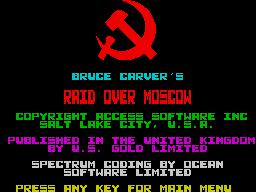
Raid over Moscow
1984 video game by Access Software
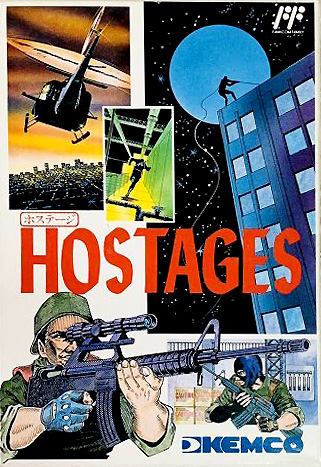
Hostages
1988 computer game
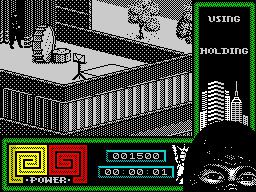
Last Ninja 2
1988 video game
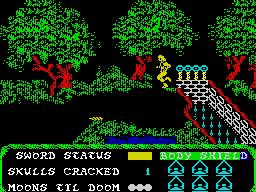
Masters of the Universe: The Arcade Game
1987 video game
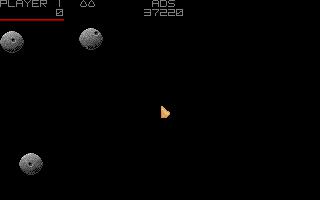
Asteroids Deluxe
1981 video game
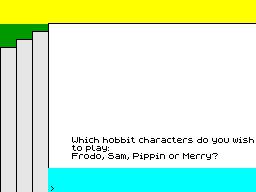
Lord of the Rings: Game One
1985 video game
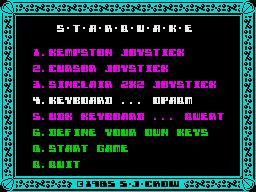
Starquake
1984 video game

Lunar Jetman
1983 video game
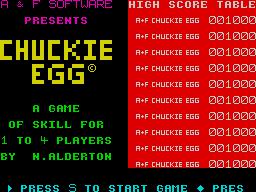
Chuckie Egg
1983 video game
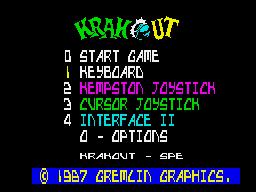
Krakout
Krakout is a Breakout clone that was released for the ZX Spectrum, Amstrad CPC, BBC Micro, Commodore 64, Thomson computers and MSX platforms in 1987. One of the wave of enhanced Breakout variants to emerge in the wake of Arkanoid, its key distinctions are that gameplay is horizontal in layout, and that it allows the player to select the acceleration characteristics of the bat before playing. It was written by Andy Green and Rob Toone and published by Gremlin Graphics. The music was composed by Ben Daglish.
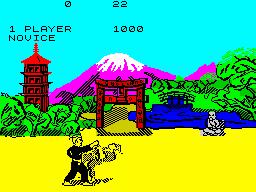
The Way of the Exploding Fist
1985 video game