Category
page 1Biochemical reactions

glycolytic process
thumb|400px|class=skin-invert-image|Summary of aerobic respirationGlycolysis is the metabolic pathway that converts glucose () into pyruvate and, in most organisms, occurs in the liquid part of cells (the cytosol). The free energy released in this process is used to form the high-energy molecules adenosine triphosphate (ATP) and reduced nicotinamide adenine dinucleotide (NADH). Glycolysis is a sequence of ten reactions catalyzed by enzymes.
thumb|375x375px|Summary of the 10 reactions of the glycolysis pathway
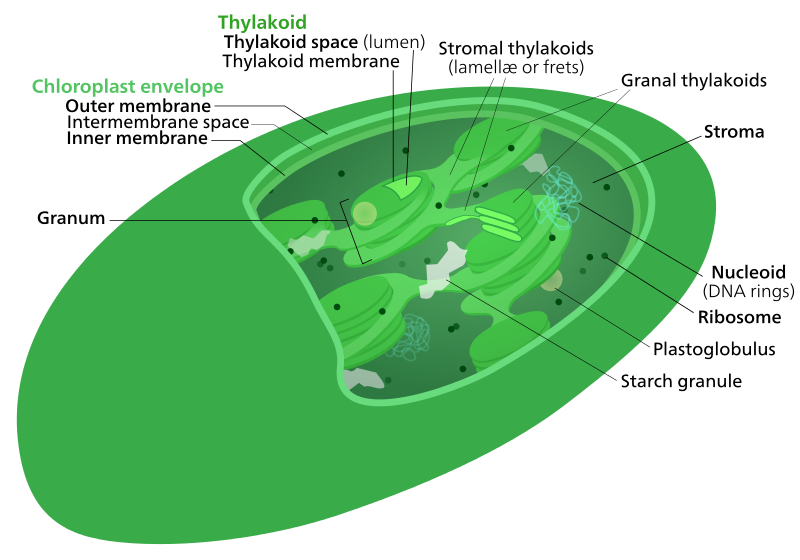
Calvin cycle
light-independent reactions in photosynthesis

gluconeogenesis
Gluconeogenesis (GNG) is a metabolic pathway that results in the biosynthesis of glucose from certain non-carbohydrate carbon substrates. It is a ubiquitous process, present in plants, animals, fungi, bacteria, and other microorganisms. In vertebrates, gluconeogenesis occurs mainly in the liver and, to a lesser extent, in the cortex of the kidneys. It is one of two primary mechanisms – the other being degradation of glycogen (glycogenolysis) – used by humans and many other animals to maintain blood sugar levels, avoiding low levels (hypoglycemia). In ruminants, because dietary carbohydrates te

biosynthesis
Biosynthesis is chemical synthesis occurring in biological contexts. It most often refers to multi-step, enzyme-catalyzed processes where chemical substances absorbed as nutrients (or previously converted through biosynthesis) serve as enzyme substrates, with conversion by the living organism either into simpler or more complex products. Examples of biosynthetic pathways include those for the production of amino acids, lipid membrane components, and nucleotides, but also for the production of all classes of biological macromolecules, and of acetyl-coenzyme A, adenosine triphosphate, nicotinami

denaturation
chemical process by which proteins lose their three-dimensional structure

renin–angiotensin system
hormone system that is involved in the regulation of the plasma sodium concentration and arterial blood pressure

urea cycle
cycle of biochemical reactions producing urea
protein folding
the process of assisting in the covalent and noncovalent assembly of single chain polypeptides or multisubunit complexes into the correct tertiary structure
precursor
compound that participates in a chemical reaction that produces another compound

glycogen catabolic process
class=skin-invert-image|thumb|Glycogen|346x346px
class=skin-invert-image|thumb|Glucose
class=skin-invert-image|thumb|Glucose-6-phosphate
Glycogenolysis is the breakdown of glycogen (n) to glucose-1-phosphate and glycogen (n-1). Glycogen branches are catabolized by the sequential removal of glucose monomers via phosphorolysis, by the enzyme glycogen phosphorylase.
Cori cycle
the metabolic pathway where lactic acid produced in the muscles is converted into glucose in the liver

nitrification
right|thumb|300px|Nitrogen cycle
denitrification
thumb|320px|Nitrogen cycle.
enzyme inhibitor
molecule that binds to an enzyme and decreases its activity
deamination
Deamination is the removal of an amino group from a molecule. Enzymes that catalyse this reaction are called deaminases.

chemiosmosis
Chemiosmosis is the movement of ions across a semipermeable membrane through an integral membrane protein, down their electrochemical gradient. An important example is the formation of adenosine triphosphate (ATP) by the movement of hydrogen ions (H+) through ATP synthase during cellular respiration or photophosphorylation.

Transamination
thumb|right|300px|Aminotransfer reaction between an amino acid and an alpha-keto acid

lipolysis
thumb|right|upright=1.8|This image illustrates the three separate steps of hydrolysis involved in lipolysis. In the first step, Triglyceride|triacylglycerol is hydrolyzed to make diacylglycerol and this is catalyzed by [[adipose triglyceride lipase (ATGL). In the second step, diacylglycerol is hydrolyzed to make monoacylglycerol and this is catalyzed by hormone-sensitive lipase (HSL). In the last step, monoacylglycerol is hydrolyzed to make glycerol and this is catalyzed by monoacylglycerol lipase (MGL). ]]
thumb|upright=1.8|Example of a triacylglycerol
Lipolysis is the metabolic pathway throu
glyoxylate cycle
modification of the TCA cycle occurring in some plants and microorganisms, in which isocitrate is cleaved to glyoxylate and succinate
homogentisic acid
chemical compound
fatty acid synthesis
creation of fatty acids from acetyl-CoA and NADPH through the action of enzymes called fatty acid synthases. This process takes place in the cytoplasm of the cell
lipid peroxidation
reaction(s) leading to production of (phospho)lipid peroxides
pyruvate decarboxylation
Conversion of pyruvate into acetyl-CoA
substrate-level phosphorylation
metabolic reaction that results in the formation of adenosine triphosphate
bioorthogonal chemistry
class of chemical reactions that can occur inside of living systems without interfering with native biochemical processes

anammox
thumb|220px|A bioreactor containing the anammox bacterium Kuenenia stuttgartiensis

alkaliphile
Alkaliphiles are a class of extremophilic microbes capable of survival in alkaline (pH roughly 8.5–11) environments, growing optimally around a pH of 10. These bacteria can be further categorized as obligate alkaliphiles (those that require high pH to survive), facultative alkaliphiles (those able to survive in high pH, but also grow under normal conditions) and haloalkaliphiles (those that require high salt content to survive).
activation
In chemistry and biology, activation is the process whereby something is prepared or excited for a subsequent reaction.
malate-aspartate shuttle
biochemical system for transporting electrons produced during glycolysis
reductive tricarboxylic acid cycle
pathway leading to the fixation of two molecules of CO2 and the production of one molecule of acetyl-CoA; essentially the oxidative TCA cycle running in reverse. Acetyl-CoA is reductively carboxylated to pyruvate, from which all other central metab
acetogenesis
Acetogenesis is a process through which acetyl-CoA or acetic acid is produced by anaerobic bacteria through the reduction of Carbon dioxide| via the Wood–Ljungdahl pathway. Other microbial processes that produce acetic acid (like certain types of fermentation or the oxidative breakdown of carbohydrates or ethanol by acetic acid bacteria) are not considered acetogenesis. The diverse bacterial species capable of acetogenesis are collectively called acetogens.
D-luciferin
chemical compound
anaplerotic reaction
chemical reaction
Entner-Doudoroff pathway
cellular carbohydrate catabolic process that converts a carbohydrate to pyruvate and either glyceraldehyde or glyceraldehyde-3 phosphate by dehydration and aldol cleavage via a gluconate or 6-phosphogluconate intermediate.
glycerophosphate shuttle
class of enzymes
Formose reaction
chemical reaction involving the formation of sugars from formaldehyde
Q cycle
series of reactions in cellular respiration
Crabtree effect
Biochemical reaction producing ethanol
pyrophosphatase
Pyrophosphatases, also known as diphosphatases, are acid anhydride hydrolases that act upon diphosphate bonds.
omega oxidation
Metabolic process in some animals
short-chain fatty acid biosynthetic process
Acidogenesis is the second stage in the four stages of anaerobic digestion:
Hydrolysis: A chemical reaction where particulates are solubilized and large polymers converted into simpler monomers;
Acidogenesis: A biological reaction where simple monomers are converted into volatile fatty acids;
Acetogenesis: A biological reaction where volatile fatty acids are converted into acetic acid, carbon dioxide, and hydrogen
Methanogenesis: A biological reaction where acetates are converted into methane and carbon dioxide, while hydrogen is consumed.
Anaerobic digestion is a complex biochemical proce
microbial corrosion
corrosion caused or promoted by microorganisms
carbon fixation by 3-hydroxypropionate cycle
autotrophic carbon dioxide fixation pathway by which two molecules of carbon dioxide are fixed to form glyoxylate. Acetyl coenzyme A (acetyl-CoA) is assumed to be converted to malate, and two CO2 molecules are thereby fixed. Malyl-CoA is thought t
ammonolysis
In chemistry, ammonolysis (/am·mo·nol·y·sis/) is the process of splitting ammonia into NH2- + H+. Ammonolysis reactions can be conducted with organic compounds to produce amines (molecules containing a nitrogen atom with a lone pair, :N), or with inorganic compounds to produce nitrides. This reaction is analogous to hydrolysis in which water molecules are split. Similar to water, liquid ammonia also undergoes auto-ionization, {2 NH3 ⇌ NH4+ + NH2- }, where the rate constant is k = 1.9 × 10−38.
bioconversion
Bioconversion, also known as biotransformation, is the conversion of organic materials, such as plant or animal waste, into usable products or energy sources by biological processes or agents, such as certain microorganisms. One example is the industrial production of cortisone, which one step is the bioconversion of progesterone to 11-alpha-Hydroxyprogesterone by Rhizopus nigricans. Another example is the bioconversion of glycerol to 1,3-propanediol, which is part of scientific research for many decades.
catabolite repression
a process in which the presence of one nutrient source leads to a decrease in the frequency, rate, or extent of processes involved in the metabolism of other nutrient sources
Stickland fermentation
it involves both oxidation and reduction in process
Luebering-Rapoport pathway
Chemical reaction making 2,3-BPG