Category
page 1Biological pest control
%20with%20its%20prey.jpg)
predation
thumb|upright=1.5|Solitary predator: a polar bear feeds on a [[bearded seal it has killed.]]
thumb|upright=1.5|Social predators: [[meat ants cooperate to feed on a cicada far larger than themselves.]]

Tanacetum vulgare
thumb|240px|Illustration of a tansy
Tansy (Tanacetum vulgare) is a perennial, herbaceous flowering plant in the genus Tanacetum in the aster family, native to temperate Europe and Asia. It has been introduced to other parts of the world, including North America, and in some areas has become invasive. It is also known as common tansy, bitter buttons, cow bitter, or golden buttons. The Latin word vulgare means "common".
biological pest control
method of controlling pests using other living organisms

parasitoid
thumb|upright=1.2|A parasitoid wasp (Trioxys complanatus, [[Aphidiinae) ovipositing into the body of a spotted alfalfa aphid (Therioaphis maculata, Calaphidinae), a behaviour that is used in biological pest control]]
biocide
A biocide is defined in the European legislation as a chemical substance or microorganism intended to destroy, deter, render harmless, or exert a controlling effect on any harmful organism. The US Environmental Protection Agency (EPA) uses a slightly different definition for biocides as "a diverse group of poisonous substances including preservatives, insecticides, disinfectants, and pesticides used for the control of organisms that are harmful to human or animal health or that cause damage to natural or manufactured products". When compared, the two definitions roughly imply the same, althoug

Cenchrus purpureus
species of plant
integrated pest management
approach for economic control of pests

polyculture
thumb|upright=1.35|Asimina triloba|Pawpaw trees growing under mulberry trees, a [[forest gardening style of polyculture]]
insect hotel
manmade structure created to provide shelter for insects
companion planting
agricultural technique

pyrethrin
thumb|:en:Skeletal structure|Chemical structure of some pyrethrins: pyrethrin I (R=CH3), pyrethrin II (R=CO2CH3)
biopesticide
A biopesticide is a biological substance or microorganism that is used to control pests. Invertebrates and macroorganisms used to control pests are usually categorised as biological pest control agents.

Tanacetum coccineum
species of plant

Pyrethrum
Pyrethrum was a genus of several Old World plants now classified in either Chrysanthemum or Tanacetum which are cultivated as ornamentals for their showy flower heads. Pyrethrum continues to be used as a common name for plants formerly included in the genus Pyrethrum. Pyrethrum is also the name of a natural insecticide made from the dried flower heads of Chrysanthemum cinerariifolium and Chrysanthemum coccineum. The insecticidal compounds present in these species are pyrethrins.
defence against herbivory
range of adaptations evolved by plants which improve their survival and reproduction by reducing the impact of herbivores; plant defensive strategies (defensive traits) to defend against damage caused by herbivores
orange oil
oil derived from the peel or other part of Citrus × sinensis fruit

Larinus
thumb|Larinus turbinatus
thumb|Larinus turbinatus
pheromone trap
type of insect trap that uses pheromones to lure insects
spinosad
Spinosad is an insecticide based on chemical compounds found in the bacterial species Saccharopolyspora spinosa. The genus Saccharopolyspora was discovered in 1985 in isolates from crushed sugarcane. The bacteria produce yellowish-pink aerial hyphae, with bead-like chains of spores enclosed in a characteristic hairy sheath. This genus is defined as aerobic, Gram-positive, nonacid-fast actinomycetes with fragmenting substrate mycelium. S. spinosa was isolated from soil collected inside a nonoperational sugar mill rum still in the Virgin Islands. Spinosad is a mixture of chemical compounds in th
Purpureocillium lilacinum
species of fungus
bioeffector
A bioeffector is a viable microorganism or active natural compound which directly or indirectly affects plant performance (biofertilizer), and thus has the potential to reduce fertilizer and pesticide use in crop production.

Bacillus amyloliquefaciens
species of bacterium
trap crop
plant that attracts agricultural pests away from nearby crops
shop cat
cat that inhabits a store to prevent rodent infestations
Dead hedge
artificial barrier constructed from foliage
Paecilomyces fumosoroseus
species of fungus
mating disruption
insect pest management technique
Operation Cat Drop
UK air drop of cats into Borneo to combat rats
larvicide
thumb|300px|Larvicide CULINEX Tab plus, Bacillus thuringiensis israelensis
A larvicide (alternatively larvacide) is an insecticide that is specifically targeted against the larval life stage of an insect. Their most common use is against mosquitoes. Larvicides may be contact poisons, stomach poisons, growth regulators, or (increasingly) biological control agents.
Ant-follower
type of bird
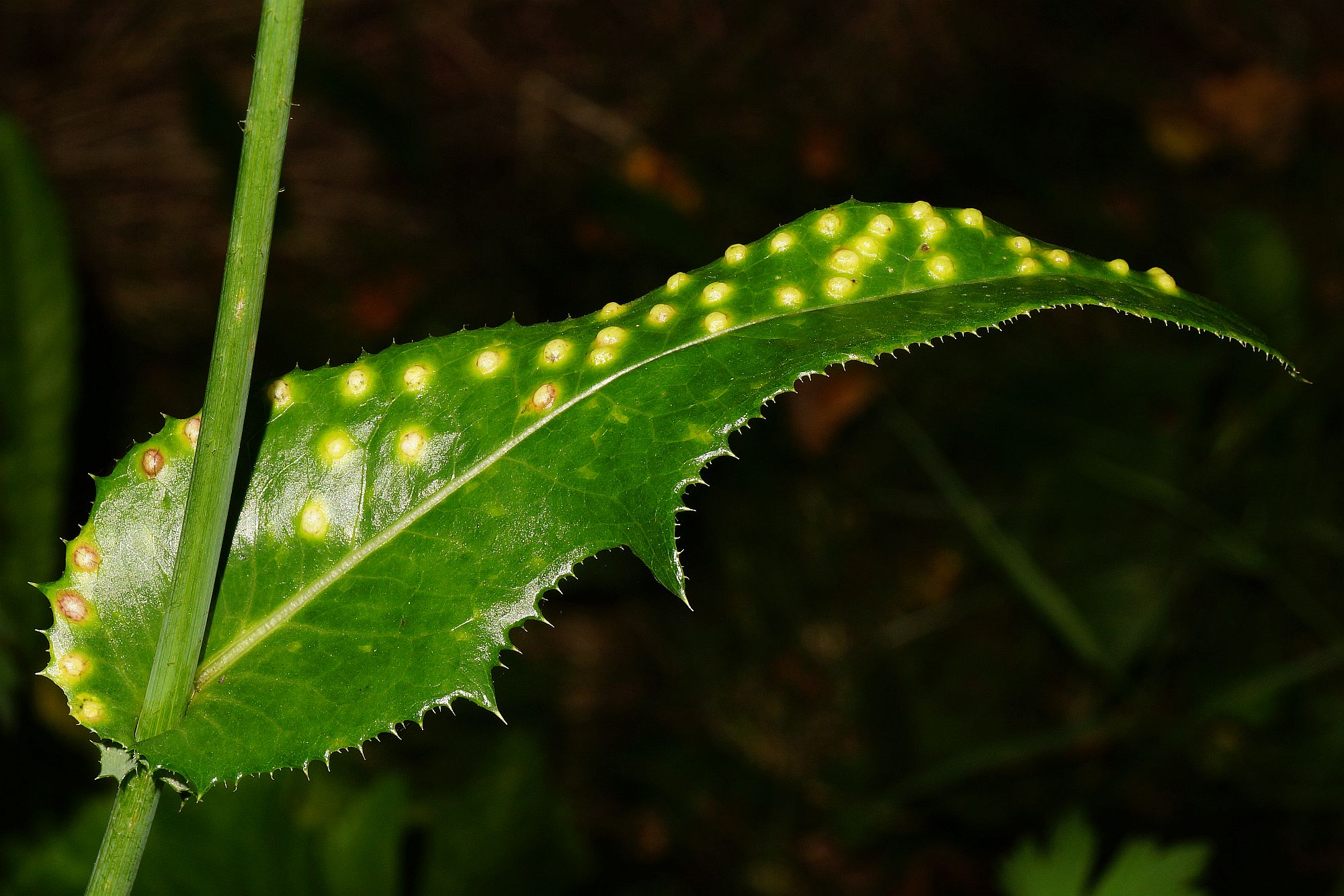
Cystiphora sonchi
species of insect
list of repellent plants
Wikimedia list article
Trophobiosis
thumb|Acropyga glaesaria and [[Electromyrmococcus abductus]]
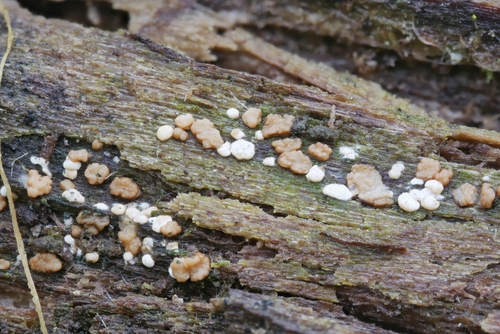
Trichoderma hamatum
species of fungus
Trichoderma asperellum
species of fungus
International Organization for Biological Control
biological pest control
push–pull technology
intercropping strategy for controlling agricultural pests
Trichoderma stromaticum
species of fungus
list of beneficial weeds
Wikimedia list article
Plant use of endophytic fungi in defense
Beneficial weed
invasive plant with positive effects