Category
page 1Biopesticides

chitin
thumb|250px|right|Structure of the chitin molecule, showing two of the N-Acetylglucosamine|N-acetylglucosamine units that repeat to form long chains in β-(1→4)-linkage.
thumb|250px|right|Haworth projection of the chitin molecule.
thumb|A close-up of the wing of a leafhopper; the wing is composed of chitin.
thumb|right|A cicada emerges from its nymphal exoskeleton; the shed exoskeleton is mostly modified chitin ([[sclerotin) but the wings and much of the adult body are still unsclerotized chitin at this stage]]

chitosan
Chitosan is a linear polysaccharide composed of randomly distributed β-(1→4)-linked D-glucosamine (deacetylated unit) and N-acetyl-D-glucosamine (acetylated unit). It is made by treating the chitin shells of shrimp and other crustaceans with an alkaline substance, such as sodium hydroxide.

Bacillus thuringiensis
species of bacterium

Baculovirus
Baculoviridae is a family of viruses. Arthropods, among the most studied being Lepidoptera, Hymenoptera and Diptera, serve as natural hosts. Currently, 85 species are placed in this family, assigned to four genera.
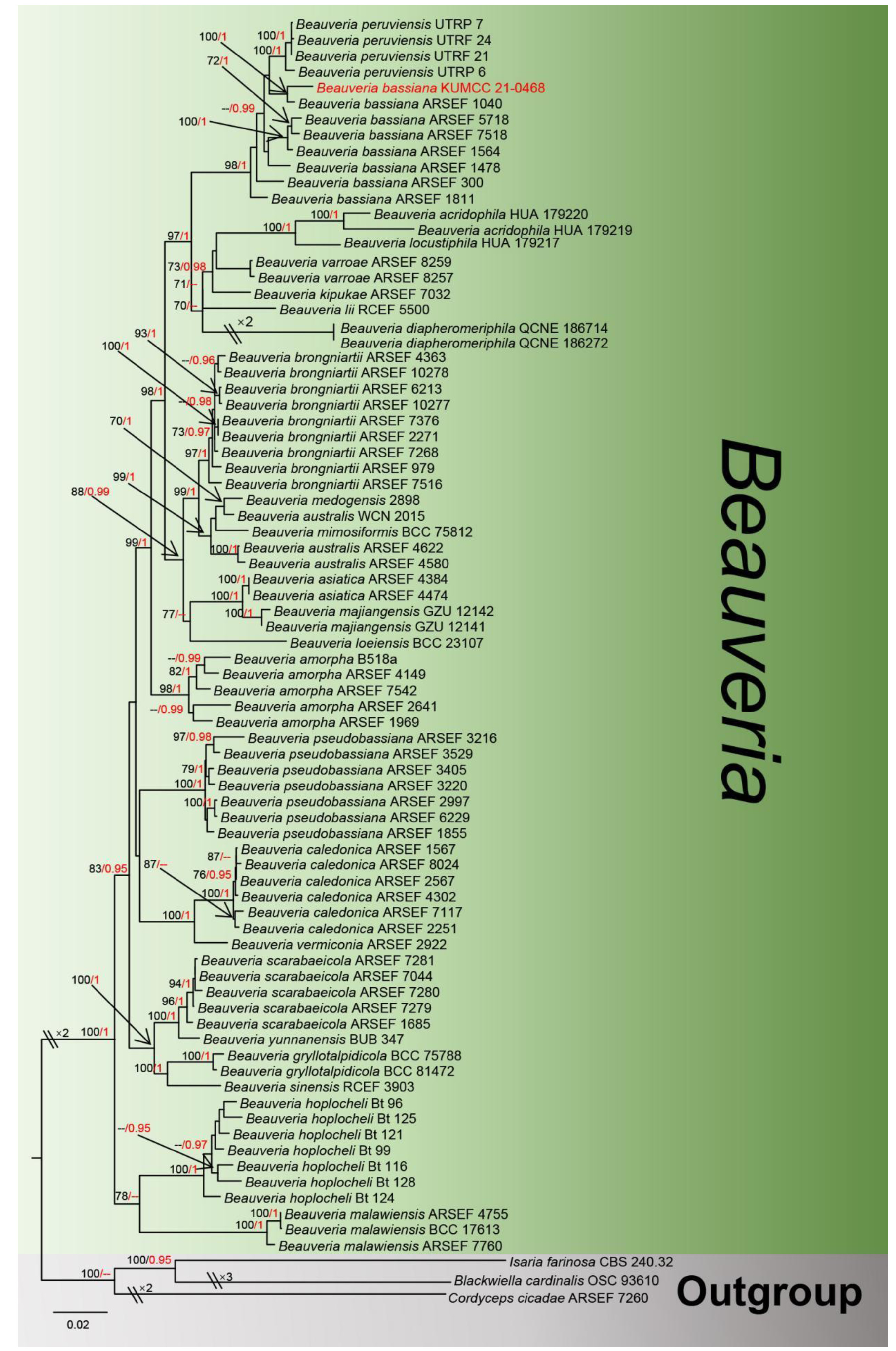
Beauveria bassiana
species of fungus
biopesticide
A biopesticide is a biological substance or microorganism that is used to control pests. Invertebrates and macroorganisms used to control pests are usually categorised as biological pest control agents.
citronella oil
essential oil
ethyl butylacetylaminopropionate
chemical compound
Gomutra
cow urine, liquid by-product of metabolism
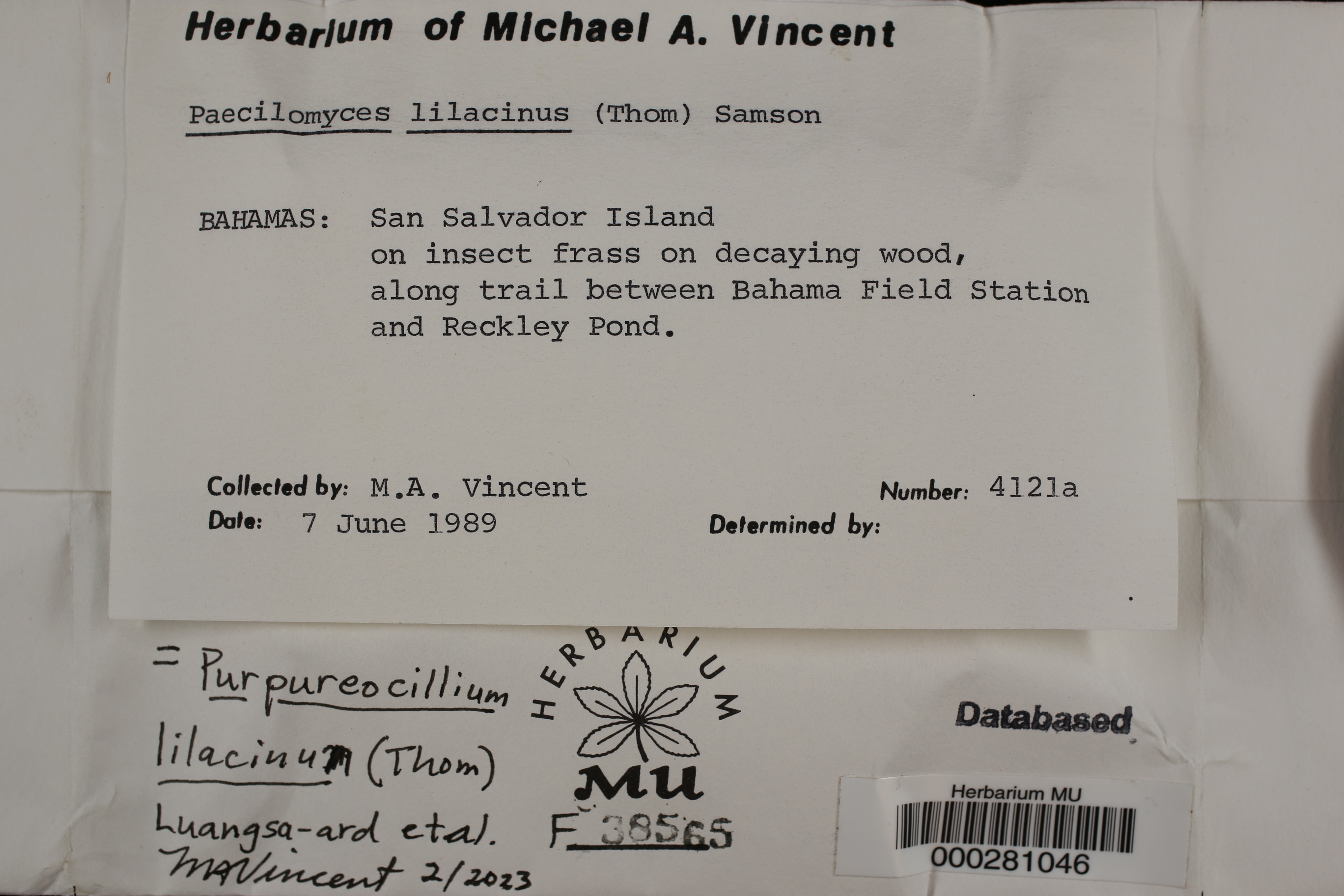
Purpureocillium lilacinum
species of fungus
spinosad
Spinosad is an insecticide based on chemical compounds found in the bacterial species Saccharopolyspora spinosa. The genus Saccharopolyspora was discovered in 1985 in isolates from crushed sugarcane. The bacteria produce yellowish-pink aerial hyphae, with bead-like chains of spores enclosed in a characteristic hairy sheath. This genus is defined as aerobic, Gram-positive, nonacid-fast actinomycetes with fragmenting substrate mycelium. S. spinosa was isolated from soil collected inside a nonoperational sugar mill rum still in the Virgin Islands. Spinosad is a mixture of chemical compounds in th
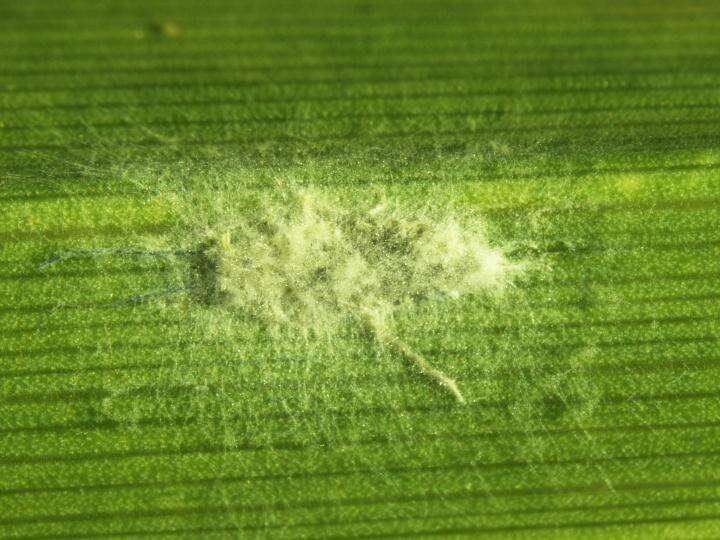
Lecanicillium lecanii
species of fungus

Lecanicillium
Lecanicillium is a genus of fungi in the order Hypocreales and is described as anamorphic Cordycipitaceae; 21 species are currently described. Some of these entomopathogenic fungus species were previously widely known as Verticillium lecanii (Zimmerman) Viegas. This genus was first named and introduced by Rasoul Zare (IRIPP) and Walter Gams (CBS).
Paecilomyces fumosoroseus
species of fungus
hederagenin
Hederagenin is a triterpenoid which is a chemical constituent of the Hedera helix plant.
Lecanicillium longisporum
species of fungus
Metarhizium acridum
species of fungus
Lecanicillium muscarium
species of fungus
Trichoderma asperellum
species of fungus
Trichoderma stromaticum
species of fungus

Beauveria brongniartii
species of fungus
Agrobacterium radiobacter
species of bacterium
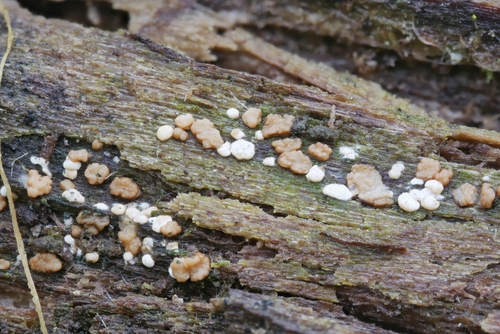
Trichoderma hamatum
species of fungus
Pochonia
Pochonia is a genus of fungi within the order Hypocreales and is described as anamorphic Metacordyceps; eight species are described. Previously placed in the genus Verticillium, these fungi are known to be pathogenic to nematodes and are being developed and commercialized as biological pesticides.
Bioherbicide
Bioherbicides are herbicides consisting of phytotoxins, pathogens, and other microbes used as biological weed control. Bioherbicides may be compounds and secondary metabolites derived from microbes such as fungi, bacteria or protozoa; or phytotoxic plant residues, extracts or single compounds derived from other plant species.