Category
page 1Bird diseases
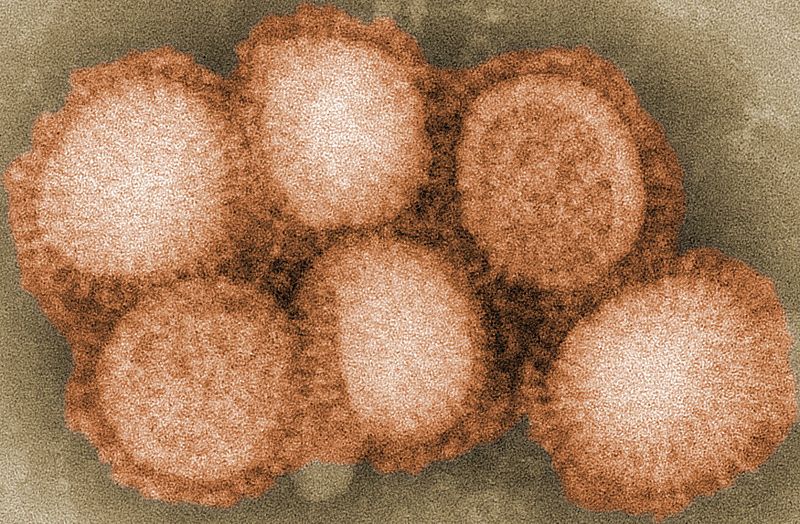
avian influenza
influenza caused by viruses adapted to birds

severe acute respiratory syndrome
Severe acute respiratory syndrome (SARS) is a viral respiratory disease of zoonotic origin caused by the virus SARS-CoV-1, the first identified strain of the SARS-related coronavirus. The first known cases occurred in November 2002, and the syndrome caused the 2002–2004 SARS outbreak. In the 2010s, Chinese scientists traced the virus through the intermediary of Asian palm civets to cave-dwelling horseshoe bats in Xiyang Yi Ethnic Township, Yunnan.

candidiasis

influenza A virus subtype H5N1
subtype of influenza A virus

West Nile fever
human disease

ornithosis
Psittacosis, also known as parrot fever or ornithosis, is a zoonotic infectious disease caused by the bacterium Chlamydia psittaci. Birds are the main reservoir, and human infection usually follows inhalation of aerosolised dried droppings or respiratory secretions from infected birds. Although many human infections are mild, psittacosis can cause pneumonia and occasionally severe complications including endocarditis, hepatitis, and neurologic disease.

histoplasmosis
Histoplasmosis is a fungal infection caused by Histoplasma capsulatum. Symptoms of this infection vary greatly, but the disease affects primarily the lungs. Occasionally, other organs are affected; called disseminated histoplasmosis, it can be fatal if left untreated.
Cryptococcus neoformans
species of fungus

cryptococcosis
Cryptococcosis is a potentially fatal fungal infection of mainly the lungs, presenting as a pneumonia, and in the brain, where it appears as a meningitis. Coughing, difficulty breathing, chest pain and fever are seen when the lungs are infected. When the brain is infected, symptoms include headache, fever, neck pain, nausea and vomiting, light sensitivity and confusion or changes in behavior. It can also affect other parts of the body including skin, where it may appear as several fluid-filled nodules with dead tissue.

sporotrichosis
Sporotrichosis, also known as '''rose handler's disease', is a fungal infection that may be localised to skin, lungs, bone and joint, or become systemic. It presents with firm painless nodules that later ulcerate. Following initial exposure to Sporothrix schenckii'', the disease typically progresses over a period of a week to several months. Serious complications may develop in people who have a weakened immune system.
pasteurellosis
Eastern equine encephalitis
horse disease
fowl cholera
bird disease
Influenza A virus subtype H5N8

Orbivirus
Orbivirus is a genus of double-stranded RNA viruses in the order Reovirales and the family Sedoreoviridae. Unlike other reoviruses, orbiviruses are arboviruses. They can infect and replicate within a wide range of arthropod and vertebrate hosts. Orbiviruses are named after their characteristic doughnut-shaped capsomers ( in Latin means ring).
avian malaria
birds disease

Western equine encephalitis virus
species of virus
%20-feather%20plucking.jpg)
feather-plucking
thumb|A salmon-crested cockatoo, showing signs of feather-plucking on its chest
Psittacine beak and feather disease
viral disease affecting parrots

Avian sarcoma leukosis virus
species of virus

Gallid herpesvirus 1
species of virus
Tyzzer's disease
bacterial disease of mammals
angel wing
Disease of birds affecting wing shape
Global spread of H5N1
Spread of bird flu
Plasticosis
Plasticosis is a form of fibrotic scarring that is caused by small pieces of plastic which inflame the digestive tract.
proventricular dilatation disease
incurable disease of psittacine birds
Avipoxvirus
Avipoxvirus (avian pox) is a genus of viruses within the family Poxviridae. Poxviridae is the family of viruses which cause the afflicted organism to have poxes as a symptom. Poxviruses have generally large genomes, and other such examples include smallpox and monkeypox. Members of the genus Avipoxvirus infect specifically birds. Avipoxviruses are unable to complete their replication cycle in non-avian species. Although it is comparably slow-spreading, Avipoxvirus is known to cause symptoms like pustules lining the skin and diphtheria-like symptoms. These diphtheria-like symptoms might include
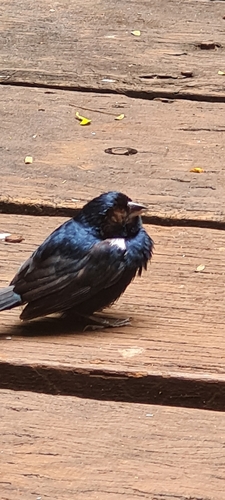
Canarypox virus
thumb|Canary bird (Serinus canaria) with its typical yellow colouration.
Tremovirus A
thumb|Chickens who died of avian encephalomyelitis
Tremovirus is a virus genus belonging to the Picornaviridae family. The genus has two species, including Avian encephalomyelitis virus. The first avian picornavirus to have its genome sequenced, it causes epidemic tremor in chickens.
pathogenic Escherichia coli
strains of E. coli that can cause disease
Avian adenovirus
genus of viruses
Mycoplasma synoviae
species of bacterium

egg binding
medical condition in birds or other egg-laying animals, where the female is unable to pass an egg that has formed
bumblefoot
inflammation on birds' and rodents' feet
Mycoplasma meleagridis
species of bacterium
avian keratin disorder
bird disease
Pacheco's disease
disease in parrots
Bulbul coronavirus HKU11
species of virus