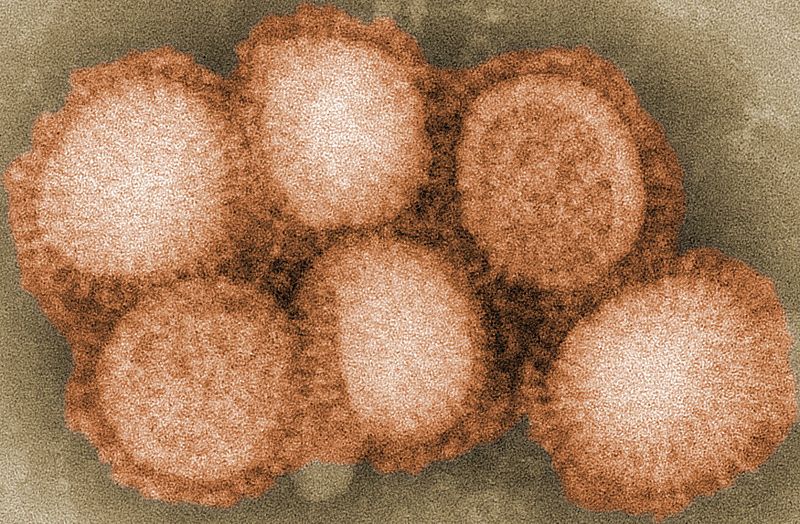
avian influenza
Also known as HPAI, avian flu, bird flu, influenza in birds
influenza caused by viruses adapted to birds
AI overview
Avian influenza is a disease caused by viruses that have adapted to infect birds. It matters because these viruses can sometimes spread to other animals and humans, posing potential public health concerns.
AI-generated from the Wikipedia summary — may contain errors.
Research
20,110 papers- Avian influenza viruses in humans: lessons from past outbreaks.British medical bulletin · 2019
- A Brief Introduction to Avian Influenza Virus.Methods in molecular biology (Clifton, N.J.) · 2020
- Avian influenza: past, present and future.Revue scientifique et technique (International Office of Epizootics) · 2024
- Avian influenza.Current allergy and asthma reports · 2006
- Highly Pathogenic Avian Influenza A(H5N1) Clade 2.3.4.4b Virus Infection in Domestic Dairy Cattle and Cats, United States, 2024.Emerging infectious diseases · 2024
via PubMed
Wikidata facts
- Image
- Influenza A - late passage.jpg
Sources (6)
Article
Avian influenza, also known as avian flu or bird flu, is a disease caused by the influenza A virus, which primarily affects birds but can sometimes affect mammals including humans. Wild aquatic birds are the primary host of the influenza A virus, which is enzootic (continually present) in many bird populations.
Symptoms of avian influenza vary according to both the strain of virus underlying the infection, and on the species of bird or mammal affected. Classification of a virus strain as either low pathogenic avian influenza (LPAI) or high pathogenic avian influenza (HPAI) is based on the severity of symptoms in domestic chickens and does not predict severity of symptoms in other species. Chickens infected with LPAI display mild symptoms or are asymptomatic, whereas HPAI causes serious breathing difficulties, significant drop in egg production, and sudden death. Domestic poultry may potentially be protected from specific strains of the virus by vaccination.