Category
page 2Birds described in 1758

Black-crowned Night Heron
species of bird

Common Swift
species of bird

Western Cattle Egret
species of birds

Carrion Crow
species of bird

Whooper Swan
species of bird
Gadwall
The gadwall (Mareca strepera) is a common and widespread dabbling duck in the family Anatidae.
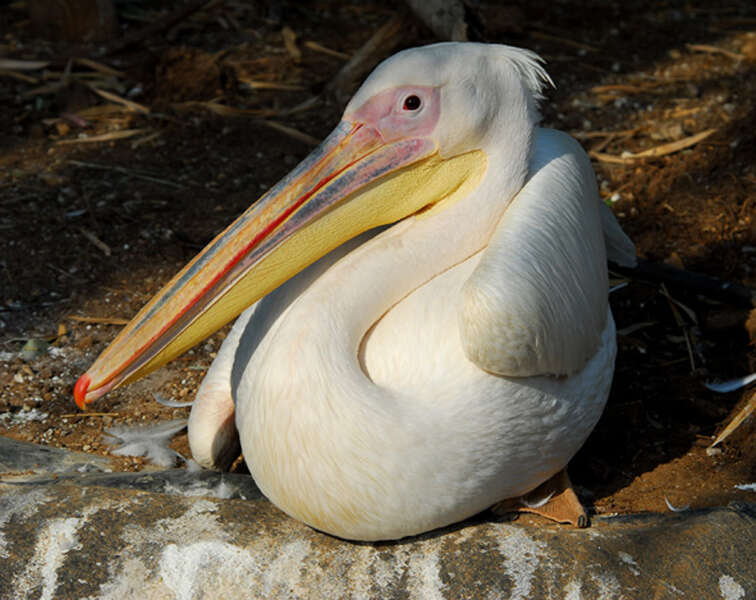
Great White Pelican
species of bird
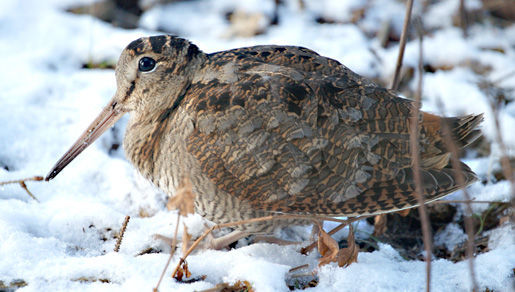
Eurasian Woodcock
species of bird

European Bee-eater
species of bird of genus Merops

Corn Crake
species of bird
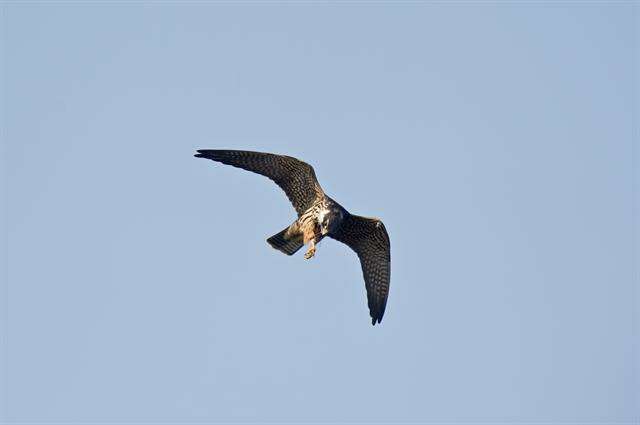
Eurasian Hobby
species of bird
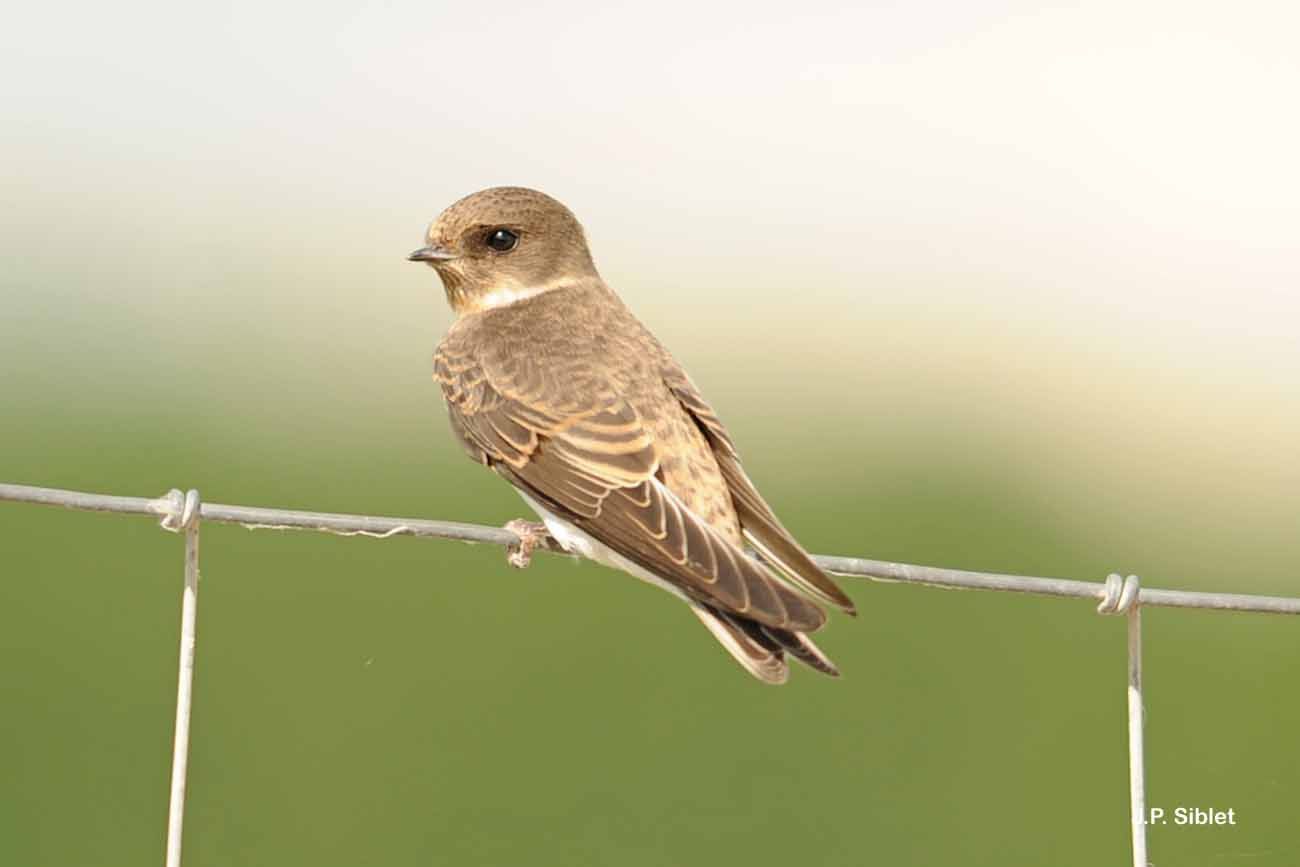
Sand Martin
species of bird
%20in%20AP%20W%20IMG%202844.jpg)
Garganey
The garganey (Spatula querquedula) is a small dabbling duck. It breeds in much of Europe and across the Palearctic, but is strictly migratory, with the entire population moving to Africa, India (in particular Santragachi), Bangladesh (in the natural reservoirs of Sylhet district) and Australasia during the winter of the Northern hemisphere, where large flocks can occur. This species was first described by Carl Linnaeus in his landmark 1758 10th edition of Systema Naturae. Like other small ducks such as the Eurasian teal, this species rises easily from the water with a fast twisting wader-like

Eurasian Wigeon
species of bird

Northern Shoveler
species of bird

European Turtle Dove
species of bird

Long-eared Owl
species of bird

Troglodytes troglodytes
species of bird
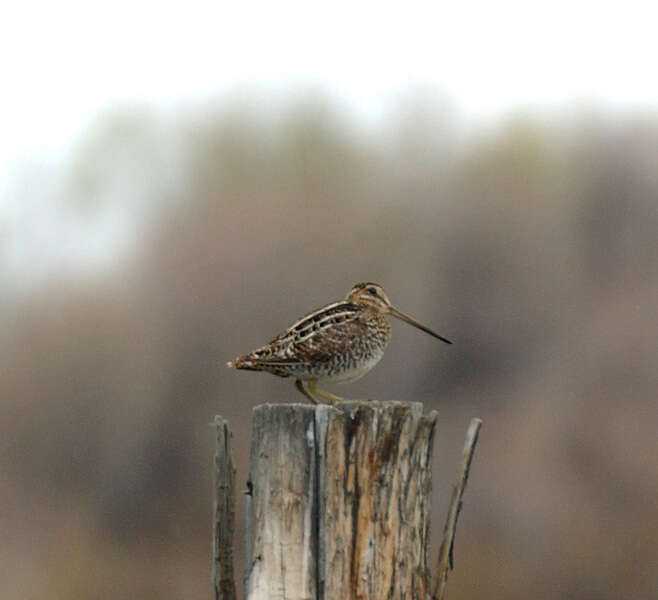
Gallinago gallinago
species of bird

Common Redshank
species of bird

Great Spotted Woodpecker
species of bird

Common Shelduck
species of bird

Red Kite
species of bird

Common Linnet
species of bird
Yellowhammer
thumb|Emberiza citrinella
The yellowhammer (Emberiza citrinella) is a passerine bird in the bunting family that is native to Eurasia and has been introduced to New Zealand and Australia. Most European birds remain in the breeding range year-round, but the eastern subspecies is partially migratory, with much of the population wintering further south. The male yellowhammer has a bright yellow head, streaked brown back, chestnut rump, and yellow under parts. Other plumages are duller versions of the same pattern. The yellowhammer is common in open areas with some shrubs or trees, and forms small

Merlin
species of bird

Common Sandpiper
species of bird

Tufted Duck
species of bird

Black-winged Stilt
species of bird

Eurasian Spoonbill
species of bird
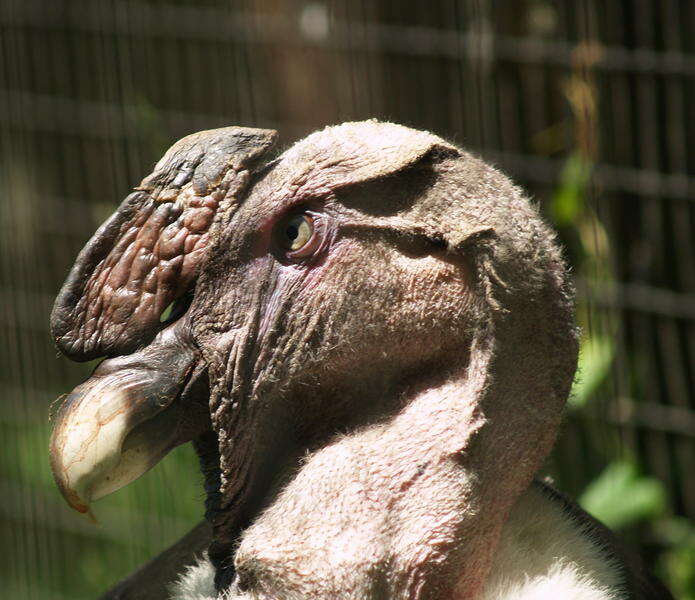
Andean Condor
species of bird

Common Pochard
species of bird

Spinus spinus
species of bird

tawny owl
species of bird

Black Woodpecker
species of woodpecker

Red Junglefowl
species of bird; wild ancestor of the domesticated chicken

Black Grouse
species of bird

Western Marsh Harrier
species of bird

Mandarin Duck
species of bird

Ruff
species of bird

Eurasian Curlew
species of bird

Canada Goose
Species of wild goose
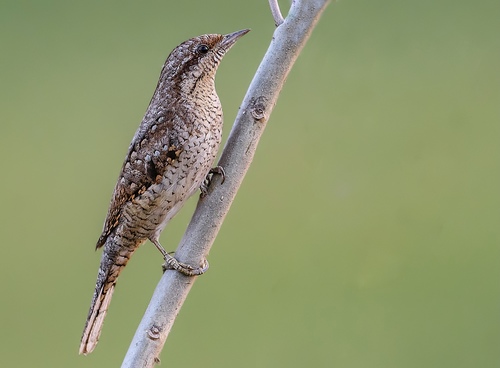
Eurasian Wryneck
species of bird
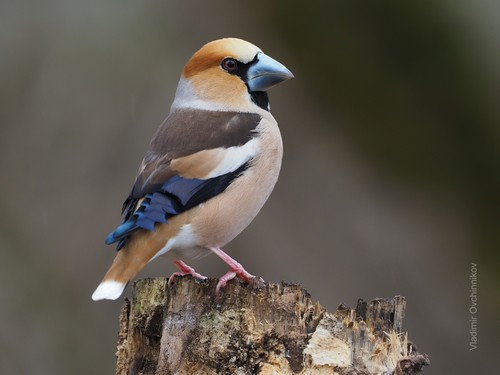
Hawfinch
thumb|Juvenile, Hungary
thumb|A hawfinch foraging, De Cocksdorp, Netherlands (2011)
The hawfinch (Coccothraustes coccothraustes) is a passerine bird in the finch family Fringillidae. It is the only extant species placed in the genus Coccothraustes. Its closest living relatives are the genus Eophona of East Asia, and Hesperiphona of Central and North America.
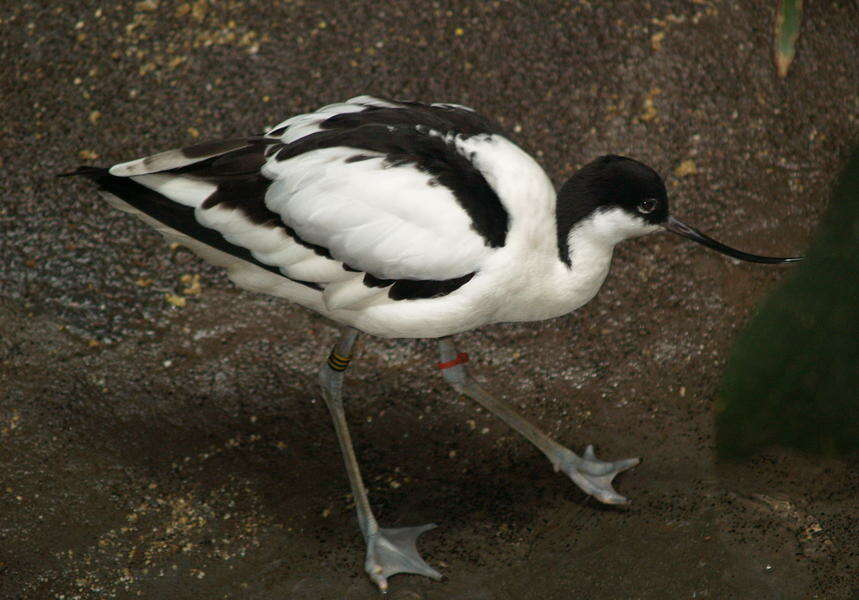
Recurvirostra avosetta
species of bird

European Greenfinch
species of bird

Common House Martin
species of bird
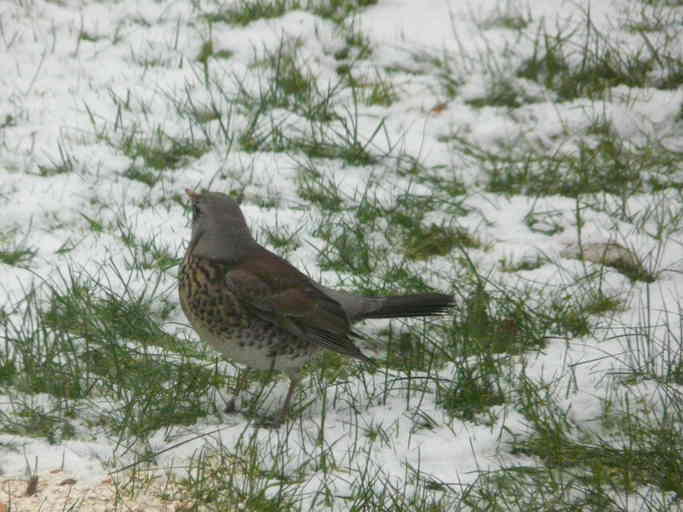
Fieldfare
The fieldfare (Turdus pilaris) is a member of the thrush family Turdidae. It breeds in woodland and scrub in northern Europe and across the Palearctic. It is strongly migratory, with many northern birds moving south during the winter. It is a very rare breeder in the British Isles, but winters in large numbers in the United Kingdom, Southern Europe, North Africa and the Middle East. It is omnivorous, eating a wide range of molluscs, insects and earthworms in the summer, and berries, grain and seeds in the winter.

European Nightjar
species of bird

Northern Nutcracker
species of bird

Eurasian Nuthatch
species of bird

Little Bustard
species of bird
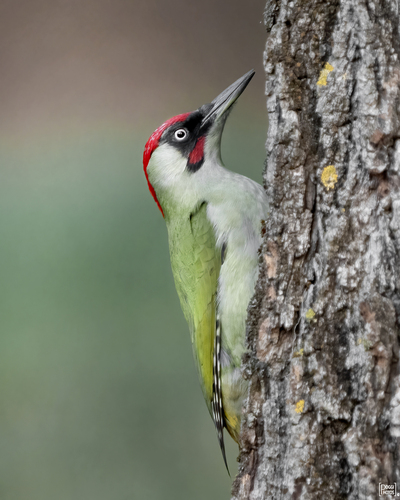
European Green Woodpecker
species of bird

Cinclus cinclus
species of bird

Bluethroat
The bluethroat (Luscinia svecica) is a small passerine bird in the Old World flycatcher family. It is a migratory insectivorous species breeding in wet birch wood or bushy swamp in Europe and across the Palearctic with a foothold in western Alaska. It nests in tussocks or low in dense bushes. It winters in the Iberian Peninsula, the northern half of Africa, and in southern Asia (among others including the Indian subcontinent). The bluethroat, and similar small European flycatchers, are often called chats.

Common Redstart
species of bird

Crested Lark
species of bird

European Roller
species of bird

Eurasian Oystercatcher
species of bird
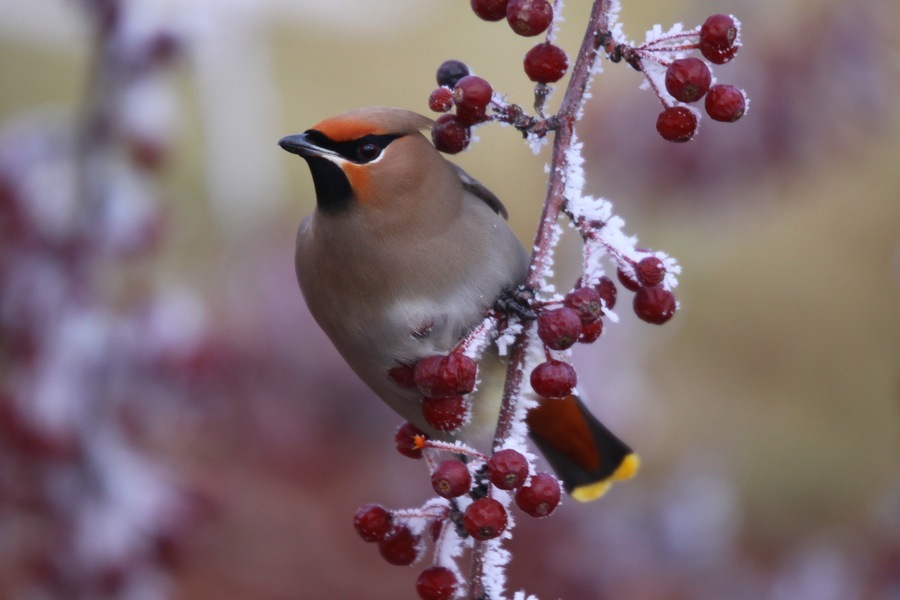
Bohemian Waxwing
species of starling-sized passerine bird