Category
page 1Bleeding Kansas

Lawrence
city in and county seat of Douglas County, Kansas, United States
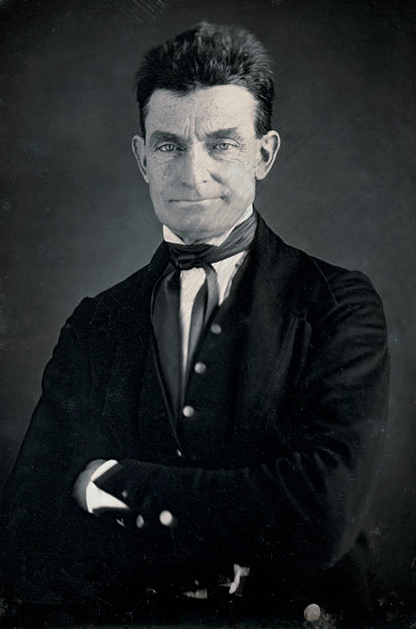
John Brown (abolitionist)
John Brown was an American abolitionist in the decades preceding the Civil War. First reaching national prominence in the 1850s for his radical abolitionism and fighting in Bleeding Kansas, Brown was captured, tried, and executed by the Commonwealth of Virginia for a raid and incitement of a slave rebellion at Harpers Ferry, Virginia, in 1859.

Olathe
county seat of Johnson County, Kansas, United States
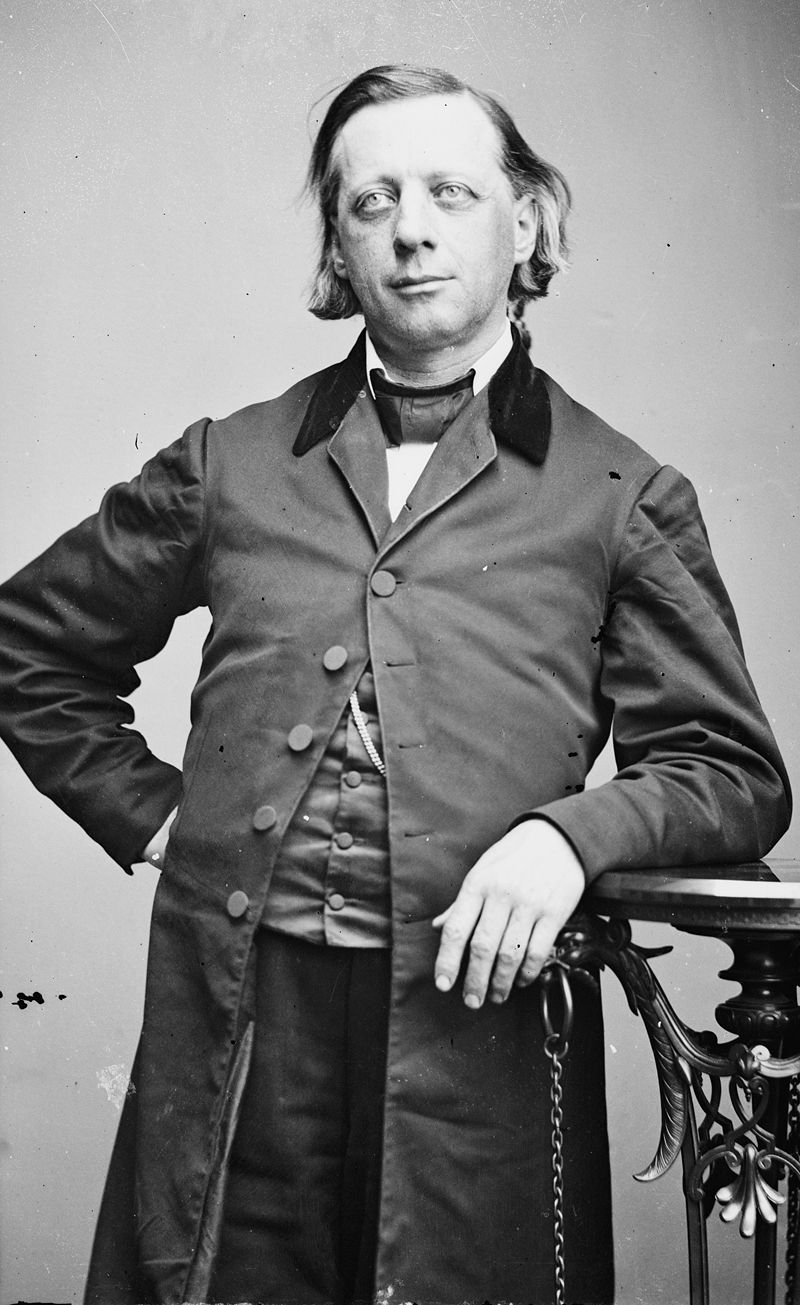
Henry Ward Beecher
American clergyman and activist (1813–1887)

Stephen A. Douglas
American politician and lawyer (1813–1861)
Bleeding Kansas
violent political confrontations in the United States centered around slavery
Kansas–Nebraska Act
1854 United States legislation promoted by Stephen A. Douglas which repealed the Missouri Compromise line and disrupted the Compromise of 1850
Nathaniel Lyon
first Union general to be killed in the American Civil War
James G. Birney
American politician (1792-1857)

Charles L. Robinson
American politician and state governor (1818–1894)
Knights of the Golden Circle
Secret society in the mid-19th-century US

Bushwhacker
thumb|right|Notorious Confederate bushwhacker Bloody Bill Anderson
thumb|Three bushwackers; Archie Clement, Dave Pool, and Bill Hendricks.
thumb|John Nichols, a bushwacker who operated in Johnson and Pettis Counties in 1862–1863, prior to his execution in Jefferson City, Missouri, October 30, 1863
Bushwhacking was a form of guerrilla warfare common during the American Revolutionary War, War of 1812, American Civil War and other conflicts in which there were large areas of contested land and few governmental resources to control these tracts. This was particularly prevalent in rural areas durin
Andrew Butler
American senator

James W. Denver
American politician and Union Army General (1817–1892)

Pottawatomie Massacre
Violent Attack by Abolitionists prior to the American Civil War

Jayhawker
thumb|Broadside recruiting men for the Independent Kansas Jay-Hawkers, 1st Kansas Volunteer Cavalry.
thumb|Burnt Wagons, California|Burned Wagons Point in [[Death Valley, where the Jayhawker group of 49ers killed their oxen, chopped the wagons, dried the meat, and set off westward on foot.]]
Jayhawker is a term that came to prominence in Kansas Territory during the Bleeding Kansas period of the 1850s; it was adopted by militant bands affiliated with the free-state cause during the American Civil War. These groups were guerrillas who often clashed with pro-slavery groups from Missouri, known at
Thomas Ewing Jr.
American jurist and Union Army general (1829–1896)
Eli Thayer
American politician (1819-1899)
Slave Power
Political force in the antebellum United States
Sacking of Lawrence
1856 destruction of the Kansas Territory town
Silas Soule
American Union Army officer

Persifor Frazer Smith
American politician (1798-1858)
Thaddeus Hyatt
abolitionist and inventor (1816–1901)
caning of Charles Sumner
attack on an anti-slavery US Congressman by a pro-slavery US Congressman
Wakarusa War
1855 armed conflict in Kansas, United States
Lecompton Constitution
second of four proposed constitutions for the state of Kansas
Border Ruffian
1850s pejorative for pro-slavery Missourian raiders within Kansas Territory
Amos Adams Lawrence
abolitionist (1814-1886)
Vinland
unincorporated community in Douglas County, Kansas
William S. Harney
United States Army general (1800-1889)
Quantrill's Raiders
pro-Confederate partisan guerrillas in the American Civil War
Battle of Black Jack
1856 battle
Daniel Woodson
Governor of Kansas territory (1824-1894)
Battle of Osawatomie
1856 battle of the Bleeding Kansas era
Secret Six
abolitionist group
New England Emigrant Aid Company
Topeka Constitution
1855 constitutional convention in Kansas Territory
Marais des Cygnes massacre
massacre in United States of America
William Frederick Milton Arny
American government official (1813-1881)