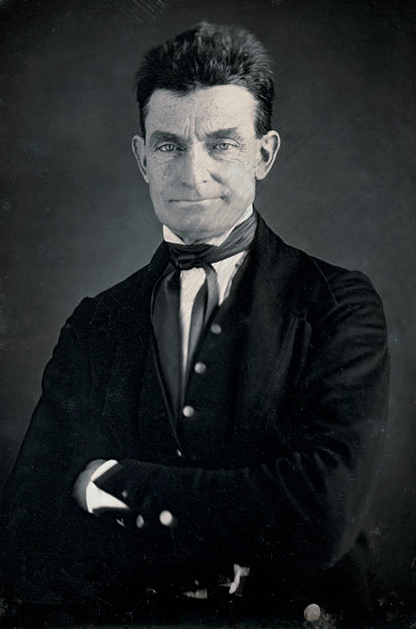
John Brown (abolitionist)
Sign in to saveAlso known as Isaac Smith
John Brown was an American abolitionist in the decades preceding the Civil War. First reaching national prominence in the 1850s for his radical abolitionism and fighting in Bleeding Kansas, Brown was captured, tried, and executed by the Commonwealth of Virginia for a raid and incitement of a slave rebellion at Harpers Ferry, Virginia, in 1859.
John Brown was an American abolitionist who became nationally known in the 1850s for his radical opposition to slavery and his armed activities in Bleeding Kansas. He was executed by Virginia in 1859 after leading a raid on the federal arsenal at Harpers Ferry, which he intended to spark a slave rebellion, making him a pivotal and controversial figure in the events leading up to the Civil War.
AI-generated from the Wikipedia summary — may contain errors.
Wikipedia views (30d)
198,485 totalvia Wikimedia Pageviews API
Wikidata facts
- Instance of
- human
- Given name
- James
- Family name
- Brown
- Gender
- male
- Citizenship
- United States
- Place of birth
- Torrington
- Place of death
- Charles Town
- Occupation
- social activist
- Position held
- commander-in-chief
- Languages spoken
- English language
- Religion
- Reformed Christianity
- Image
- 1846-47 John Brown by Augustus Washington (without frame).jpg
- Political ideology
- abolition of slavery
Show 15 more facts
- Commons category
- John Brown (abolitionist)
- date of birth
- 1800-05-09
- date of death
- 1859-12-02
- topic's main category
- Category:John Brown (abolitionist)
- Commons gallery
- John Brown
- manner of death
- capital punishment
- cause of death
- hanging to death
- nickname
- Isaac Smith
- last words
- Be quick.
- place of burial
- North Elba
- name in native language
- John Brown
- birth name
- John Brown
- name in kana
- ジョン・ブラウン
- writing language
- English language
- different from
- John Ednie Brown
Sources (6)
via Wikidata · CC0
~40 min read
Encyclopedic overview
John Brown (May 9, 1800 – December 2, 1859) was an American Christian abolitionist in the decades preceding the American Civil War. First reaching national prominence in the 1850s for his radical abolitionism and fighting in Bleeding Kansas, Brown was captured, tried, and executed by the Commonwealth of Virginia for a raid and incitement of a slave rebellion at Harpers Ferry, Virginia, in 1859.
An evangelical Christian of strong religious convictions, Brown was profoundly influenced by the Puritan faith of his upbringing. He believed that he was "an instrument of God", raised to strike the "death blow" to slavery in the United States, a "sacred obligation". Brown was the leading exponent of violence in the American abolitionist movement, believing it was necessary to end slavery after decades of peaceful efforts had failed. Brown said that in working to free the enslaved, he was following Christian ethics, including the Golden Rule, and the Declaration of Independence, which states that "all men are created equal". He stated that in his view, these two principles "meant the same thing".
Excerpted from Wikipedia’s “John Brown (abolitionist)” article, available under the CC BY-SA 4.0 licence.