Category
page 1Boron

boron
Boron is a chemical element; it has symbol B and atomic number 5. In its crystalline form it is a brittle, dark, lustrous metalloid; in its amorphous form it is a brown powder. As the lightest element of the boron group it has three valence electrons for forming covalent bonds, resulting in many compounds such as boric acid, the mineral sodium borate, and the ultra-hard crystals of boron carbide and boron nitride.
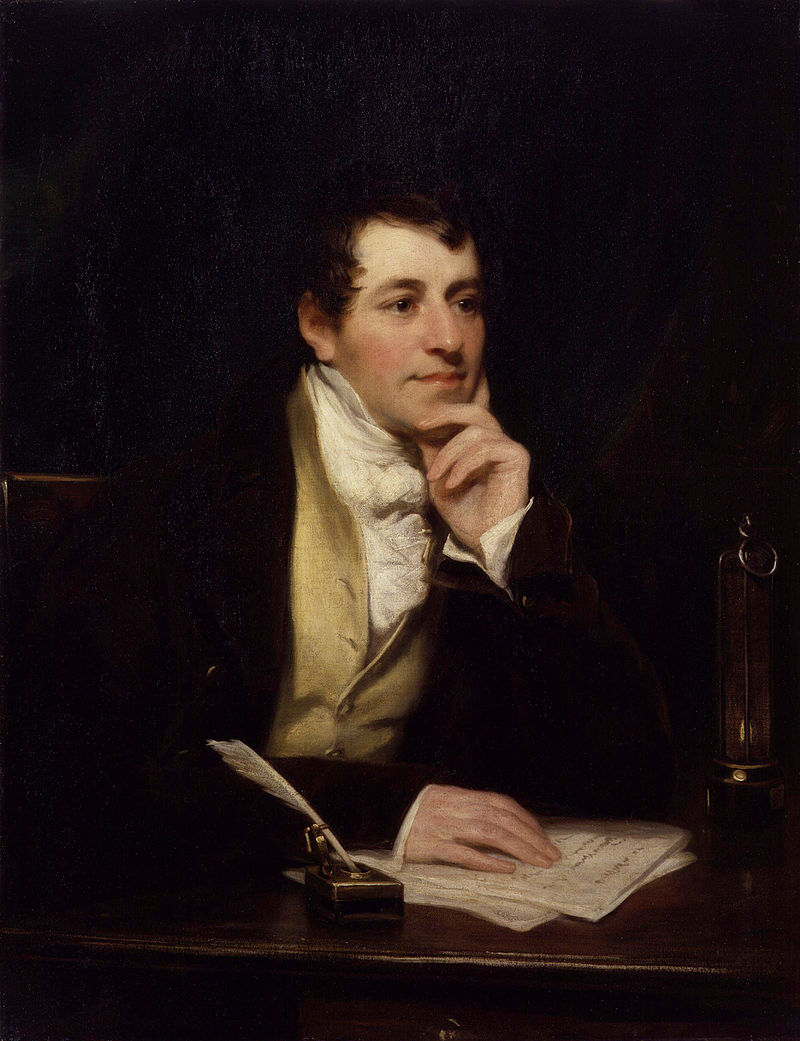
Humphry Davy
British chemist

Joseph Louis Gay-Lussac
French chemist and physicist (1778–1850)
isotope of boron
neutron capture therapy of cancer
nonsurgical therapeutic modality for treating locally invasive malignant tumors
Boron
Wikimedia disambiguation page
plants boron deficiency
nutritional disorder in plants
ferroboron
Ferroboron (FeB) is a ferroalloy consisting of iron and boron. The metal usually contains 17.5% to 20% boron and is used to produce boron steels.
boron fiber
artificially produced fiber
Borylation
Metal-catalyzed C–H borylation reactions are transition metal catalyzed organic reactions that produce an organoboron compound through functionalization of aliphatic and aromatic C–H bonds and are therefore useful reactions for carbon–hydrogen bond activation. Metal-catalyzed C–H borylation reactions utilize transition metals to directly convert a C–H bond into a C–B bond. This route can be advantageous compared to traditional borylation reactions by making use of cheap and abundant hydrocarbon starting material, limiting prefunctionalized organic compounds, reducing toxic byproducts, and stre
allotrope of boron
Materials made only out of boron