Category
page 1British Gothic novels

Frankenstein
Frankenstein; or, The Modern Prometheus is an 1818 Gothic novel written by English author Mary Shelley. Frankenstein tells the story of Victor Frankenstein, a young scientist who creates a sapient creature from different body parts in an unorthodox scientific experiment. Shelley started writing the story when she was 18 and staying in Bath, and the first edition was published anonymously in London on 1 January 1818, when she was 20. Her name first appeared in the second edition, which was published in Paris in 1821.

The Picture of Dorian Gray
1890–1891 novel by Oscar Wilde

Wuthering Heights
Wuthering Heights is the only novel by the English author Emily Brontë, initially published in 1847 under her pen name "Ellis Bell". It concerns two extensive upland estates and their landowning families on the West Yorkshire moors, the Earnshaws and the Lintons; and their turbulent relationships with the Earnshaws' foster son, Heathcliff. Driven by themes of love, possession, revenge, and reconciliation, the novel is influenced by Romanticism and Gothic fiction. It is considered a classic of English literature.

Jane Eyre
1847 novel by Charlotte Brontë

Great Expectations
1861 novel by Charles Dickens
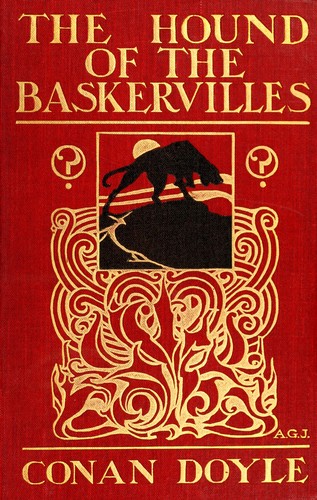
The Hound of the Baskervilles
crime novel by Arthur Conan Doyle
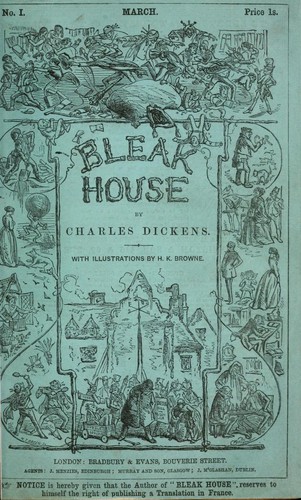
Bleak House
novel by Charles Dickens (1853)
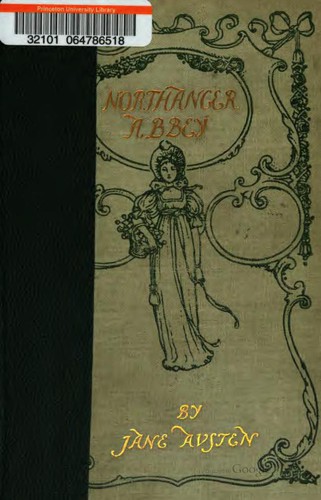
Northanger Abbey
1817 novel by Jane Austen

Coraline
Coraline () is a 2002 British fantasy horror children's novella by author Neil Gaiman. Gaiman started writing Coraline in 1990, and it was published in 2002 by Bloomsbury and HarperCollins. It was awarded the 2003 Hugo Award for Best Novella, the 2003 Nebula Award for Best Novella, and the 2002 Bram Stoker Award for Best Work for Young Readers. The Guardian ranked Coraline #82 in its list of 100 Best Books of the 21st Century. It was adapted as a 2009 stop-motion animated film, directed by Henry Selick under the same name.

Rebecca
novel by Daphne du Maurier
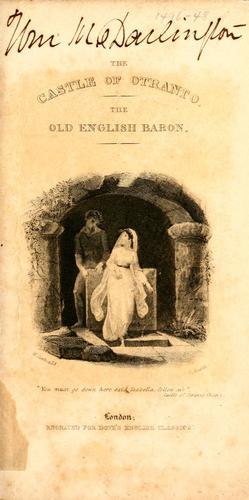
The Castle of Otranto
novel by Horace Walpole
She: A History of Adventure
novel by H. Rider Haggard

The Turn of the Screw
1898 novella by Henry James
The Mystery of Edwin Drood
monthly serial; final and unfinished novel by Charles Dickens; published 1870

The Woman in White
novel by Wilkie Collins
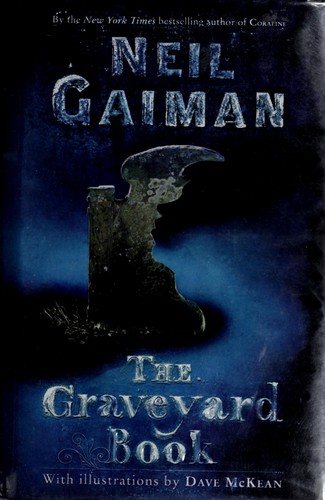
The Graveyard Book
2008 novel by Neil Gaiman
Villette
1853 Victorian bildungsroman by Charlotte Brontë

The Mysteries of Udolpho
1794 novel by Ann Radcliffe

The Monk
1796 novel by Matthew Lewis

The Great God Pan
1894 novel by Arthur Machen
The Jewel of Seven Stars
novel by Bram Stoker

Varney the Vampire
serial novel by James Malcolm Rymer
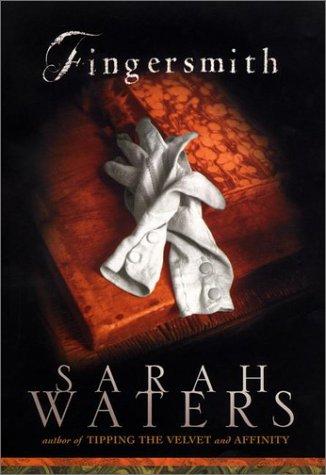
Fingersmith
2002 novel by Sarah Waters
Maria: or, The Wrongs of Woman
1798 unfinished novel by Mary Wollstonecraft

My Cousin Rachel
novel by Daphne du Maurier

The Woman in Black
book by Susan Hill

The Phantom Ship
book

Ayesha
novel by the Victorian author H. Rider Haggard

The Old English Baron
novel by Clara Reeve

The Lair of the White Worm
1911 novel by Bram Stoker

The Private Memoirs and Confessions of a Justified Sinner
novel by James Hogg

The Hellbound Heart
1986 novella by Clive Barker

The Thirteenth Tale
2006 novel by Diane Setterfield

Trilby
1894 novel by George du Maurier

Zastrozzi
Zastrozzi: A Romance is a Gothic novella by Percy Bysshe Shelley first published in 1810 in London by George Wilkie and John Robinson anonymously, with only the initials of the author's name, as "by P.B.S.". The first of Shelley's two early Gothic novellas, the other being St. Irvyne, outlines his atheistic worldview through the villain Zastrozzi and touches upon his earliest thoughts on irresponsible self-indulgence and violent revenge. An 1810 reviewer wrote that the main character "Zastrozzi is one of the most savage and improbable demons that ever issued from a diseased brain".

Glenarvon
Glenarvon was Lady Caroline Lamb's first novel. It created a sensation when published on 9 May 1816. Set in the Irish Rebellion of 1798, the book satirized the Whig Holland House circle, while casting a sceptical eye on left-wing politics. Its rakish title character, Lord Glenarvon, is an unflattering depiction of her ex-lover, Lord Byron. In 1866, it was reprinted under the title, The Fatal Passion.