Category
page 1British optical physicists

Isaac Newton
Sir Isaac Newton was an English polymath who was a mathematician, physicist, astronomer, alchemist, theologian, author and inventor. He was a key figure in the Scientific Revolution and the Enlightenment that followed. His book Philosophiæ Naturalis Principia Mathematica, first published in 1687, achieved the first great unification in physics and established classical mechanics. Newton also made seminal contributions to optics, and shares credit with the German mathematician Gottfried Wilhelm Leibniz for formulating infinitesimal calculus, although he developed calculus years before Leibniz. Newton contributed to and refined the scientific method, and his work is considered the most influential in bringing forth modern science.
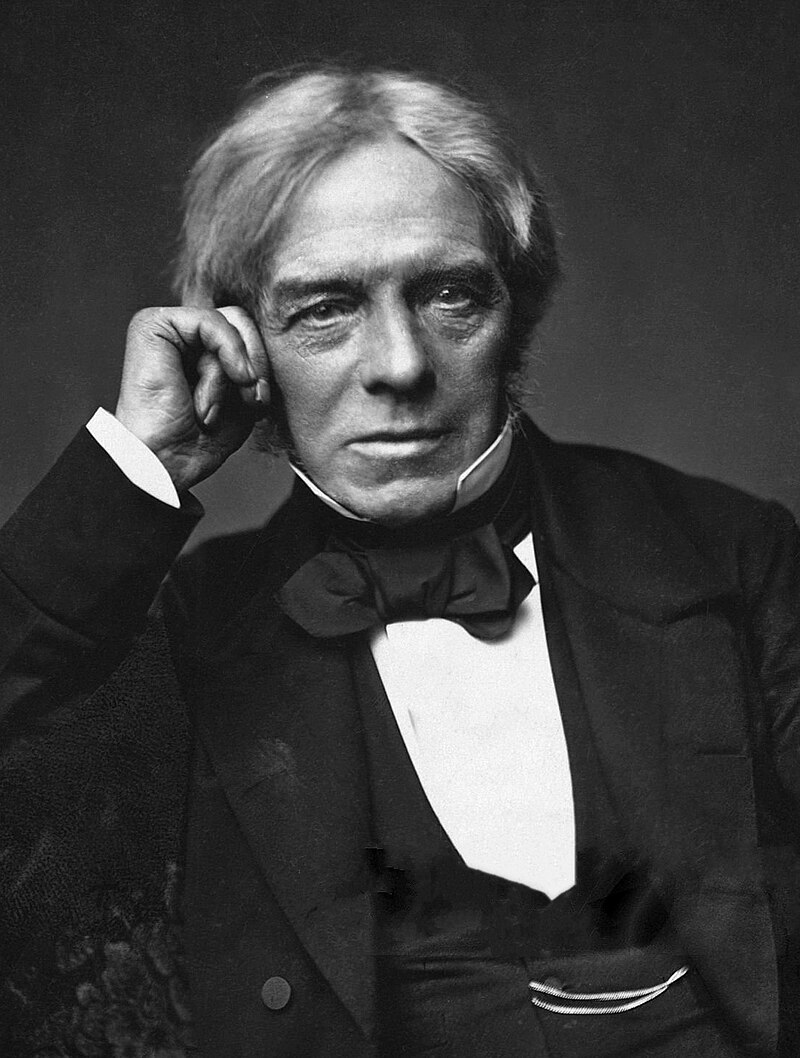
Michael Faraday
British scientist (1791–1867)
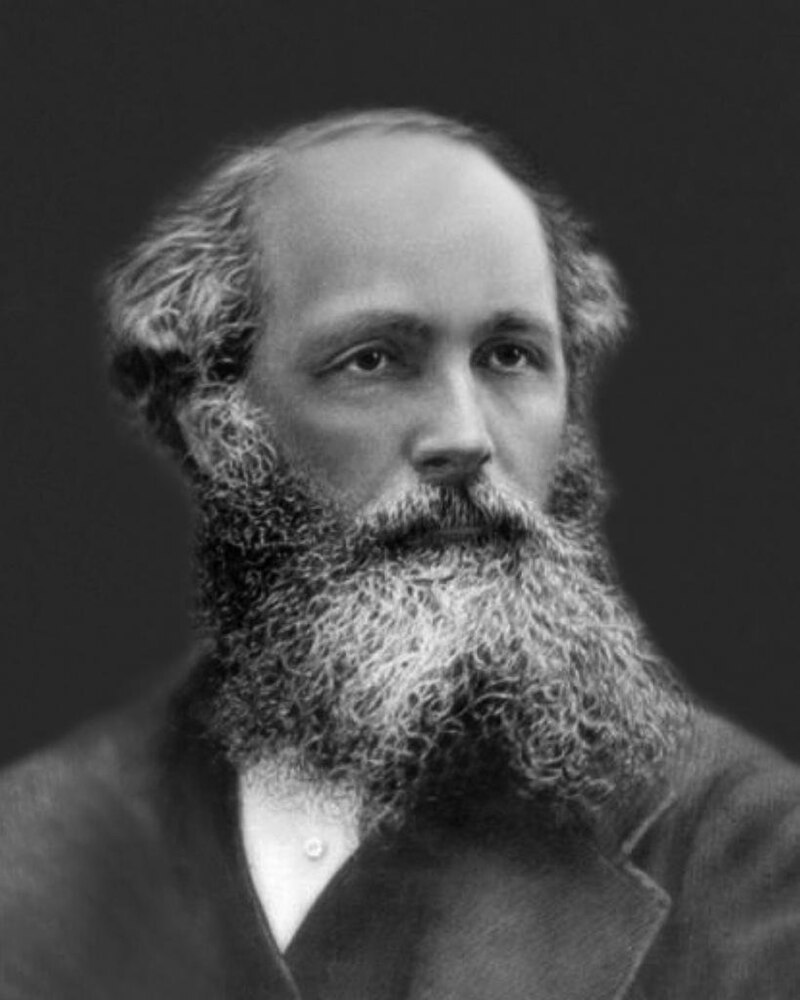
James Clerk Maxwell
Scottish physicist (1831–1879)

William Henry Bragg
British scientist (1862–1942)

John Strutt, 3rd Baron Rayleigh
English physicist (1842–1919)

Thomas Young
English polymath (1773-1829)

David Brewster
Scottish astronomer and mathematician (1781–1868)

William Hyde Wollaston
English chemist and physicist (1766–1828)

Charles Wheatstone
British scientist and inventor (1802–1875)

John Kerr
Scottish physicist and pioneer in the field of electro-optics (1824–1907)
John Pendry
British physicist
William Nicol
Scottish geologist and physicist (1770-1851)
Robert Hanbury Brown
British astronomer and physicist, born in India (1916–2002)
Harold Hopkins
British physicist
Herbert Fröhlich
British physicist (1905–1991)
Ian Walmsley
British physicist
Andrew Pritchard
English naturalist and microscopist
Philip Russell
British physicist