Category
page 1British styles of music

heavy metal music
genre of rock music characterized by slack-tuned instruments, and unconventional changes of tonality (key) and time signature (metre)

thrash metal
subgenre of heavy metal

alternative rock
subgenre of rock music

progressive rock
genre of rock music

pop rock
music genre

trance
genre of electronic dance music

post-punk
Post-punk (or postpunk) is a loosely defined music genre and period that emerged in late 1977 in the wake of punk rock. The concept was originally outlined by Jon Savage in his "New Musick" editorial for Sounds magazine in November 1977. The term has been noted for lacking a universally agreed-upon definition. Post-punk musicians departed from punk's fundamental elements and raw simplicity, adopting instead a broader, more experimental approach that incorporated a variety of avant-garde sensibilities and non-rock influences. Inspired by punk's energy and DIY ethic but determined to move beyond

new wave
music genre that encompasses pop-oriented styles from the late 1970s through the 1980s
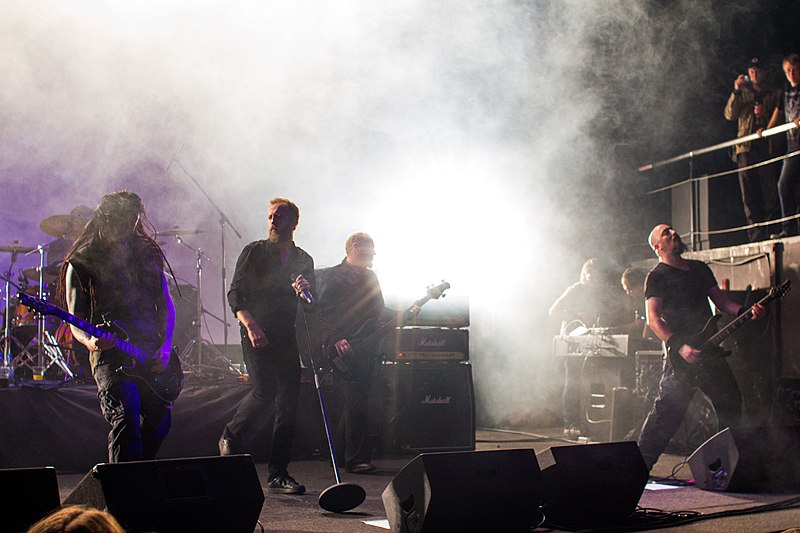
gothic metal
genre of heavy metal music

blues rock
music genre combining elements of blues and rock

synth-pop

ambient music
music genre

gothic rock
musical subgenre of post-punk and alternative rock
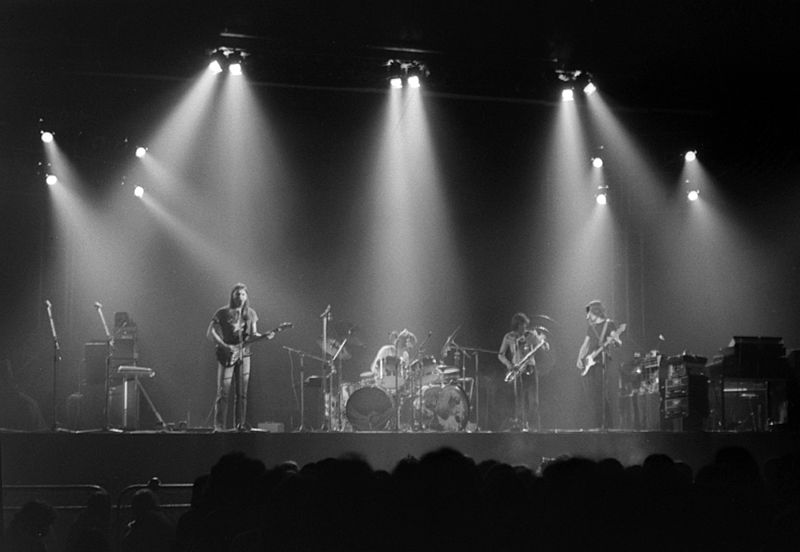
art rock
subgenre of rock music

Britpop
Britpop was a British music and cultural movement that emerged in the 1990s. Musically, it produced bright, catchy alternative rock that drew heavily on the traditions of 1960s guitar-based British pop, with lyrics that emphasised national identity and offered commentary on British culture and society. The movement was seen as a reaction against the darker lyrical themes and soundscapes of the American-led grunge and the more introspective shoegaze scene in Britain. It helped bring British alternative rock into the mainstream and became a key part of the broader Cool Britannia phenomenon, whic

shoegaze
Shoegaze (originally shoegazing) is a subgenre of indie and alternative rock characterised by ethereal soundscapes, obscured vocals, and extensive use of guitar effects and distortion. Rooted in Phil Spector's Wall of Sound and psychedelic pop of the 1960s, the style originated in the UK, particularly in London and the greater Thames Valley region, in the late 1980s and early 1990s. The term was coined by music executive Andy Ross and was later used by the British music press to describe shoegaze bands' motionless stage presence, during which musicians directed their look down toward their eff

indie pop
genre of pop music within independent music movement

pop-punk
Pop-punk (also punk pop, alternatively spelled without the hyphen) is a rock music genre that combines elements of punk rock and pop. It is defined by its fast-paced, energetic tempos, and emphasis on classic pop songcraft, as well as adolescent and anti-suburbia themes. It is distinguished from other punk-variant genres by drawing more heavily from 1960s bands such as the Beatles, the Kinks, and the Beach Boys. The genre has evolved throughout its history, absorbing elements from new wave, college rock, ska, hip hop, emo, boy band pop and even hardcore punk and metalcore. It is sometimes cons

industrial music
music genre

soft rock
music genre derived from popular and rock music
acid jazz
genre of music, mixing elements of funk, soul, jazz and electronic music
.jpg)
electropop
Electropop is a popular music fusion genre combining elements of the electronic and pop styles.
dark wave
music genre
beat music
popular music genre, influenced by rock and roll, skiffle, traditional pop music; developed in the UK early 1960s
breakbeat
Breakbeat is a broad type of electronic music that uses drum breaks, often sampled from early recordings of funk, jazz, and R&B. Breakbeats have been used in styles such as Florida breaks, hip-hop, jungle, drum and bass, big beat, breakbeat hardcore, and UK garage styles (including 2-step, breakstep and dubstep).
dream pop
music genre
power pop
music genre
electronic body music
music genre
baroque pop
fusion genre that combines rock music with particular elements of classical music
intelligent dance music
style of electronic dance music

anarcho-punk
Anarcho-punk (also known as anarchist punk) is an ideological subgenre of punk rock that promotes anarchism. The term has been broadly applied to refer to any punk music with anarchist lyrical content, which may figure in crust punk, hardcore punk, folk punk, and other styles.
downtempo
Downtempo (or downbeat) is a broad label for electronic music that features an atmospheric sound and slower beats than would typically be found in dance music (downtempo tracks are usually around 90 BPM). Closely related to ambient music but with greater emphasis on rhythm, the style may be played in relaxation clubs or as "warm-up or cool-down" music during a DJ set. Examples of downtempo subgenres include trip hop, ambient house, chillwave, psybient and lofi hip hop.
indie folk
music genre
neo soul
music subgenre of soul music, back to the roots
.jpg)
proto-punk
Proto-punk (or protopunk) is music that foreshadowed the punk rock genre, particularly rock music artists during the 1960s and early-to mid 1970s. A retrospective label, the musicians involved were generally not originally associated with each other and came from a variety of backgrounds and styles; together, they anticipated many of punk's musical and thematic attributes.
Madchester
Madchester was a musical and cultural scene that emerged in the English city of Manchester during the late 1980s, closely associated with the indie dance movement. Indie dance (also referred to as indie rave) blended indie rock with elements of acid house, psychedelia, and 1960s pop.

Eurobeat
Eurobeat refers to two styles of dance music that originated in Europe: one is a British variant of Italian Eurodisco-influenced dance-pop, and the other is a hi-NRG-driven form of Italo disco. The former was developed in the 1980s, while the latter was developed starting from the early 1990s and continuing in the following decades, distancing itself from its Italo disco origins as time went on.
happy hardcore
music genre
folk punk
fusion of folk music and punk rock
Hi-NRG
Hi-NRG (pronounced "high energy") is a genre of uptempo disco or electronic dance music that originated during the late 1970s and early 1980s.
music hall
type of British theatrical entertainment popular between 1850 and 1960
jangle pop
music genre

psychobilly
Psychobilly (also known as punkabilly) is a rock music fusion genre that fuses elements of rockabilly and punk rock. It has been defined as "loud frantic rockabilly music", it has also been said that it "takes the traditional countrified rock style known as rockabilly, ramp[ing] up its speed to a sweaty pace, and combin[ing] it with punk rock and imagery lifted from horror films and late-night sci-fi schlock,... [creating a] gritty honky tonk punk rock."
progressive house
subgenre of house music

hyperpop
Hyperpop is an electronic music movement and loosely defined microgenre that originated in the early 2010s in the United Kingdom. It is characterised by an exaggerated or maximalist take on 21st century popular music tropes. The genre is often associated with LGBTQ+ artists and queer culture, and typically integrates pop and avant-garde sensibilities while drawing on elements commonly found in electronic, rock, hip hop, and dance music. The origins of hyperpop are primarily traced back to the output of English musician A. G. Cook's record label and art collective PC Music, with associated arti
Celtic punk
punk rock mixed with traditional Celtic music
folktronica
Folktronica is a genre of indie electronic music comprising various elements of folk music and electronica, often featuring uses of acoustic instruments—especially stringed instruments—deploying hip hop, electronic or dance rhythms, and incorporating delicate, textural sound design, although it varies based on influences and choice of sounds. The Ashgate Research Companion to Popular Musicology describes folktronica as "a catch-all [term] for all manner of artists who have combined mechanical dance beats with elements of acoustic rock or folk".
alternative dance
dance music genre

post-Britpop
Post-Britpop is an alternative rock subgenre and is the period in the late 1990s and early 2000s, following Britpop, when the media were identifying a "new generation" or "second wave" of guitar bands influenced by acts like Oasis and Blur, but with less overt British concerns in their lyrics and making more use of American rock and indie influences, as well as experimental music. Bands in the post-Britpop era that had been established acts, but gained greater prominence after the decline of Britpop, such as Radiohead and the Verve, and new acts such as Keane, Snow Patrol, Stereophonics, Feede
noise pop
music genre
dance-rock
Dance-rock is a dance-infused genre of rock music. It is a post-disco genre connected with pop rock and new wave with fewer rhythm and blues influences. It originated in the early 1980s, following the decline in popularity of both punk and disco.
future bass
EDM music genre originating in the 2010s
hip house
musical genre that mixes elements of house music and hip hop music

neo-psychedelia
<!---
art punk
subgenre of punk music
sophisti-pop
Sophisti-pop is a pop music subgenre that developed during the mid-1980s out of the British new wave era. It originated with acts who blended elements of jazz, soul, and pop with lavish production. The term "sophisti-pop" was coined only after the genre's peak in the mid-late 1980s.
ethereal wave
music genre
British blues
derivative form of American blues
nu-disco
Nu-disco is a 21st-century dance music genre associated with a renewed interest in the late 1970s disco, synthesizer-heavy 1980s European dance music styles, and early 1990s electronic dance music. The genre was popular in the early 2000s, and experienced a mild resurgence in the 2010s.
art pop
loosely-defined style of pop music