Category
page 1Burials at Winchester Cathedral
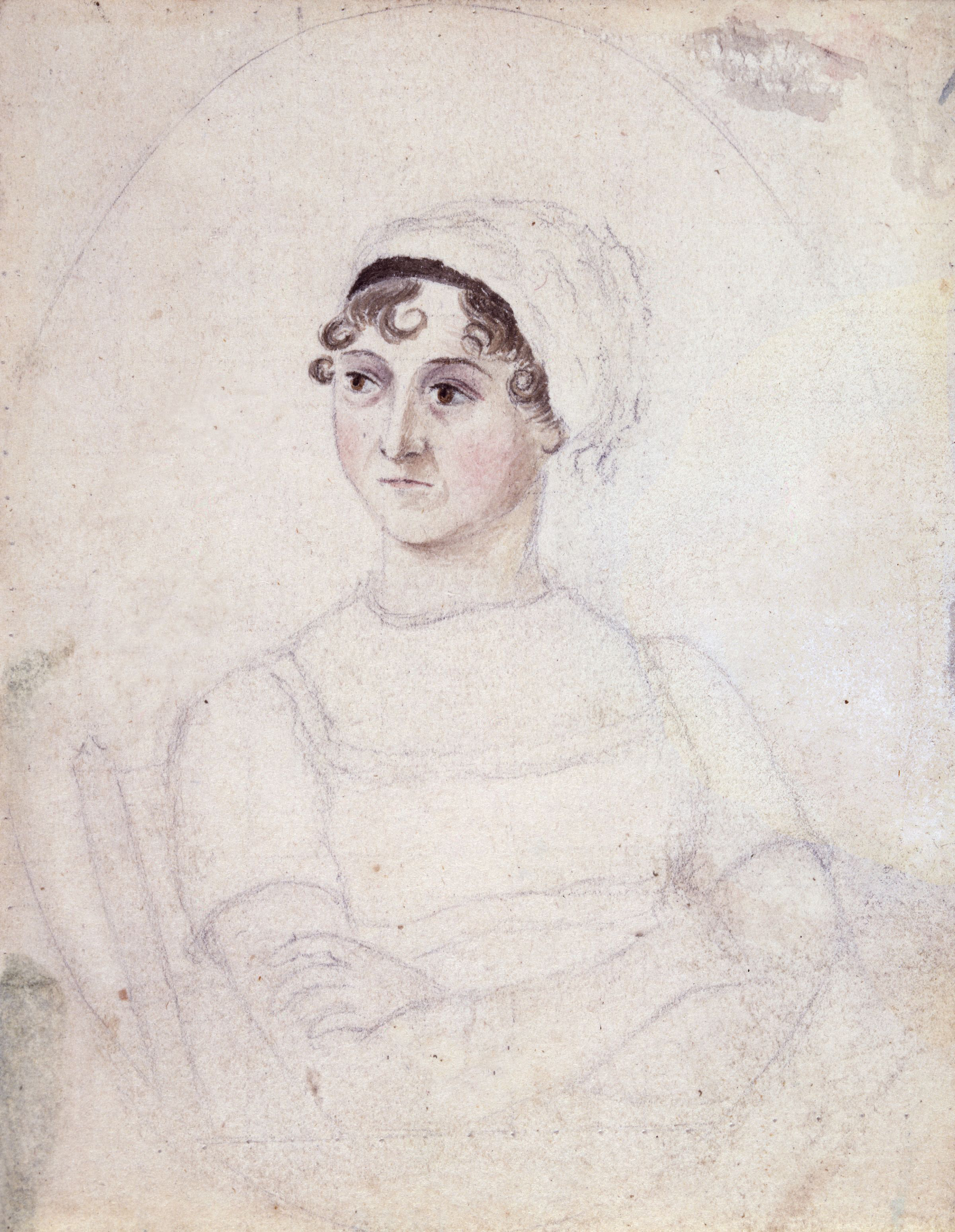
Jane Austen
Jane Austen was an English writer known primarily for her six novels, which implicitly interpret, critique, and comment on the English landed gentry at the end of the 18th century.

Cnut the Great
Cnut ( ; ; – 12 November 1035), also known as Canute and with the epithet the Great, was King of England from 1016, King of Denmark from 1018, and King of Norway from 1028 until his death in 1035. The three kingdoms united under Cnut's rule are referred to together as the North Sea Empire by historians.
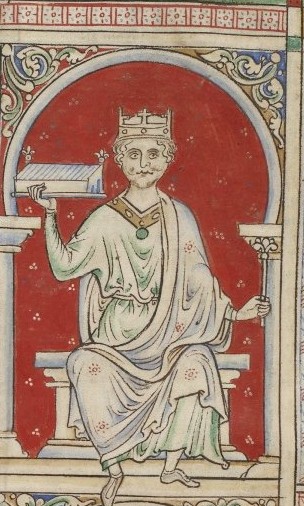
William II of England
King of England from 1087 to 1100
Eadwig
Eadwig (also Edwy or Eadwig All-Fair, 1 October 959) was King of England from 23 November 955 until his death in 959. He was the elder son of Edmund I and his first wife Ælfgifu, who died in 944. Eadwig and his brother Edgar were young children when their father was killed trying to rescue his seneschal from attack by an outlawed thief on 26 May 946. As Edmund's sons were too young to rule he was succeeded by his brother Eadred, who suffered from ill health and died unmarried in his early 30s.

Edred of England
Eadred (also Edred, – 23 November 955) was King of the English from 26 May 946 until his death in 955. He was the younger son of Edward the Elder and his third wife, Eadgifu. When his elder brother, Edmund I, was killed in 946, Edmund's two sons, Eadwig and Edgar, were young children, so Eadred became king. He suffered from ill health in the last years of his life and died in his early thirties, having never married. He was succeeded in turn by his nephews, Eadwig and Edgar.

Ecgberht
King of Wessex

Harthacanute
Harthacnut (c. 1018 – 8 June 1042) was King of Denmark from 1035, and King of England from 1040 until his death in 1042. He was the last monarch of the North Sea Empire, an empire consisting of England and Denmark, and was also the last monarch of the House of Knýtlinga.

Emma of Normandy
Norman princess and mother of Edward the Confessor

Æthelwulf
King of Wessex

Godwin, Earl of Wessex
Anglo-Saxon nobleman; son of Wulfnoth Cild
Izaak Walton
English author and biographer (1593-1683)
Cynewulf
8th-century English monarch
Henry Beaufort
Lord Chancellor of England; Bishop of Lincoln; Bishop of Winchester

Cynegils
thumb|upright=1.2|Map of British peoples c. 600
Elizabeth Montagu
British social reformer, patron of the arts, hostess, literary critic, and writer; (1718-1800)

Swithun
Swithun (or Swithin; ; ; died 2 July 863) was an Anglo-Saxon bishop of Winchester and subsequently patron saint of Winchester Cathedral. His historical importance as bishop is overshadowed by his reputation for posthumous miracle-working.
Cenwalh of Wessex
7th-century English monarch
Stephen Gardiner
English bishop (1483-1555)
Henry of Blois
Bishop of Winchester (c. 1096 – 1171)
Ælfgifu
wife of King Eadwig
Richard of Normandy
second son of William the Conqueror, King of England, and Matilda of Flanders
William of Wykeham
Bishop of Winchester; Lord Privy Seal of England; Lord Chancellor of England (1324-1404)

Richard Foxe
bishop (1447-1528)
William Giffard
Lord Chancellor of England of William II and Henry I
Henry Woodlock
bishop of Winchester
William Waynflete
Lord Chancellor of England; Bishop of Winchester
Charles Sumner
Bishop of Winchester; Bishop of Llandaff (1790-1874)
Godfrey de Luci
Bishop of Winchester
Walkelin
Walkelin () was the first Norman Bishop of Winchester. He began the construction of Winchester Cathedral in 1079 and had the Old Minster demolished. He reformed the cathedral's administration, although his plan to replace the monks with priests was blocked by the Archbishop of Canterbury, Lanfranc. Walkelin was important in beginning St Giles's Fair in Winchester and was greatly active in national politics. For example, he signed the Accord of Winchester, was involved in the Council of London in 1075, and sought to resolve a conflict between Anselm of Canterbury and William II. He was regent o
Thomas Langton
English Catholic bishop; (died 1501)