Category
page 1Cabaret

cabaret
thumb|Henri de Toulouse-Lautrec, [[At the Moulin Rouge, The Dance, 1890]]
Cabaret is a form of theatrical entertainment featuring music song, dance, recitation, or drama. The performance venue might be a pub, casino, hotel, restaurant, or nightclub with a stage for performances. The audience, often dining or drinking, does not typically dance but usually sits at tables. Performances are usually introduced by a master of ceremonies (M.C.). The entertainment, as performed by an ensemble of actors and according to its European origins, is often (but not always) oriented towards adult audiences an
Rodolphe Salis
French theatre director (1851-1897)
dark cabaret
genre of cabaret influenced by goth and punk
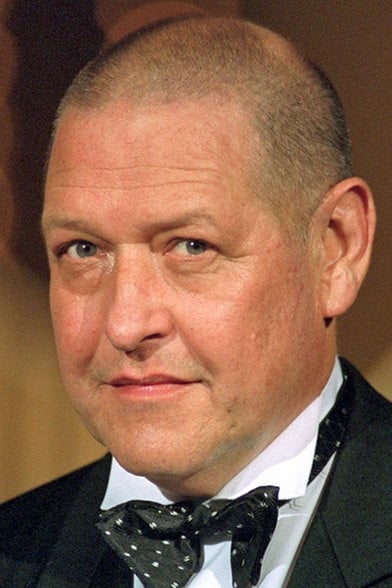
Diether Krebs
German actor (1947–2000)
Kabarett
Kabarett (; from French cabaret = tavern) is satirical revue, a form of cabaret which was developed in France by Rodolphe Salis in 1881 as the cabaret artistique. It was named Le Chat Noir and was centered on political events and satire. It later inspired creation of Kabarett venues in Germany from 1901, with the creation of Berlin's Überbrettl venue and in Austria with the creation of the Jung-Wiener Theater zum lieben Augustin housed in the Theater an der Wien. By the Weimar era in the mid-1920s it was characterized by political satire and gallows humor. It shared the characteristic atmosphe
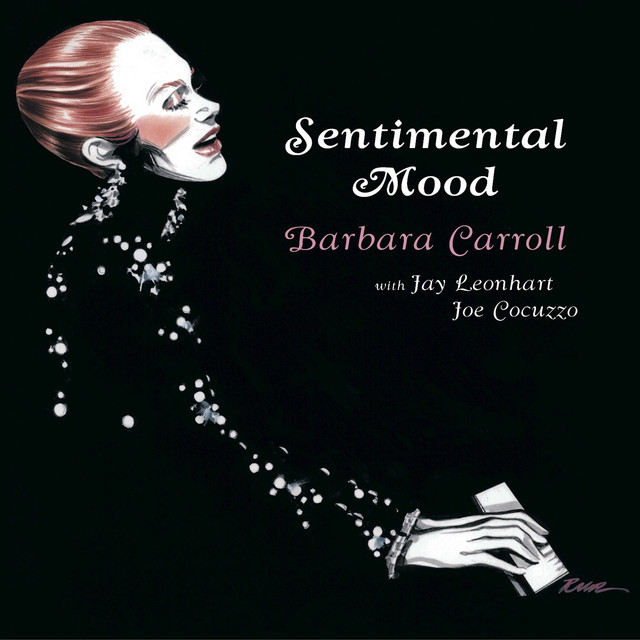
Barbara Carroll
Jazz pianist, composer and vocalist. (1925–2017)
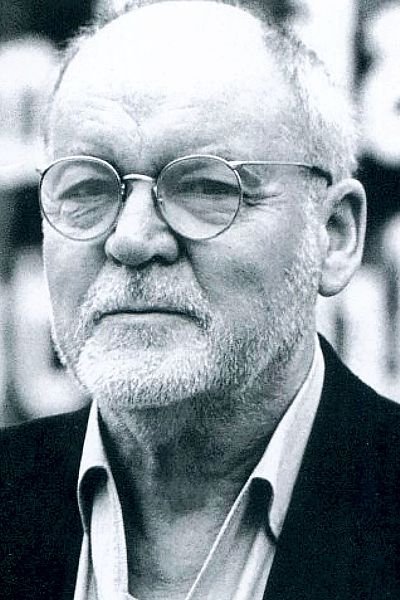
Hanns Dieter Hüsch
German author, cabaret artist, actor, songwriter and radio commentator (1925–2005)
Überbrettl
thumb|300px|Überbrettl in 1901 on Alexanderstraße
Überbrettl (; English: ) was the first venue in Germany for literary cabaret, or Kabarett, founded 1901 in Berlin by Ernst von Wolzogen. The German Kabarett concept was imported from French venues like Le Chat Noir in Paris, from which it kept the characteristic atmosphere of intimacy. But the German type developed its own peculiarities, most prominently its characteristic gallows humour.