Category
page 1Capreolinae

Rangifer tarandus
The reindeer or caribou (Rangifer tarandus) is a species of deer with circumpolar distribution, native to Arctic, subarctic, tundra, boreal, and mountainous regions of Northern Europe, Siberia, and North America. It is the only representative of the genus Rangifer. More recent studies suggest the splitting of reindeer and caribou (North American terminology). "All caribou and reindeer throughout the world are considered to be the same species, but there are 7 subspecies."

Marsh deer
species of mammal

Pampas deer
species of mammal

Brocket deer
genus of mammals

Pudú
The pudus (Mapudungun püdü or püdu, , ) are two species of South American deer from the genus Pudu, and are the world's smallest deer. The chevrotains (mouse-deer; Tragulidae) are smaller, but they are not true deer. The name is a loanword from Mapudungun, the language of the indigenous Mapuche people of central Chile and south-western Argentina. The two species of pudus are the northern pudu (Pudu mephistophiles) from Venezuela, Colombia, Ecuador, and Peru, and the southern pudu (Pudu puda; sometimes incorrectly modified to Pudu pudu) from southern Chile and south-western Argentina. Pudus ran

Southern pudu
species of mammal
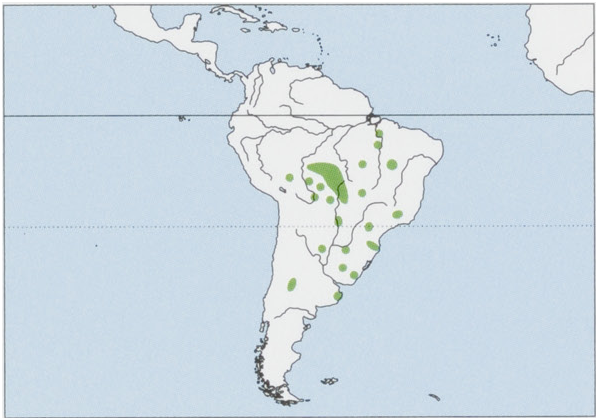
Hippocamelus antisensis
The taruca (Hippocamelus antisensis), also known as the taruka, Peruvian guemal, north Andean deer, north Andean huemul, northern huemul or northern guemal, is a mid sized deer species that inhabits the high regions of the Andes mountains in South America. The common name taruca means "deer" in both the Quechua and Aymara languages. The taruca is closely related to the southern guemal (H. bisulcus), the only other member of the Hippocamelus genus.

Odocoileus
Odocoileus is a genus of medium-sized deer (family Cervidae) containing three species native to the Americas. The name, sometimes spelled odocoeleus, is a contraction of the Greek root odont-, meaning "tooth," and -coelus, New Latin for "hollow".

South Andean deer
species of mammal
Capreolinae
The Capreolinae (synonym Odocoileinae Pocock, 1923) are a subfamily of deer. The scientific name derives from its type genus, Capreolus. Alternatively, they are known as the telemetacarpal deer, due to their bone structure being different from the plesiometacarpal deer subfamily Cervinae. The telemetacarpal deer maintain their distal lateral metacarpals, while the plesiometacarpal deer maintain only their proximal lateral metacarpals.
The Capreolinae are believed to have originated in the Middle Miocene, between 7.7 and 11.5 million years ago, in Central Asia.

Mazama rufina
species of mammal
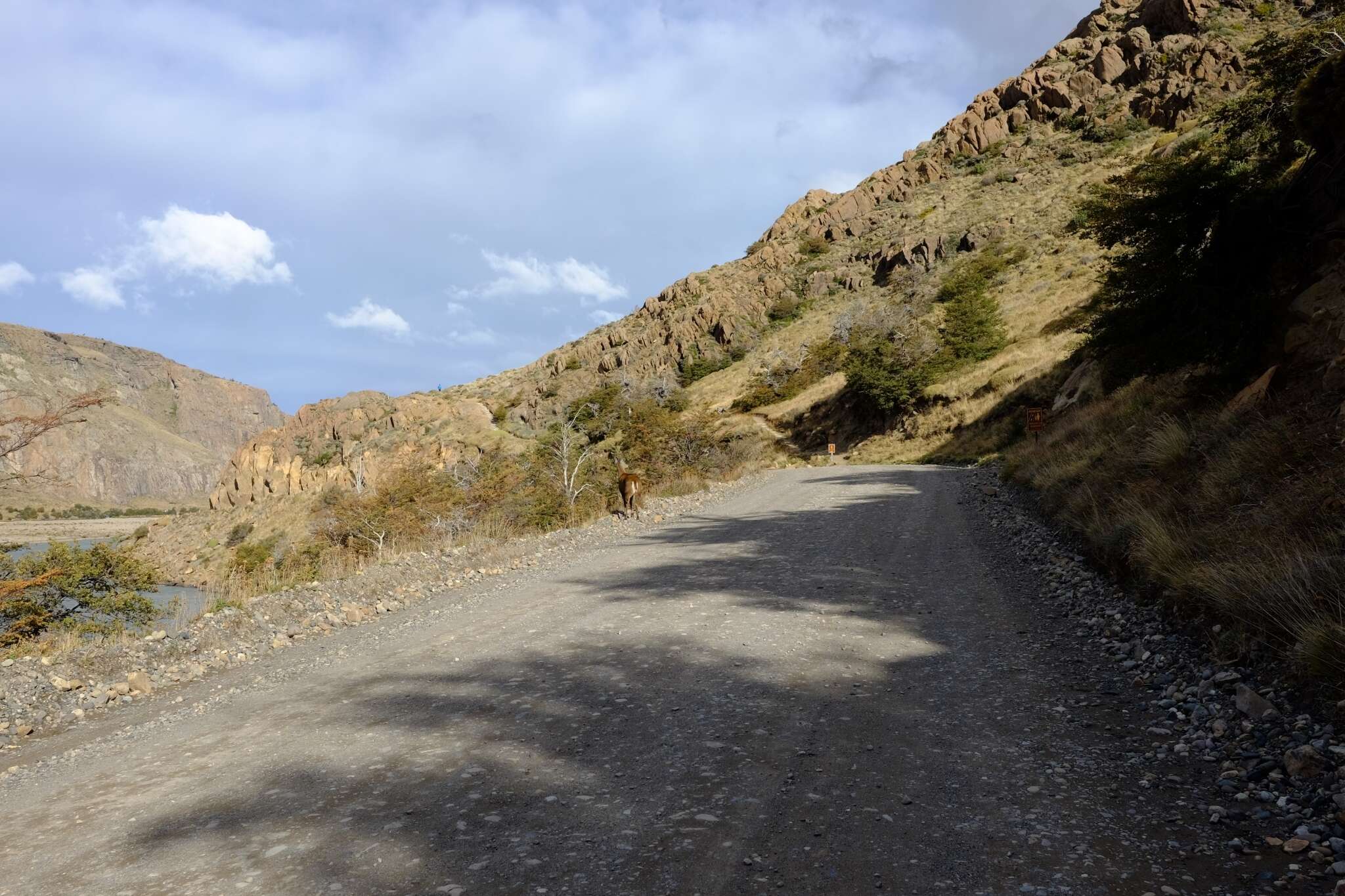
Hippocamelus
Hippocamelus is a genus of Cervidae, the deer family. It comprises two extant Andean and two fossil species. The living members are commonly known as the huemul (from the Mapuche language), and the taruca, also known as the northern huemul.

Pudella carlae
species of mammal
Pudella
Pudella is a genus of New World deer containing the following two species:
Capreolini
Capreolini is a tribe of deer, containing two extant genera and one extinct genus. There are currently three extant species: the water deer, which is the only member of the genus Hydropotes, and European and Siberian roe deer, who comprise the genus Capreolus.
Pudella mephistophiles
species of mammal
Morenelaphus
Morenelaphus is an extinct genus of capreoline deer that lived in South America during the Pleistocene, ranging from the Pampas to southern Bolivia and Northeast Brazil. There is only a single recognised species, Morenelaphus brachyceros. It was a large deer, with some specimens estimated to exceed 200 kilograms in body mass. The antlers were over 70 cm in length, and are superficially similar those of deer belonging to the subfamily Cervinae, like red deer. Fossils of the genus have been recovered from the Agua Blanca, Fortín Tres Pozos and Luján Formations of Argentina, the Ñuapua Formation
Antifer
Antifer is an extinct genus of large herbivorous deer belonging to the tribe Odocoileini native to South America during the Pleistocene, becoming extinct around 12,000 years ago. It was one of the largest South American deer genera, with an estimated body mass of up to , comparable to red deer, considerably exceeding the marsh deer, the largest living South American deer species in size. The genus has large antlers that could reach a length of over .
Alceini
Alceini is a tribe of deer, containing the extant genus Alces and the extinct genera Cervalces and Libralces. The only extant species in this tribe is the moose.
Libralces
Libralces was a dubious genus of Eurasian deer that lived during the Pliocene epoch. It is notable for its 2+ meter wide antlers, comparable in size to those of Megaloceros.