Category
page 1Carbon dioxide

carbon dioxide
chemical compound
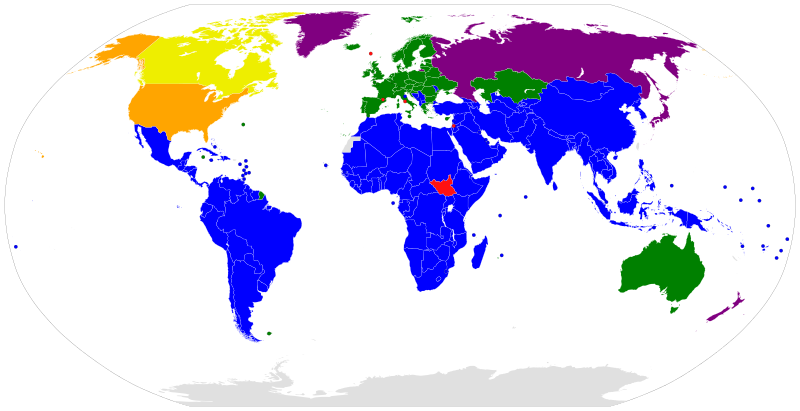
Kyoto Protocol
international treaty to reduce greenhouse gas emissions

dry ice
solid carbon dioxide
limnic eruption
very rare type of natural disaster in which dissolved carbon dioxide (CO2) suddenly erupts from deep lake waters, forming a gas cloud capable of suffocating wildlife, livestock, and humans
global warming potential
estimate of how an atmospheric gas affects global climate change
Keeling curve
graph of the accumulation of CO2 in the Earth's atmosphere in Hawaii since 1958
list of countries by carbon dioxide emissions
Wikimedia list article
carbon sink
natural or artificial process in which something absorbs more carbon from the atmosphere than it releases
carbon dioxide in the atmosphere of Earth
atmospheric constituent; greenhouse gas
Sarco pod
euthanasia device
Cave of Dogs
cave in Italy
carbon-neutral
type of fuel which have no net greenhouse gas emissions
supercritical carbon dioxide
carbon dioxide above its critical point
Lake Nyos disaster
1986 disaster in Cameroon due to a limnic eruption of Lake Nyos
direct air capture
method of carbon capture from carbon dioxide in air
carbon dioxide sensor
instrument for the measurement of carbon dioxide gas
carbon dioxide scrubber
device which absorbs carbon dioxide
electrochemical reduction of carbon dioxide
TanSat
TanSat, also known as CarbonSat, is a Chinese Earth observation satellite dedicated to monitoring carbon dioxide in Earth's atmosphere. It is generally classified as a minisatellite, and is the first dedicated carbon mission of the Chinese space program. The mission was formally proposed in 2010, and work began in January 2011. It is funded by the Ministry of Science and Technology (MOST) and was built by the Shanghai Institute of Microsystem And Information Technology (SIMIT).
Eyes
Round holes in Swiss-type cheese
Mazuku
thumb|Mazuku forming in a low morphological depression on the foothills of Mt. Amiata, Italy, where CO2-rich fog accumulates in a ditch
Mazuku (Swahili for "evil winds") are pockets of dry, cold carbon dioxide-rich gases released from vents or fissures in volcanically and tectonically active areas, mixed with dispersed atmospheric air and accumulating in typically low-lying areas. Since carbon dioxide (CO2) is ~1.5 times heavier than air, it tends to flow downhill, hugging the ground like a low fog and gathering in enclosed spaces with poor ventilation—such as lava tubes, ditches, depressions,