Category
page 1Caryophyllales tribes
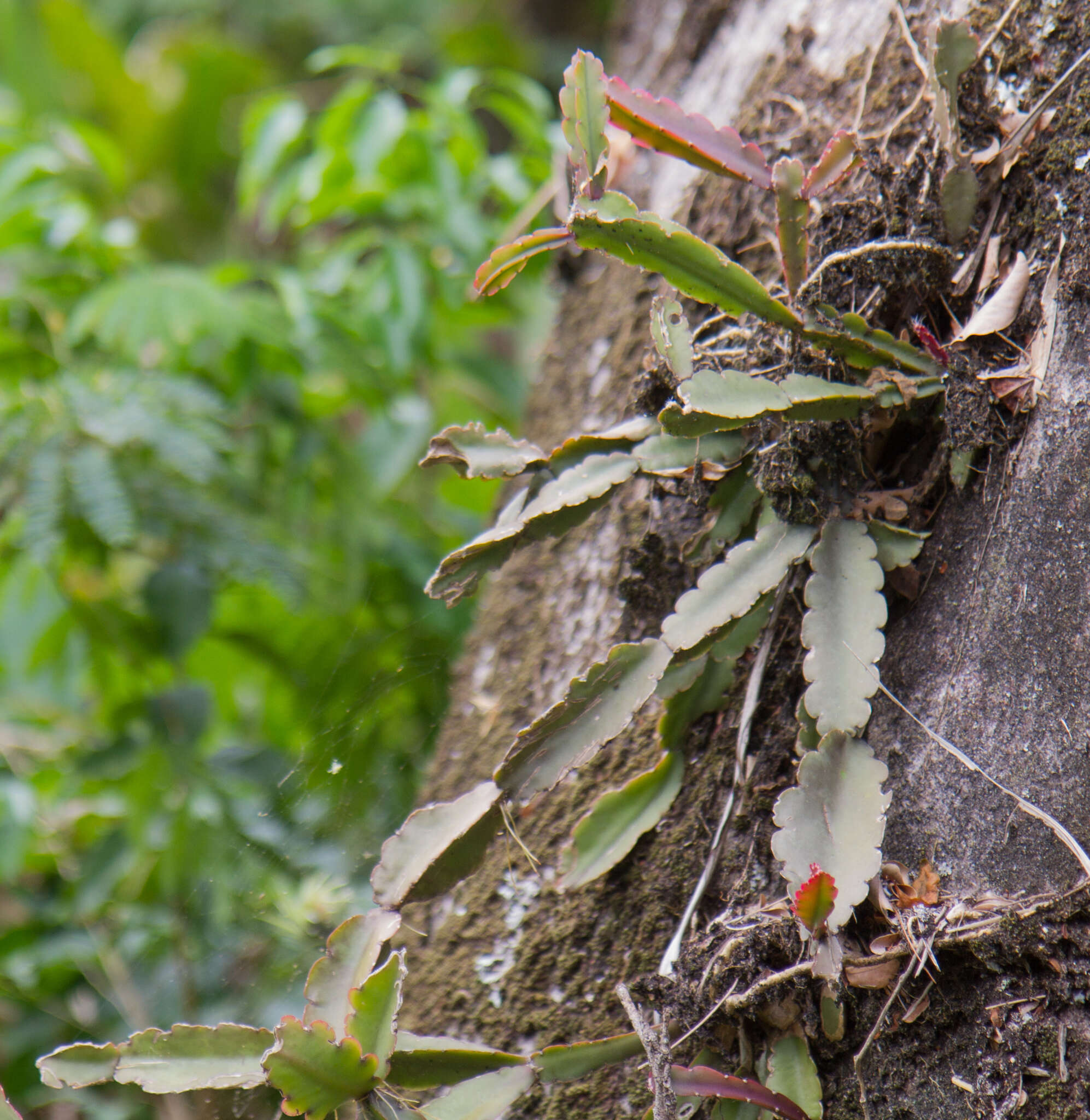
Rhipsalideae
The Rhipsalideae are a small tribe of cacti, comprising four or five genera (and around 60 species). They grow on trees (epiphytes) or on rocks (lithophytes), where they either hang down or form creeping or upright shrubs. Their flowers open in the day and remain open at night; they may be either radially symmetrical (regular) or bilaterally symmetrical (zygomorphic). The fruits are berry-like, fleshy with smallish seeds.

Trichocereeae
Trichocereinae is a subtribe of cactus that are particular to South America. There are 28 recognized genera in this subtribe.
Cereeae
Cereeae is a tribe of cacti belonging to the subfamily Cactoideae containing about 50 genera, divided in 2023 among six subtribes.

Cacteae
Cacteae is a tribe of plants of the family Cactaceae found mainly in North America especially Mexico. , the internal classification of the family Cactaceae remained uncertain and subject to change. A classification incorporating many of the insights from the molecular studies was produced by Nyffeler and Eggli in 2010. The main threats to cactus species are poaching, farming, mining developments, and climate change.
Hylocereeae
The Hylocereeae are a tribe of cacti. Most are found in the tropical forests of Central and northern South America, and are climbers or epiphytes, unlike most cacti. The tribe includes between six and eight genera in different circumscriptions. The plants known as "epiphyllum hybrids" or "epiphyllums", widely grown for their flowers, are hybrids of species within this tribe, particularly Disocactus, Pseudorhipsalis and Selenicereus, less often Epiphyllum, in spite of the common name.

Notocacteae
Notocacteae is a tribe of cacti belonging to the subfamily Cactoideae. It is one of the oldest cactus lineages endemic to South America.
==Description==
Notocacteae are mostly single, rarely tree-like or shrub-like plants. Their mostly spherical, non-articulated shoots are ribbed, ribbed-warty or warty. The small to medium-sized, polysymmetrical to disymmetrical flowers open during the day. Their pericarpel has small scales. The areoles bear bristles or hairs. The fruits that burst or do not burst are usually dry and rarely berry-like. The small to medium-sized seeds are diverse in shape. The
Echinocereeae
The Echinocereeae are a tribe of cacti in the subfamily Cactoideae. Since 2006, the tribe has included the former tribe Pachycereeae in many treatments of cactus classification. The exact circumscription of the tribe has been subject to considerable change, particularly since molecular phylogenetic approaches have been used in determining classifications, and remains uncertain. The tribe includes large treelike species, such as the saguaro (Carnegiea gigantea), as well as shorter shrubby species. Most members of the tribe are found in desert regions, particularly in Mexico and the southwestern
Camphorosmeae
Camphorosmeae is a species-rich tribe of the Amaranthaceae, formerly Chenopodiaceae, with 20 genera and about 179 species. It is classified as a single tribe of subfamily Camphorosmoideae.
Atripliceae
Atripliceae is a tribe of the subfamily Chenopodioideae belonging to the plant family Amaranthaceae. Atriplex is the largest genus of the tribe. Species of Atripliceae are ecologically important in steppe and semi-desert climates.