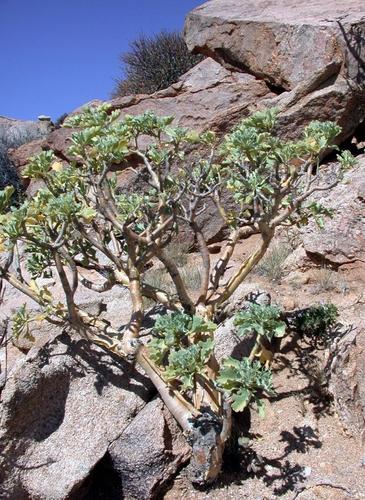
(c) Jean Audissou, some rights reserved (CC BY-NC), uploaded by Jean Audissou · cc-by-nc
Cacteae
Sign in to saveCacteae is a tribe of plants of the family Cactaceae found mainly in North America especially Mexico. , the internal classification of the family Cactaceae remained uncertain and subject to change. A classification incorporating many of the insights from the molecular studies was produced by Nyffeler and Eggli in 2010. The main threats to cactus species are poaching, farming, mining developments, and climate change.
Species
Corkbark Babooncabbage
species
via
Wikidata facts
- Instance of
- taxon
- Parent taxon
- Cactoideae
- Image
- Echinocactus polycephalus.jpeg
Show 5 more facts
- taxon name
- Cacteae
- taxon rank
- tribe
- Commons category
- Cacteae
- topic's main category
- Category:Cacteae
Sources (1)
via Wikidata · CC0
~12 min read
Encyclopedic overview
3 sectionsContents
- Description
- Genera
- References
Cacteae is a tribe of plants of the family Cactaceae found mainly in North America especially Mexico. , the internal classification of the family Cactaceae remained uncertain and subject to change. A classification incorporating many of the insights from the molecular studies was produced by Nyffeler and Eggli in 2010. The main threats to cactus species are poaching, farming, mining developments, and climate change.
==Description== The spherical to short columnar plants grow individually or in cushions. Their size varies from dwarf (Turbinicarpus) to huge (Ferocactus). The non-segmented shoot axis is ribbed (Echinocactus), warty (Coryphantha) or ribbed-warty. The size and shape of the warts ranges from long and leafy (Leuchtenbergia) to broad with flat axillae (Turbinicarpus). The areoles are usually oval, ribbon-like, grooved, or dimorphic. The small to medium-sized, regular to rarely bilaterally symmetrical flowers appear below the crown and open during the day. The fruits are fleshy to juicy berry-like, with a scaly to glabrous pericarp. They are bursting to non-bursting or simply crumbling. The small to large seeds vary in shape and surface structure of the seed coat.
Excerpted from Wikipedia’s “Cacteae” article, available under the CC BY-SA 4.0 licence.
Gallery (21)
Available in 15 languages
- Español
- Français
- Deutsch
- Italiano
- العربية
- Bahasa Indonesia
- Belarusian
- Croatian
- Egyptian Arabic
- Finnish
- Hungarian
- Svenska
- Ukrainian
- فارسی
via Wikidata sitelinks · CC0