Category
page 1Catastrophism

William Thomson, 1st Baron Kelvin
British physicist and engineer (1824–1907)
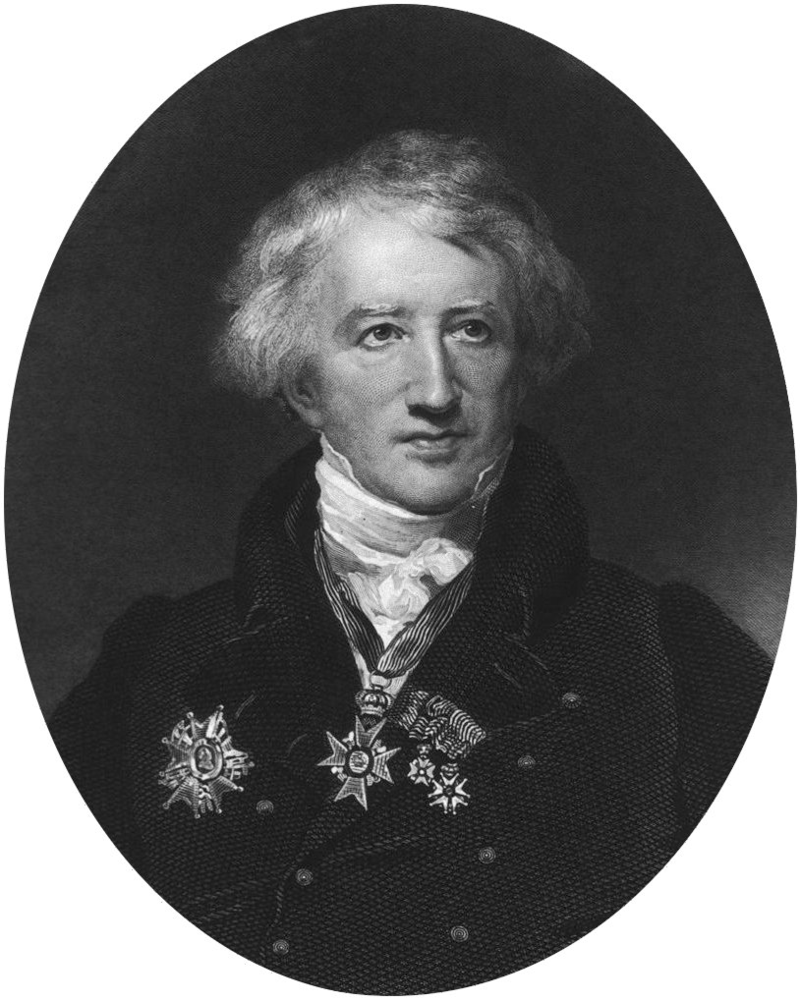
Georges Cuvier
French naturalist, zoologist and paleontologist (1769–1832)
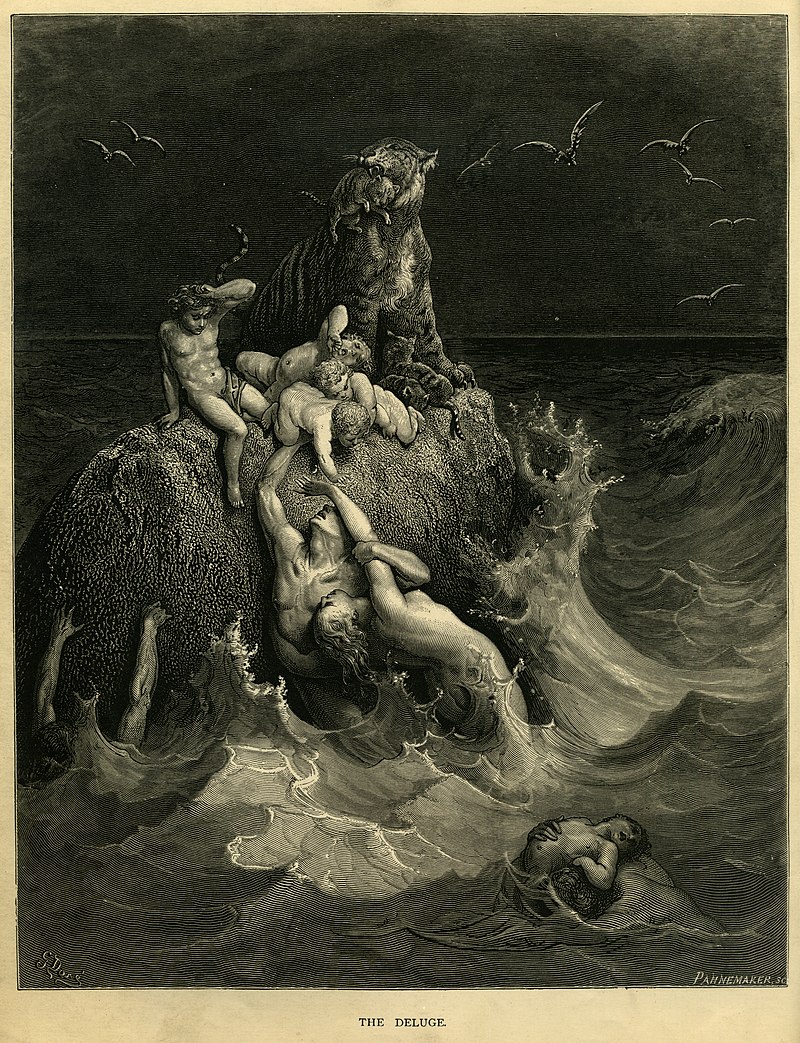
deluge myth
narrative in which a great flood destroys a civilization, commonly as divine retribution
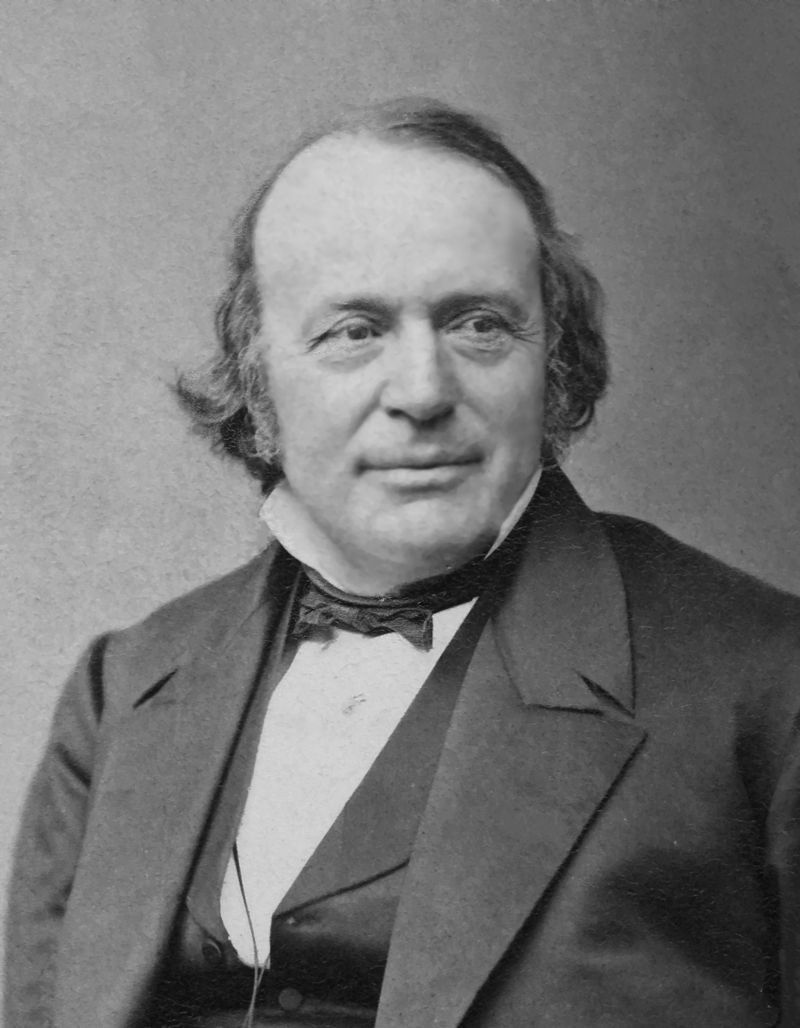
Louis Agassiz
Swiss-American naturalist (1807–1873)

William Buckland
English clergyman, geologist and palaeontologist (1784-1856)

Alcide d'Orbigny
French scientist (1802–1857)

James Parkinson
English surgeon, apothecary, geologist, paleontologist, and political activist
Adam Sedgwick
English geologist (1785–1873)

catastrophism
thumb|The discoveries of different layers of fossils, such as those containing Palaeotherium and [[Anoplotherium (pictured), by Georges Cuvier led him to believe that series of catastrophic events wiped out worlds before the modern one.]]
In geology, catastrophism is the theory that the Earth has largely been shaped by sudden, short-lived, violent events, possibly worldwide in scope.
This contrasts with uniformitarianism (sometimes called gradualism), according to which slow incremental changes, such as erosion, brought about all the Earth's geological features. The proponents of uniformitari
Immanuel Velikovsky
Russian, Israeli and American author (1895–1979)

Déodat Gratet de Dolomieu
French geologist, volcanologist and mineralogist (1750-1801)
William Whiston
theologian, historian, mathematician, and translator (1667-1752)
Joachim Barrande
geologist, paleontologist and engineer (1799–1883)
Hanns Hörbiger
Austrian inventor and scientist (1860-1931)
James P. Hogan
British writer (1941–2010)
Edward Hitchcock
United States geologist and Congregationalist clergyman (1793-1864)
Oera Linda Book
possibly hoax manuscript
Henry Hoyle Howorth
British politician and historian (1842-1923)
Charles Hapgood
American historian (1904-1982)
Claude F. A. Schaeffer
French archaeologist (1898–1982)

Welteislehre
thumb|The 1925 "Journal of World Ice Theory"
' (WEL; "World Ice Theory" or "World Ice Doctrine"), also known as ' (Glacial Cosmogony), is a discredited cosmological concept proposed by Hanns Hörbiger, an Austrian engineer and inventor. According to his ideas, ice was the basic substance of all cosmic processes, and ice moons, ice planets, and the "global ether" (also made of ice) had determined the entire development of the universe. Hörbiger did not arrive at his ideas through research, but said that he had received it in a "vision" in 1894. He published a book about the theory in 1912 and he
Patrick Matthew
British scientist
J Harlen Bretz
American geologist who discovered the Missoula Floods (1882-1981)
Otto Schindewolf
German paleontologist (1896-1971)
Grigory Razumovsky
Russian naturalist (1759-1837)
Victor Clube
English astrophysicist

George McCready Price
Canadian creationist (1870–1963)
Alfred de Grazia
American political scientist (1919-2014)
Kenneth Hsu
professor, Swiss Federal Institute of Technology, Zuerich, Switzerland
Bill Napier
British astronomer and writer

Worlds in Collision
book by Immanuel Velikovsky