Category
page 1Causal inference
experiment
thumb|Apollo 15 astronaut [[David Scott performs a gravity test on the Moon with a hammer and feather (1971).]]
thumb|right|160px|Even very young children perform rudimentary experiments to learn about the world and how things work.
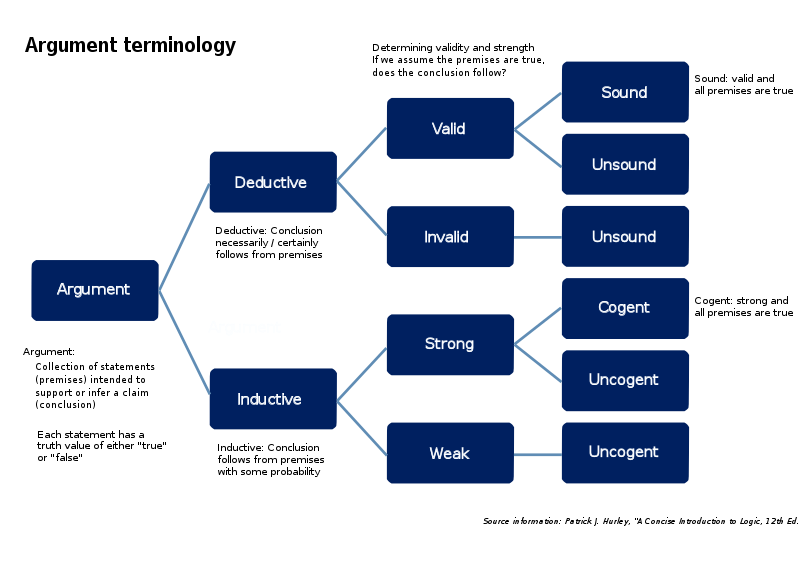
inductive reasoning
method of reasoning in which a body of observations is synthesized to hypothesize a general principle

randomized controlled trial
experimental method designed to reduce bias, typically accomplished by randomly allocating subjects to two or more groups, with one being a control group
Bayesian network
probabilistic graphical model that represents a set of variables and their conditional dependencies via a directed acyclic graph
Simpson's paradox
phenomenon in probability and statistics, in which a trend appears in several different groups of data but disappears or reverses when these groups are combined
cum hoc ergo propter hoc
latin phrase

confounding
class=skin-invert-image|thumb|upright=1.3|Whereas a mediator is a factor in the causal chain (above), a confounder is a spurious factor incorrectly implying causation (bottom)
selection bias
selection of individuals, groups or data for analysis such that proper randomization is not achieved
causal inference
process of drawing a conclusion about a causal connection based on the conditions of the occurrence of an effect
difference in differences
social sciences statistical technique that mimics an experimental research design using observational study data by studying the differential effect of a treatment on a 'treatment group' versus a 'control group' in a natural experiment
Mendelian randomization
statistical method in genetic epidemiology
internal validity
extent to which a piece of evidence supports a claim about cause and effect
external validity
validity of applying the conclusions of a scientific study outside the context of that study
Rubin causal model
method of statistical analysis
collider
statistical variable
random assignment
process involving chance used in research for allocating experimental subjects to groups
qualitative comparative analysis
technique for solving the problems that are caused by making causal inferences on the basis of only a small number of cases
propensity score matching
statistical matching technique to estimate an intervention’s effect by accounting for the covariates that predict receiving the treatment, reducing the bias due to confounding variables
field experiment
experiment conducted outside the laboratory