Category
page 1Ceramic glazes
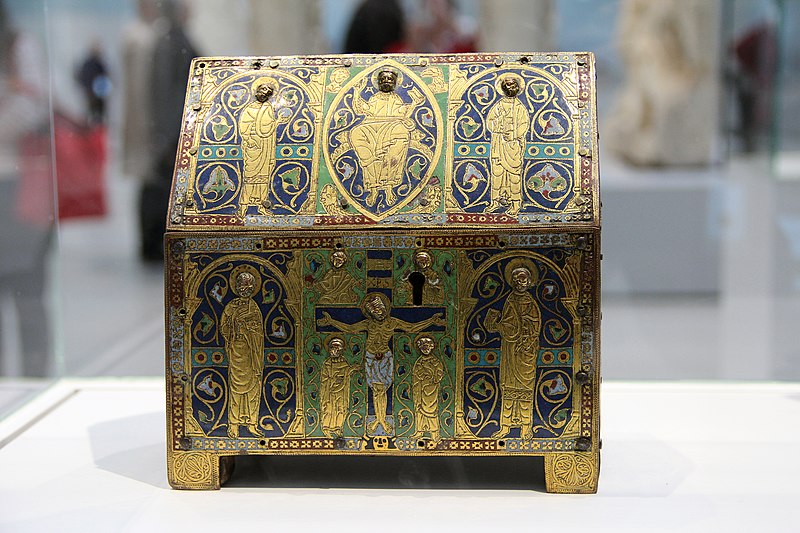
vitreous enamel
material made by fusing powdered glass to a substrate by firing

ceramic glaze
layer or coating of vitreous substance fused to a ceramic object
raku ware
type of Japanese pottery traditionally used in tea ceremonies

celadon
Celadon () is a term for pottery denoting both wares glazed in the jade green celadon color, also known as greenware or "green ware" (the term specialists now tend to use), and a type of transparent glaze, often with small cracks, that was first used on greenware, but later used on other porcelains. Celadon originated in China, though the term is purely European, and notable kilns such as the Longquan kiln in Zhejiang province are renowned for their celadon glazes. Celadon production later spread to other parts of East Asia, such as Japan and Korea, as well as Southeast Asian countries, such a
.jpg)
lusterware
thumb|Staffordshire pottery jug, c. 1815
Lustreware or lusterware (the respective spellings for British English and American English) is a type of pottery or porcelain with a metallic glaze that gives the effect of iridescence. It is produced by metallic oxides in an overglaze finish, which is given a second firing at a lower temperature in a "muffle kiln", or a reduction kiln, excluding oxygen.
Egyptian faience
type of Ancient Egyptian sintered-quartz ceramic

tenmoku
thumb|White tenmoku Ofuke ware bowl, medium stoneware with rice-straw [[ash glaze, between 1700–1850 Edo period ]]
Tenmoku (天目, also spelled "temmoku" and "temoku") is a type of glaze that originates in imitating Chinese Jian ware (建盏) of the southern Song dynasty (1127–1279), original examples of which are also called tenmoku in Japan.
sang de boeuf glaze
deep red ceramic glaze
salt glaze
ceramic glaze
cuerda seca
technique used when applying coloured glazes to ceramic surfaces
ash glaze
ceramic glazes which were formulated from wood-ash