Category
page 1Chalcidoidea

Chalcidoidea
superfamily of insects
%20Figure%2014.jpg)
Chalcididae
thumb|226px|Epitranus clavatus

Eucharitidae
thumb|Latina (genus)|Latina rugosa planidia (arrows, magnified) attached to an ant larva
thumb|Stilbula quinqueguttata from Australia

Leucospidae
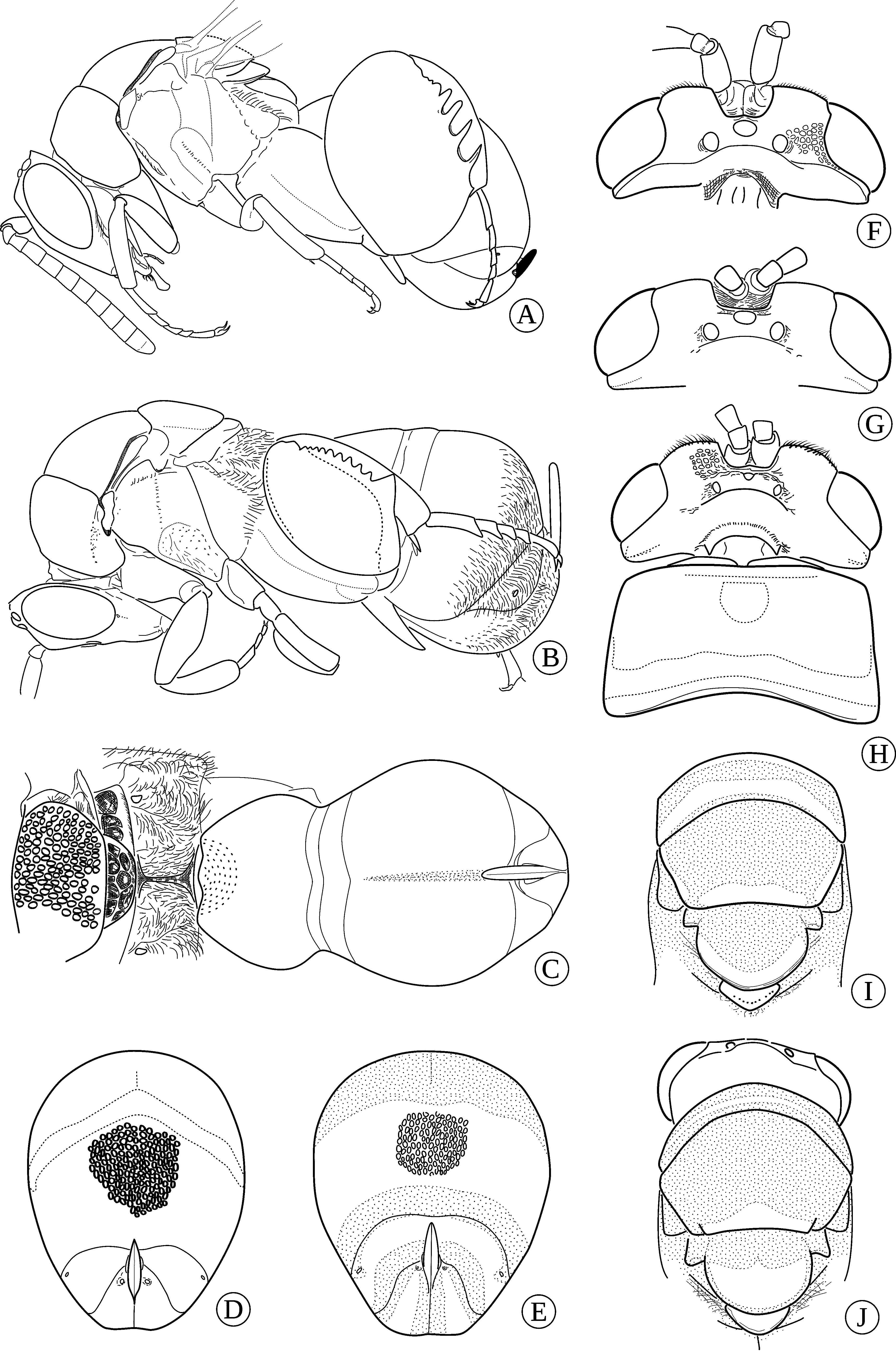
The Leucospidae (sometimes incorrectly spelled Leucospididae) are a specialized group of wasps within the superfamily Chalcidoidea, that are ectoparasitoids of aculeate wasps or bees. They are typically mimics of bees or stinging wasps, often black with yellow, red, or white markings, sometimes metallic, with a robust mesosoma and very strong sculpturing. The hind femora are often greatly enlarged, with a row of teeth or serrations along the lower margin as in Chalcididae. The wing has a longitudinal fold. The female ovipositor is sometimes short, but if not, it is recurved and lies along the

Signiphoridae
Signiphoridae (historically also known as Thysanidae) is a small family of parasitic wasps in the superfamily Chalcidoidea. The roughly 80 species are placed in four genera.

Torymidae
Torymidae is a family of wasps in the superfamily Chalcidoidea. Most species in this family are small with attractive metallic coloration, and females generally have long ovipositors. Many are parasitoids on gall-forming insects, and some are phytophagous (plant-eating) species, sometimes using the galls formed by other insects. Over 960 species in about 70 genera are found worldwide. They are best recognized in that they are one of the few groups of Chalcidoidea in which the cerci are visible.
right|thumb|Torymus female
Ormyridae
The Ormyridae are a small family of parasitic wasps in the superfamily Chalcidoidea. They are either parasitoids or hyperparasitoids on gall-forming insects, primarily cynipid wasps and tephritid flies. There are 153 species, mostly in the genus Ormyrus); the family has a worldwide distribution, although almost entirely absent from South America.

Perilampidae
The Perilampidae are a small family within the Chalcidoidea, composed mostly of hyperparasitoids. The family is closely related to the Eucharitidae, Chrysolampidae, and Eutrichosomatidae. As presently defined, six genera are described worldwide. They are often brilliantly metallic (especially blue or green), with robust mesosomae and a small, triangular metasomae. They are generally very strongly sculptured. The prothorax is typically very broad and disc-like, and the labrum is multidigitate, a feature shared with the Eucharitidae.
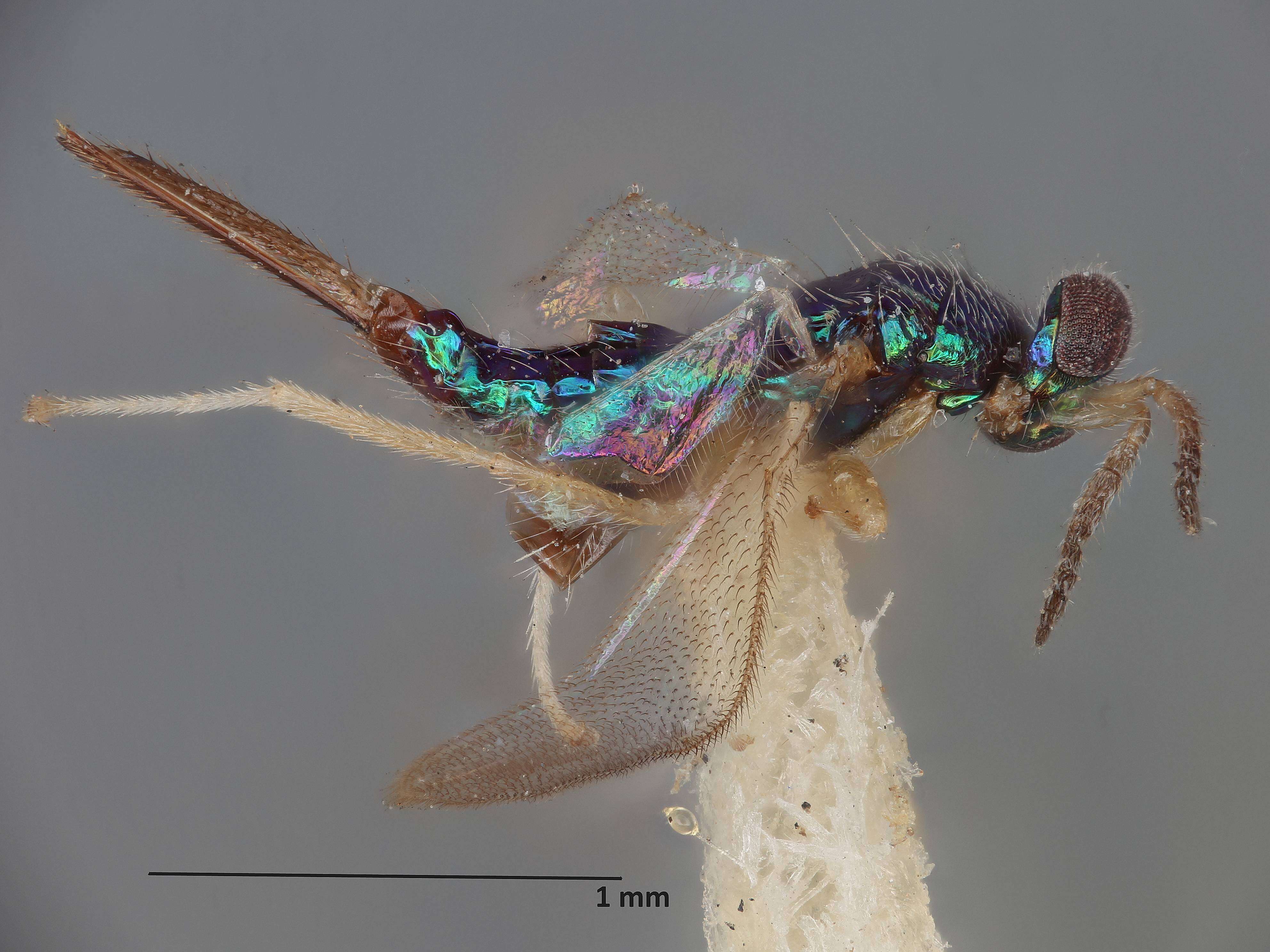
Tetracampidae
The Tetracampidae are a small family of parasitic wasps in the superfamily Chalcidoidea. They are parasitoids of phytophagous insects, primarily flies. The 44 species in 15 genera are almost entirely absent from the New World.
Tanaostigmatidae
The Tanaostigmatidae are a small family of parasitic wasps in the superfamily Chalcidoidea. They are almost exclusively phytophagous insects, forming galls in plant stems, leaves, or seeds. The some 90 species in 9 genera are primarily tropical and subtropical.
Torymus
Torymus is a genus of chalcid wasps from the family Torymidae, and there are more than 400 spp. worldwide. It was named by the Swedish naturalist Johan Wilhelm Dalman in 1820. Most species are ectoparasitoids of gall forming insects, usually gall wasps and gall midges.
thumb|left|Torymus sp., female

Ablerus
thumb|226px|Female Ablerus atomon, wing detail

Macromesus
Macromesus is a genus of parasitic wasps. It is the only genus belonging to the family Macromesidae.

Ormyrus
Ormyrus is a genus of chalcid wasps in the family Ormyridae. There are 145 described species in Ormyrus.
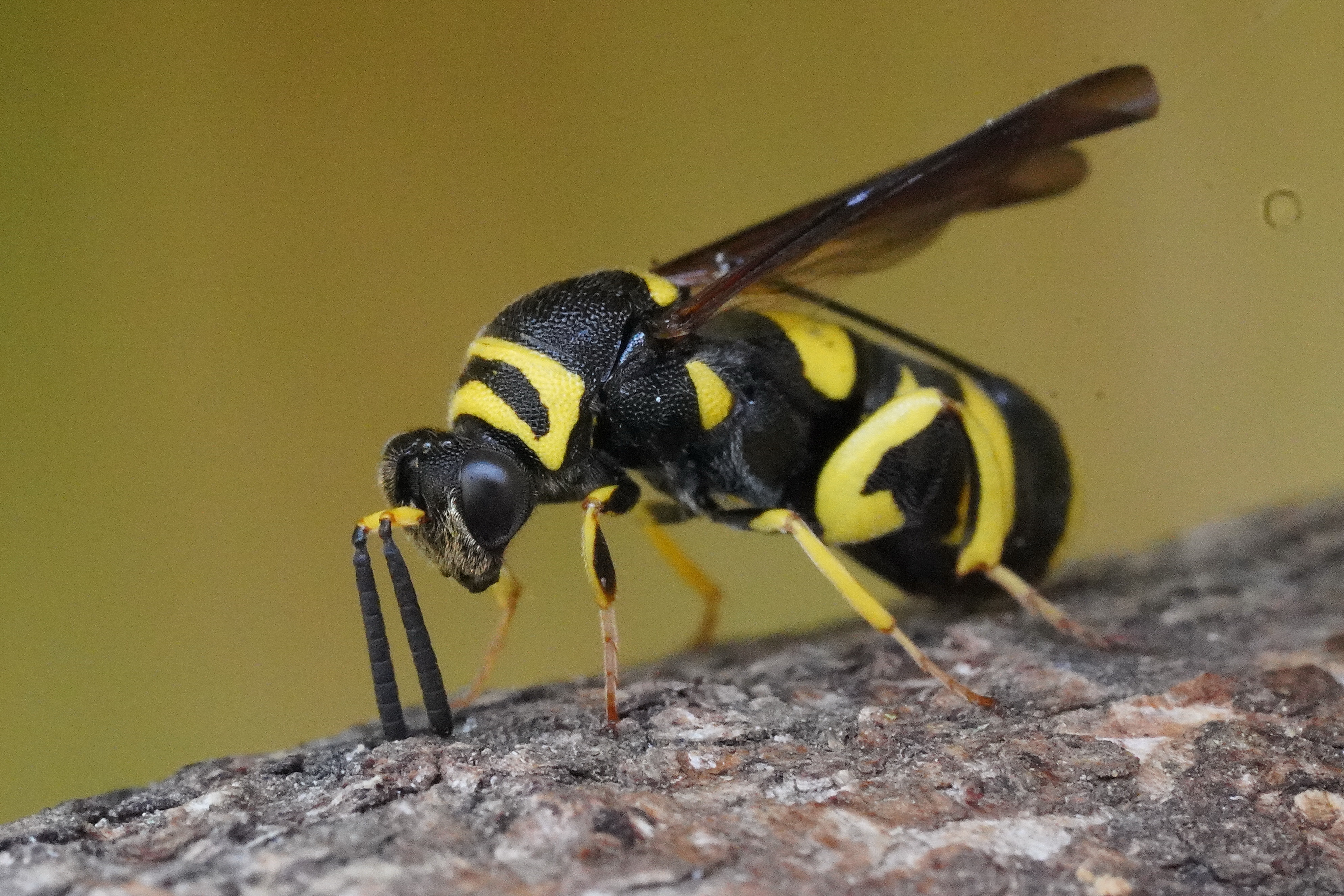
Leucospis dorsigera
species of insect
Leucospis
thumb|Leucospis gigas
Leucospis is a genus of wasps belonging to the family Leucospidae. Most species are brightly coloured with yellow and black patterning and about 2 cm long. They have characteristically enlarged femurs on the hind leg, with the lower margin toothed. The wings have a longitudinal fold and the long ovipositor is bent over their backs above the abdomen or metasoma. They are parasitic on wasps and solitary bees that construct cells and provision food for their offspring. The Leucospis larvae live and grow as ectoparasites of the host larvae. Usually, only one parasite emerges
Brachymeria
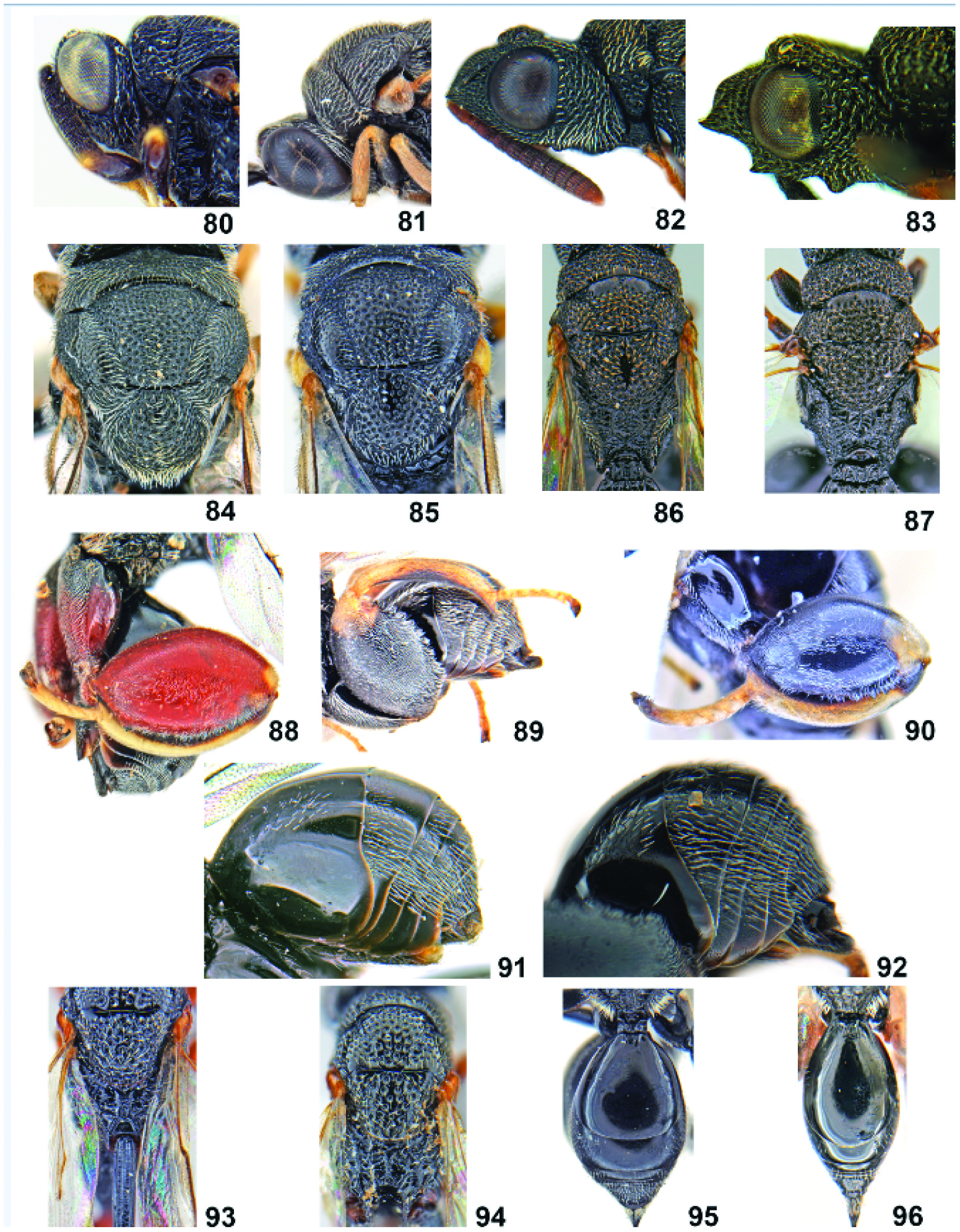
Brachymeria is a genus of parasitic wasps in the family Chalcididae. Over 300 species are known worldwide, all of them parasites of insect pupae. Most species are black with limited yellow markings, and like most chalcidid wasps, they have enlarged hind femora. The female typically lays eggs inside the pupae of a lepidopteran using its ovipositor. Although mostly parasitic on Lepidoptera, a few are hyperparasites (parasites of parasitic Hymenoptera and Diptera), or attack other types of insect larvae (such as Polistes erythrocephalus). The adult parasites emerge typically from the host pupa. S
Chalcis
genus of insects
Theocolax
Theocolax is a parasitic wasp genus in the family Cerocephalidae.
Chalcidinae
Chalcidinae is a subfamily of chalcidid wasps in the family Chalcididae.
Epitranus
Epitranus is a genus of parasitoid wasps belonging to the family Chalcididae. This genus is the sole representative of the subfamily Epitraninae. Epitranus species are primarily distributed across tropical regions of the Old World, including Africa and Australia. Notably, the genus has also been recorded in the Nearctic and Indomalayan region, with Epitranus clavatus introduced there.
Oodera
Oodera is the sole genus in the monotypic family Ooderidae. Almost all species are parasatoids of xylophagous beetles in the families Buprestidae and Curculionidae, however much of their biology is unknown. They are rarely collected especially by common methods used by Chalcidoidea specialists such as malaise traps, sweep nets, and pan traps. Species occur in the warm areas of the Palaeartic, Afrotropical, and Indomalayan regions. Only one species Oodera formosa has been introduced into the new world. Species are one of the most easily distinguished chacloids due to their distinctive morpholog
Solenura
Solenura is a genus of parasitic chalcidoid wasps with species found around the world. Males and females are dimorphic with females having a long ovipositor used for inserting the eggs into beetle larvae boring inside dead wood. Males are very rarely seen. It was sometimes placed within the family Pteromalidae and is now placed within the family Lyciscidae although it is found to be closely related to the genera Heydenia, Ditropinotella and Grooca.

Chalcedectus
Chalcedectus is a genus of chalcid wasps, previously classified as part of the subfamily Cleonyminae, in the polyphyletic family Pteromalidae. It is the only genus in the monotypic family Chalcedectidae. Most species are parasitoids of wood-boring beetles.
Trichilogaster acaciaelongifoliae
species of insect
Orasema
Orasema is a genus of chalcid wasps in the family Eucharitidae. There are at least 50 described species in Orasema.

Megastigmus
Megastigmus is a large genus of minute wasps that belongs to the family Megastigmidae. Many species undergo larval development within the seeds of trees and shrubs. They have a global distribution with the most species being found in the Palearctic, Australian, and Nearctic regions. Their wings have relatively large black spots located towards to middle The ovipositors in females are long.
Spalangia
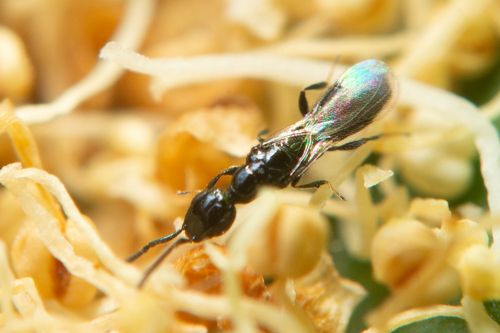
Spalangia is a genus of parasitoid wasp in the family Spalangiidae. Species include Spalangia cameroni and Spalangia endius.
Kapala
genus of insects

Macroglenes
Macroglenes is a genus of chalcidoid wasps in the family Pirenidae (formerly in Pteromalidae). There are at least 20 described species in Macroglenes.
Haltichella
Haltichella is a genus of chalcidid wasps in the family Chalcididae. There are at least 20 described species in Haltichella.

Cratocentrus
Cratocentrus is a genus of wasps in the family Chalcididae. Species are found in Asia and Africa.
Cleonymus
genus of insects
Trichilogaster signiventris
species of insect

Leucospis affinis
species of insect

Leucospis gigas
species of insect
Trichilogaster
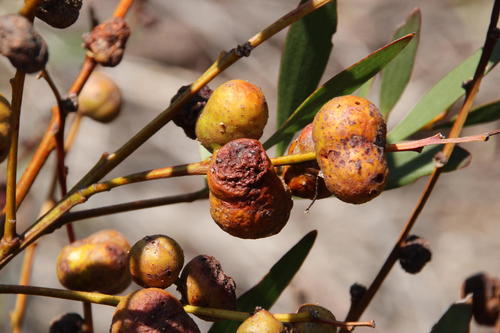
Trichilogaster is a small genus of chalcid wasps in the family Melanosomellidae, previously they were included in family Pteromalidae subfamily Ormocerinae. With one described exception, they all are Australian species that are gall-formers on Australian species of Acacia. The exception is an Arabian species. Apart from its ecological interest, the genus is of practical importance because some of its members are successful biocontrol agents in South Africa at least, where T. acaciaelongifoliae and T. signiventris have been established successfully to control invasive Australian Acacia species,
Chrysolampus elegans
species of insect

Chrysolampus
Chrysolampus is a genus of chalcid wasps.
Spalangia endius
species of insect
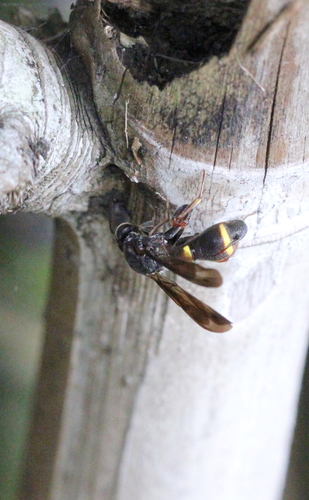
Leucospis sinensis
species of insect
Theocolax elegans
species of insect
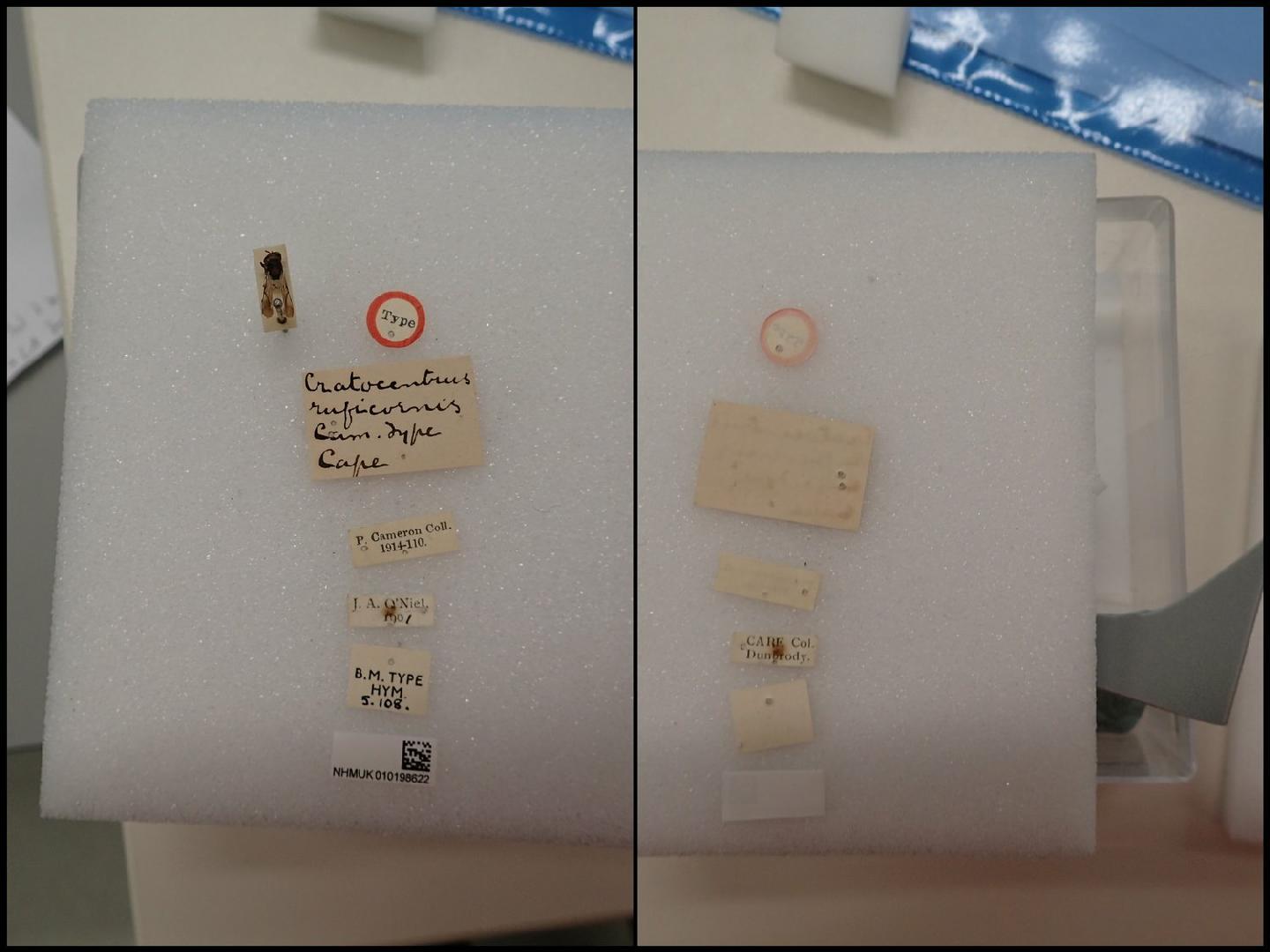
Cratocentrus ruficornis
species of wasp
Phasgonophora sulcata
species of insect
Euperilampus triangularis
species of insect

Chiloe micropteron
species of wasp
Doddifoenus
Doddifoenus is a genus of wasps in the family Pelecinellidae. They are parasitoids of wood-boring beetles.
Oraseminae
Oraseminae is a subfamily of chalcid wasps in the family Eucharitidae. There are at least 10 genera in Oraseminae.
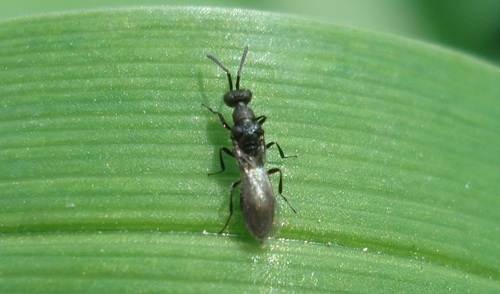
Spalangia cameroni
species of insect
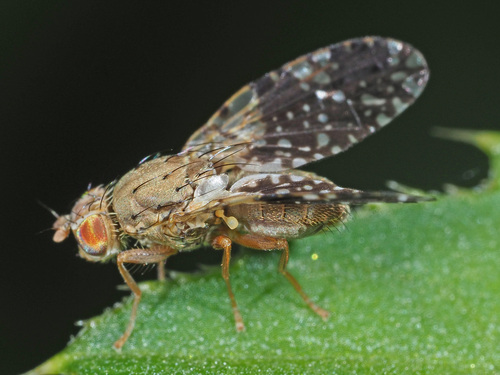
Conura
Conura is a genus of chalcidid wasps in the family Chalcididae, containing more than 300 species. They are distributed mostly in the New World, especially in the Neotropical region, where 279 species occur. Conura is divided into three subgenera and 63 species groups, which may not form taxonomic entities but reflect patterns of morphology that are useful for focused studies.
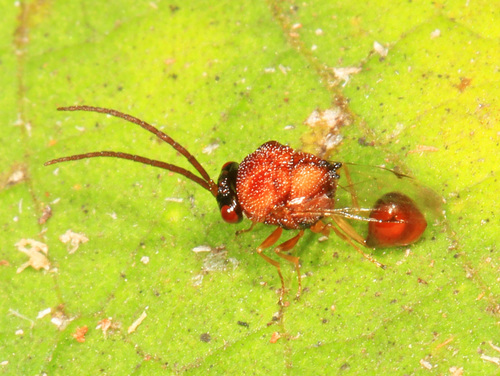
Obeza floridana
species of insect
Pseudochalcura gibbosa
species of insect
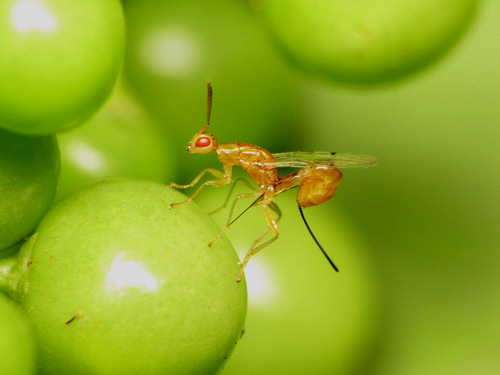
Megastigmus transvaalensis
species of insect
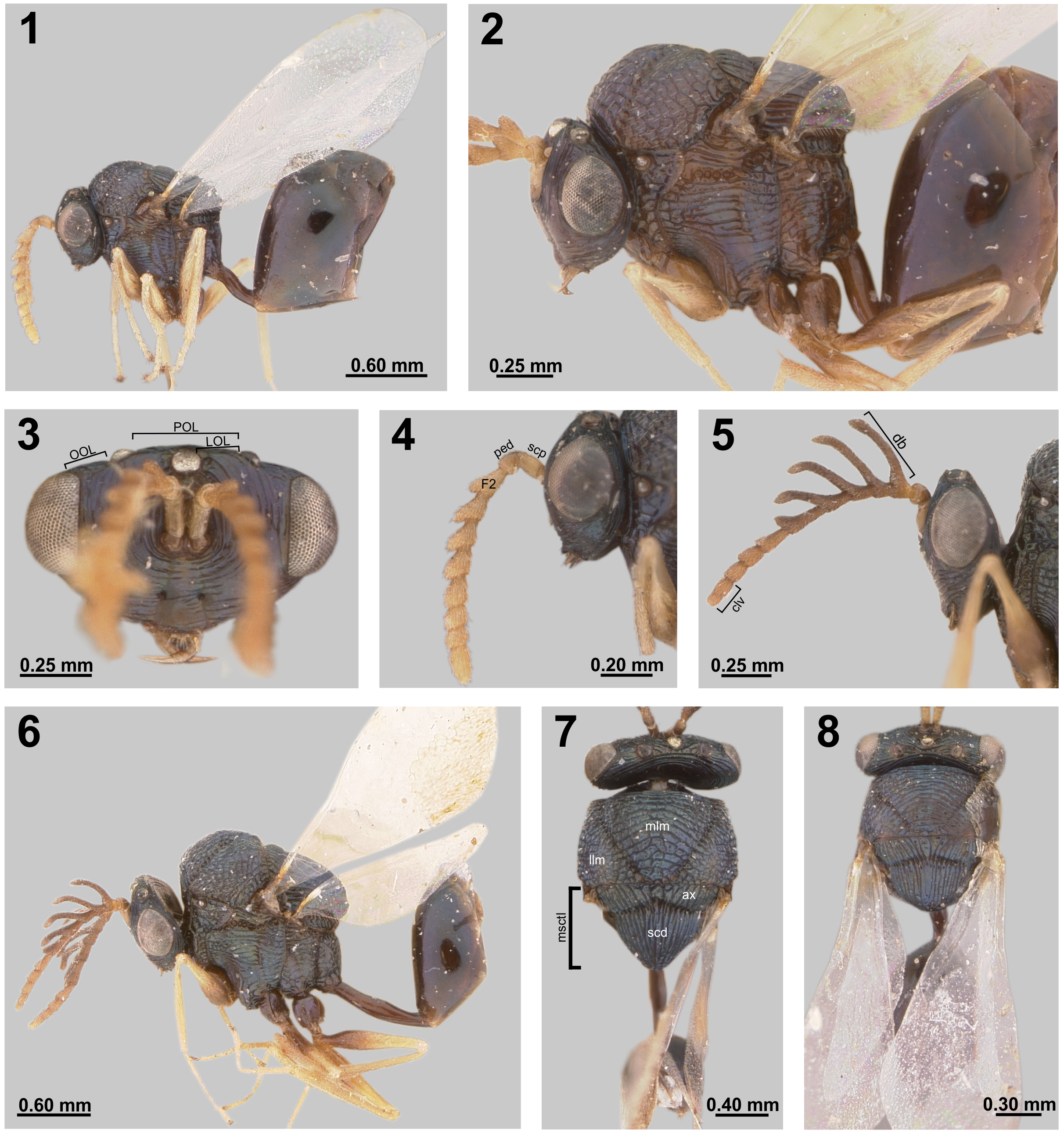
Pseudochalcura
Pseudochalcura is a genus of chalcid wasps in the family Eucharitidae. There are about 14 described species in Pseudochalcura.

Orasema occidentalis
species of insect
Metapelma
Metapelma is a globally-distributed genus of parasitic wasps and the only genus in the family Metapelmatidae. They are parasitoids of longhorn-beetle larvae, which are wood-borers.
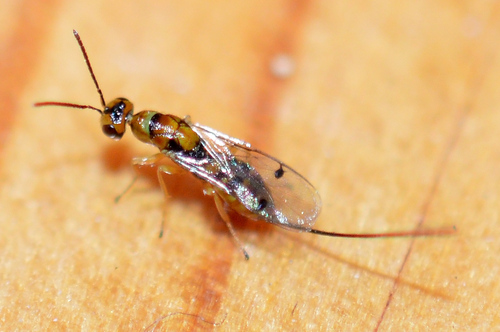
Megastigmus atedius
species of insect
Eunotus
Eunotus is a genus of chalcid wasps. Most species are parasitoids of scale insects.

Cea pulicaris
species of insect
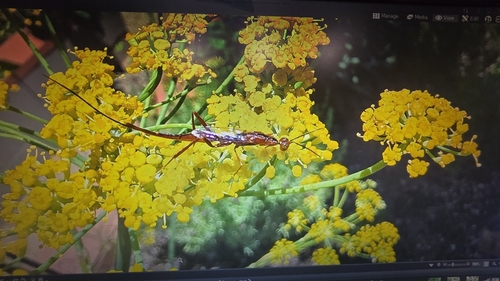
Leptofoenus
Leptofoenus is a genus of wasp in the family Pelecinellidae found in South America, Central America, and southern North America. The genus contains five living species and one extinct species known from early Miocene Burdigalian stage Dominican amber deposits on the island of Hispaniola. With body sizes ranging from Leptofoenus species are larger than nearly all other species in Chalcidoidea. The genus bears a notable resemblance to the wasp families Pelecinidae, Gasteruptiidae, and Stephanidae.