Encyclopedia of Life · EOL (see source)
Tetracampidae
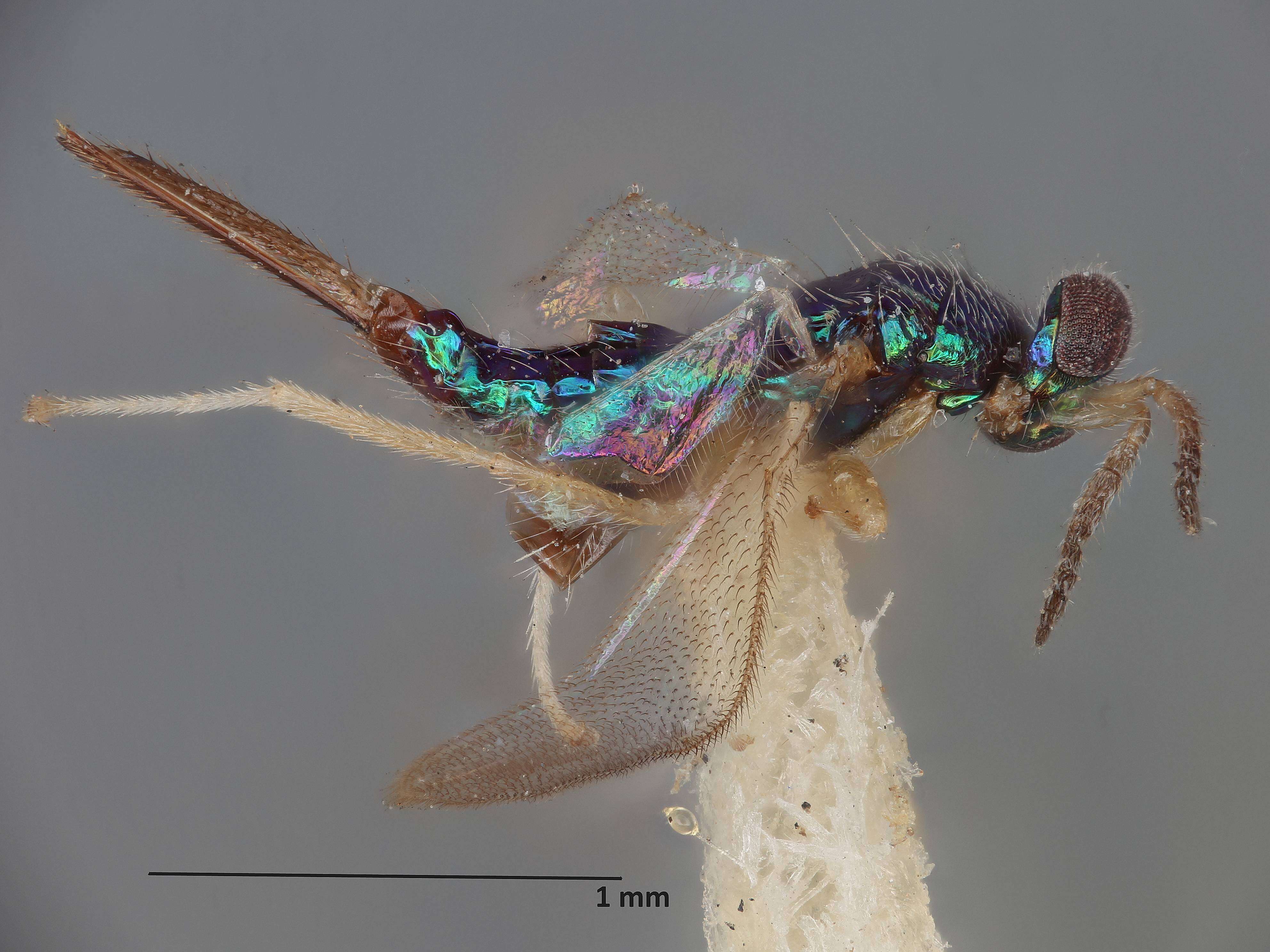
Sign in to saveThe Tetracampidae are a small family of parasitic wasps in the superfamily Chalcidoidea. They are parasitoids of phytophagous insects, primarily flies. The 44 species in 15 genera are almost entirely absent from the New World.
Species
FAMILY
- KingdomAnimalia
- PhylumArthropoda
- ClassInsecta
- OrderHymenoptera
- FamilyTetracampidae
Латинское название Tetracampidae Förster, 1856 Систематикана Викивидах Изображенияна Викискладе ITIS 709301 NCBI 108386 Тетракампиды[1] (лат. Tetracampidae) — семейство паразитических наездников надсемейства Chalcidoidea подотряда Стебельчатобрюхие отряда Перепончатокрылые насекомые. Распространены всесветно. Размеры мелкие (1—5 мм). Крылья с сильно редуцированным жилкованием. Усики из 11 или 12 члеников. Палеарктические виды паразитируют на яйцах жуков-листоедов Chrysomelidae и пилильщиков Diprionidae, некоторые виды атакуют личинок мух Agromyzidae[2][3]. Содержание 1 Систематика 2 Примечания 3 Литература 4 Ссылки Систематика Более 50 видов, 15 родов, 6 подсемейств, из которых три — вымершие[3]. †Baeomorphinae — 1 род, 4 вида (70-85 млн лет, меловой период, Канада) †Baeomorpha Brues, 1937 †Baeomorpha dubitata Brues, 1937 †Baeomorpha distincta Yoshimoto, 1975 †Baeomorpha elongata Yoshimoto, 1975 †Baeomorpha ovatata Yoshimoto, 1975 †Bouceklytinae — 1 вид (70-85 млн лет, меловой период, Канада) †Bouceklytus Yoshimoto, 1975 †Bouceklytus arcuodens Yoshimoto, 1975 †Distylopinae — 1 вид (70-85 млн лет, меловой период, Канада)[4] †Distylopus Yoshimoto, 1975 †Distylopus bisegmentus Yoshimo
via GBIF
Museum specimens
- Specimen records
- 119
- With media
- 17
- Family
- Tetracampidae
- Collections
- NRM
- Recorded in
- Sweden
Wikidata facts
- Instance of
- taxon
- Parent taxon
- Chalcidoidea
- Image
- Afrocampe prinslooi Gumovsky 2018.jpg
Show 4 more facts
- taxon name
- Tetracampidae
- taxon rank
- family
- topic's main category
- Category:Tetracampidae
- Commons category
- Tetracampidae
Sources (1)
via Wikidata · CC0
~1 min read
Encyclopedic overview
2 sectionsContents
- References
- External links
The Tetracampidae are a small family of parasitic wasps in the superfamily Chalcidoidea. They are parasitoids of phytophagous insects, primarily flies. The 44 species in 15 genera are almost entirely absent from the New World.
The biology of most species of Tetracampidae is little studied. Most of those whose hosts are known are associated with insects that mine in plants. European species of one genus, Dipriocampe, are endoparasitoids of the eggs of diprionid sawflies, and the British species of Foersterella are endoparasitoids of the eggs of Cassida spp. (Coleoptera, Cassididae). One species, Dipriocampe diprioni, was introduced into Canada from Europe for the biological control of diprionid pests, but did not become established.
Excerpted from Wikipedia’s “Tetracampidae” article, available under the CC BY-SA 4.0 licence.