Category
page 1Chinese language reform
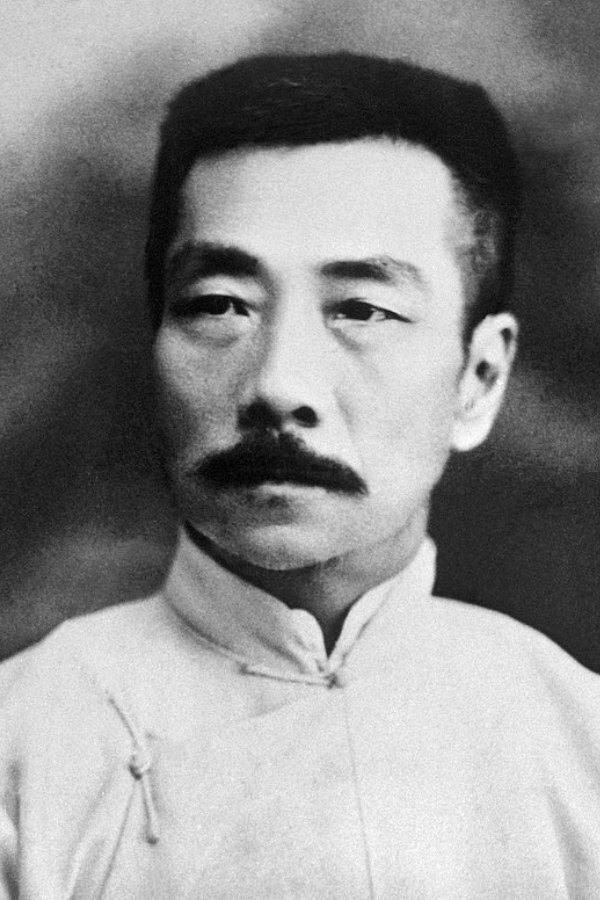
Lu Xun
Chinese novelist and essayist (1881–1936)

simplified Chinese characters
simplified Chinese character variants, namely used in People's Republic of China, Singapore, Malaysia

traditional Chinese characters
late imperial Chinese characters, namely used in Taiwan, Hong Kong, Macau

Standard Chinese
standard form of the Chinese language

Li Si
Chinese politician of the Qin Dynasty
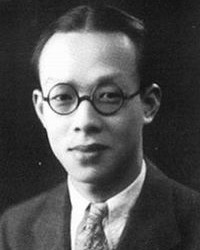
Zhou Youguang
Chinese linguist, sinologist (1906–2017)
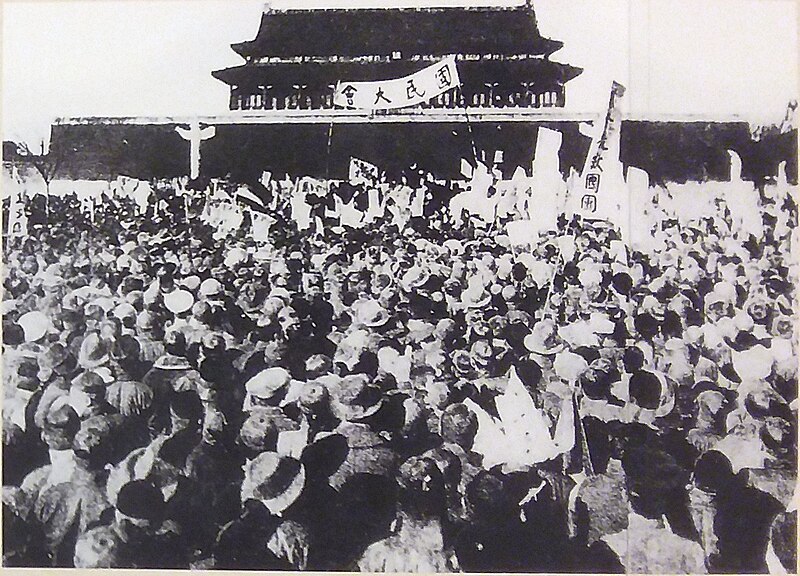
May Fourth Movement
Chinese cultural and political movement beginning with protests on 4 May 1919 in Beijing
Chen Duxiu
Chinese politician and co-founder of the Chinese Communist Party (1879–1942)

Hu Shih
Chinese scholar, writer and philosopher (1891–1962)
Chao Yuen Ren
Chinese-American linguist and educator (1892–1982)
written vernacular Chinese
forms of written Chinese based on the varieties of Chinese spoken throughout China, as opposed to Classical Chinese
Qu Qiubai
Chinese litterateur (1899-1935)
Chang Ping-lin
Chinese linguist (1868-1936)
Latinxua Sin Wenz
historical set of romanizations for Chinese; meant as a mean across dialects rather than Mandarin
New Culture Movement
revolt against Confucian values
Qian Xuantong
chinese esperantist and linguist (1887–1939)
second round of simplified Chinese characters
aborted reform of the Chinese writing system, promulgated on 20 December 1977 by the Chinese government
Li Jinxi
Chinese linguist
Old National Pronunciation
system set up in 1913 for the phonology of standard Chinese, based on Beijing dialect, influenced by older forms of Mandarin and Wu, containing initials /v/, /ŋ/, /ɲ/, preserving the “round-sharp distinction” and the checked tone; abandoned by 1926
Lou Gongchiong
Republic of China person CBDB = 73030