Category
page 1Christian apologists

Augustine of Hippo
Christian theologian, philosopher, and saint (354–430)

Thomas Aquinas
Italian Dominican friar, philosopher, Catholic priest, and Doctor of the Church (1225–1274)

Blaise Pascal
French mathematician, physicist, inventor, writer, and Christian philosopher (1623-1662)

C. S. Lewis
British writer, lay theologian, and scholar (1898–1963)

G. K. Chesterton
English author and Christian apologist (1874–1936)

Jerome
Jerome (; ; ; – 30 September 420), also known as Jerome of Stridon, was an early Christian priest, confessor, theologian, translator, and historian; he is commonly known as Saint Jerome.
Tertullian
Tertullian (; ; 155 – 220 AD) was a prolific early Christian author from Carthage in the Roman province of Africa. He was the first Christian author to produce an extensive corpus of Latin Christian literature and was an early Christian apologist and a polemicist against heresy, including Gnosticism.
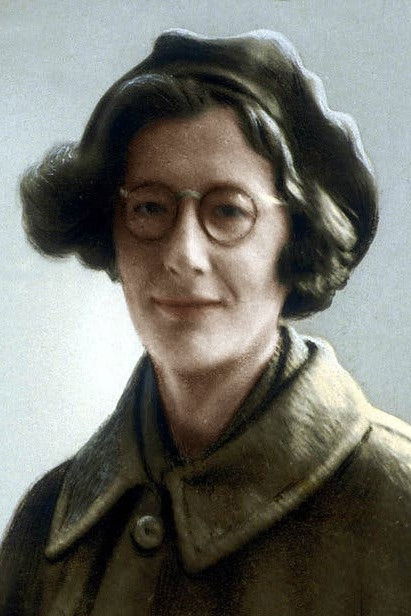
Simone Weil
French philosopher, writer, and social activist (1909–1943)

François-Auguste-René de Chateaubriand
French writer, politician and historian (1768–1848)

Anselm of Canterbury
11th‑century Benedictine monk, Archbishop of Canterbury, philosopher and theologian

Hugo Grotius
Dutch jurist and scholar (1583-1645)

Origen
Origen of Alexandria (), also known as Origen Adamantius, was an early Christian scholar, ascetic, and theologian who was born and spent the first half of his career in Alexandria. He was a prolific writer who wrote roughly 2,000 treatises in multiple branches of theology, including textual criticism, biblical exegesis and hermeneutics, homiletics, and spirituality. He was one of the most influential and controversial figures in early Christian theology, apologetics, and asceticism. He has been described by John Anthony McGuckin as "the greatest genius the early church ever produced".

John of Damascus
Christian monk, priest, hymnographer and apologist (675/6-749)

Irenaeus
Irenaeus ( or ; ; ) was a Greek bishop noted for his role in guiding and expanding Christian communities in the southern regions of present-day France and, more widely, for the development of Christian theology by opposing Gnostic interpretations of Christian Scripture and defending orthodoxy. Originating from Smyrna, he had seen and heard the preaching of Polycarp, who in turn was said to have heard John the Evangelist.
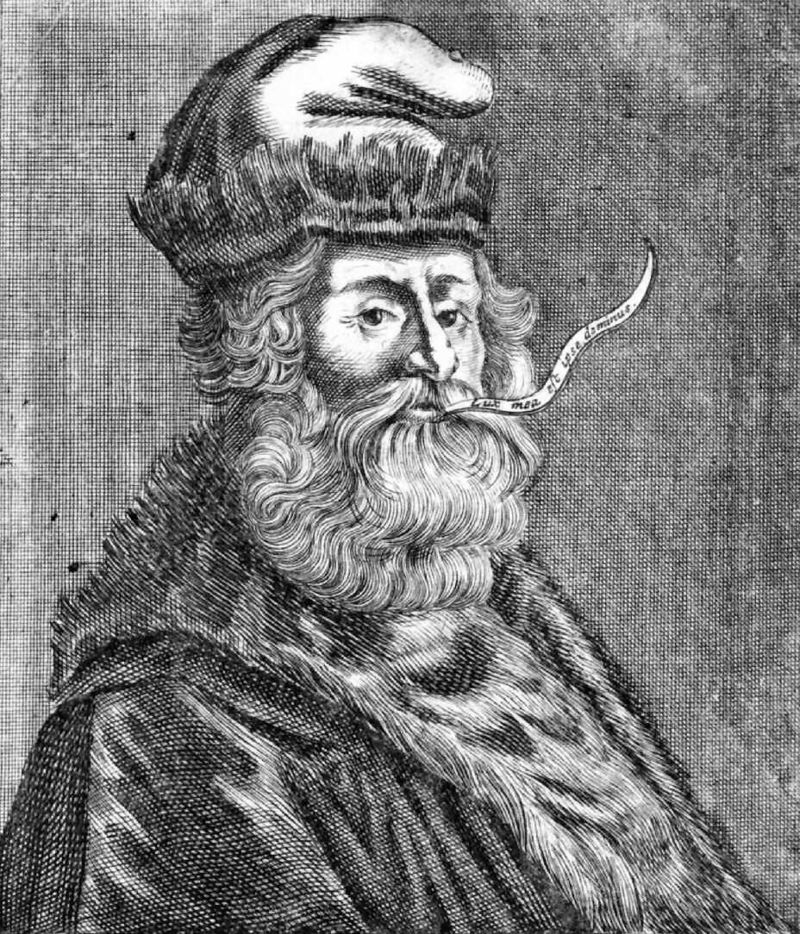
Ramon Llull
Majorcan writer and philosopher (c.1232–1315/6)

John Henry Newman
English cleric and cardinal (1801–1890)

Justin Martyr
2nd century CE Christian apologist and martyr

Lactantius
Lucius Caecilius Firmianus Lactantius () was an early Christian author who became an advisor to Roman emperor Constantine I, guiding his Christian religious policy in its initial stages of emergence, and a tutor to his son Crispus. His most important work is the Institutiones Divinae ("The Divine Institutes"), an apologetic treatise intended to establish the reasonableness and truth of Christianity to pagan critics.

Dorothy L. Sayers
English crime writer, playwright, essayist and Christian writer (1893-1957)

Orosius
Paulus Orosius (; born 375/385 – 420 AD), less often Paul Orosius in English, was a Roman priest, historian and theologian, and a student of Augustine of Hippo. It is possible that he was born in Bracara Augusta (now Braga, Portugal), then capital of the Roman province of Gallaecia, which would have been the capital of the Kingdom of the Suebi by his death. Although there are some questions regarding his biography, such as his exact date of birth, it is known that he was a person of some prestige from a cultural point of view, as he had contact with the greatest figures of his time such as Aug

Tatian
Tatian of Adiabene, or Tatian the Syrian or Tatian the Assyrian, (; ; ; ; – ) was an Assyrian Christian writer and theologian of the 2nd century.

Shūsaku Endō
author from Japan (1923–1996)

René Girard
French historian, literary critic, and philosopher of social science

Athenagoras of Athens
Greek philosopher and Father of the Church (c.133–c.190)

Theophilus of Antioch
Patriarch of Antioch from c.169 to c.183
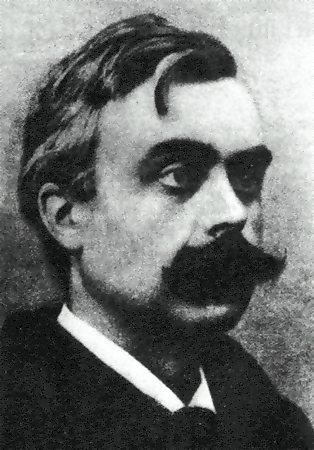
Léon Bloy
French writer, poet and essayist (1846–1917)
Arnobius
Arnobius (died c. 330) was an early Christian apologist of Berber origin during the reign of Diocletian (284–305).

Marcus Minucius Felix
Latin-language writer
Alvin Plantinga
American Christian philosopher

David Hartley
British philosopher
Joseph Butler
English bishop and philosopher (1692–1752)

William Lane Craig
American Christian apologist and theologian

William Paley
Christian apologist, natural theologian, utilitarian; (1743-1805)
Julius Firmicus Maternus
4th century Latin writer and astrologer
Xu Guangqi
late-Ming-dynasty Chinese politician, Scholar, Lay Catholic leader and Servant of God (*1562 – †1633)
Aristidis of Athens
Greek Christian author
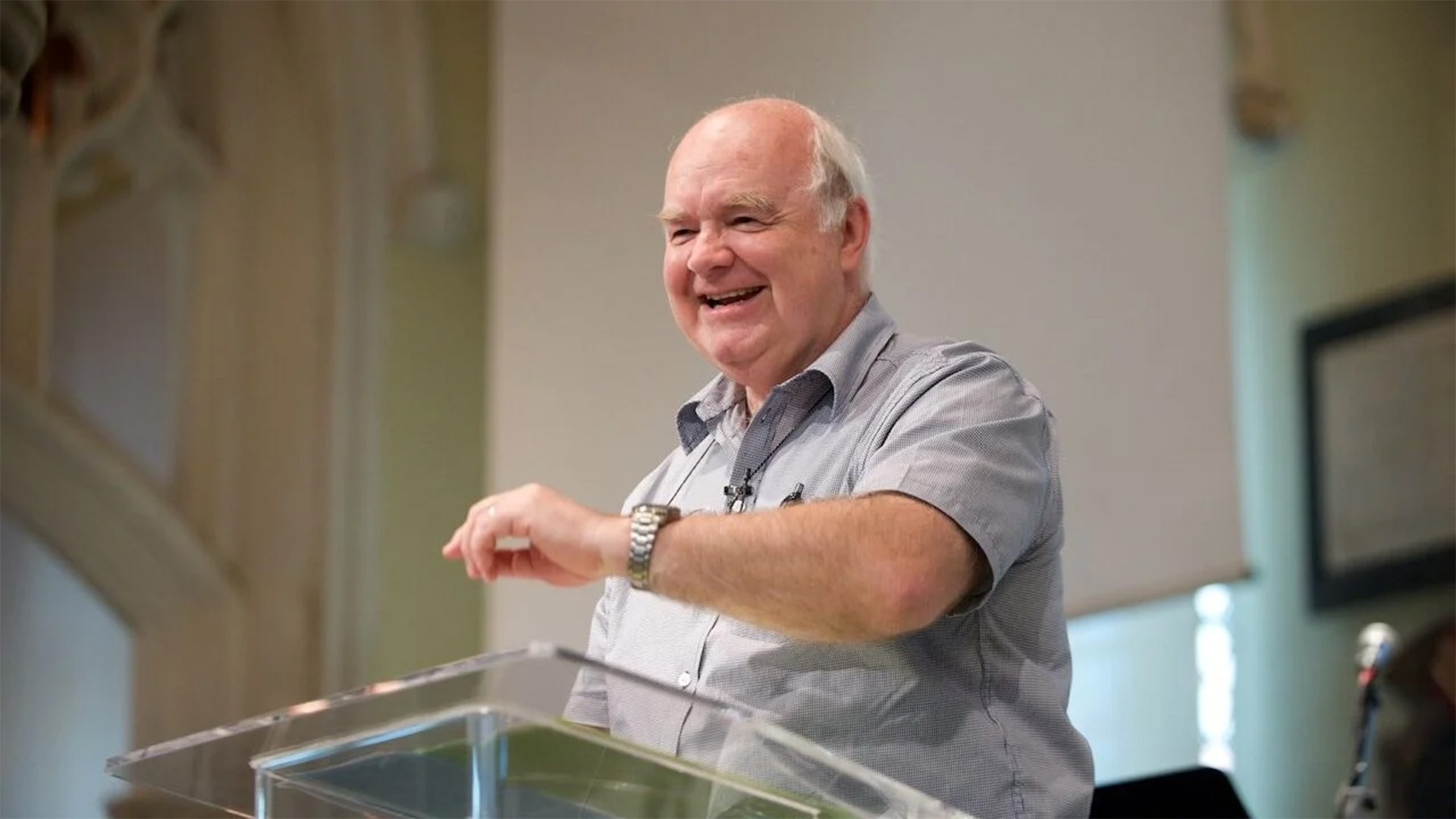
John Lennox
Northern Irish mathematician and philosopher of science (b. 1943)
Ronald Knox
English priest and theologian (1888–1957)
Jaime Balmes
Spanish philosopher (1810–1848)
Richard Swinburne
British philosopher of religion
Quadratus of Athens
Christian apologist and saint
David Wilkerson
American pentecostal evangelist (1931–2011)
Ravi Zacharias
Canadian-American Christian apologist (1946–2020)
Justus Jonas
German Lutheran reformer
Alister McGrath
Northern Irish theologian, Anglican priest, and academic (born 1953)
Timothy J. Keller
American pastor (1950–2023)
R. C. Sproul
American theologian and pastor (1939–2017)
John Stott
British theologian (1921–2011)
Francis Schaeffer
American theologian and writer (1912-1984)
Scott Hahn
American theologian
Peter Kreeft
theologian, philosopher, penman, university teacher (1937-)
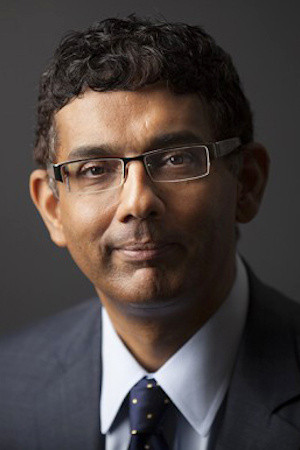
Dinesh D'Souza
Indian-American political commentator (born 1961)
Derek Prince
British missionary (1915-2003)
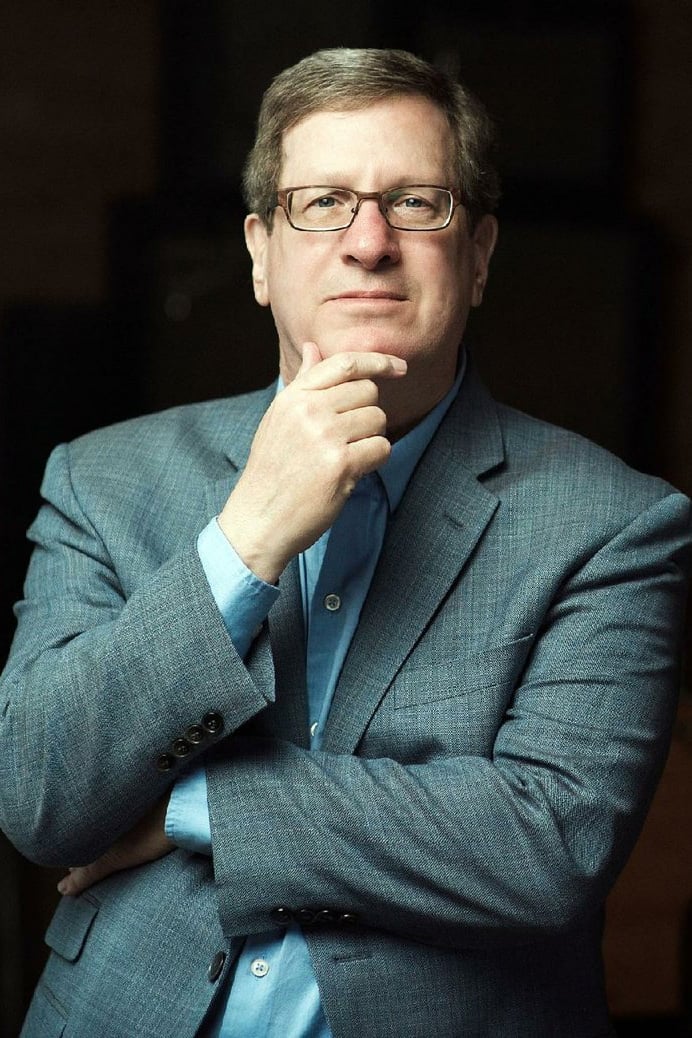
Lee Strobel
American writer
Jacob of Edessa
Syriac Bishop of Edessa (c.640-708)
Henry M. Morris
American young earth creationist and Christian apologist (1918–2006)
William A. Dembski
American intelligent design advocate
Josh McDowell
American writer
Kenelm Digby
English courtier and diplomat (1603–1665)
Alfred Noyes
English poet (1880–1958)