Category
page 1Christian poets
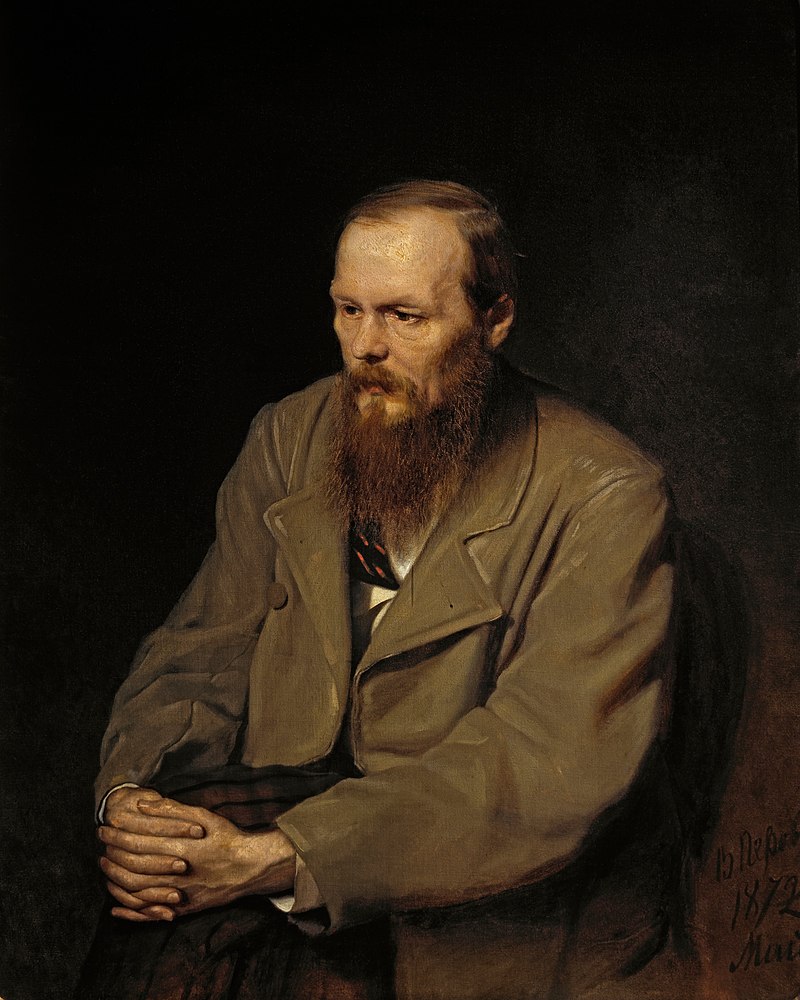
Fyodor Dostoyevsky
Russian novelist (1821–1881)
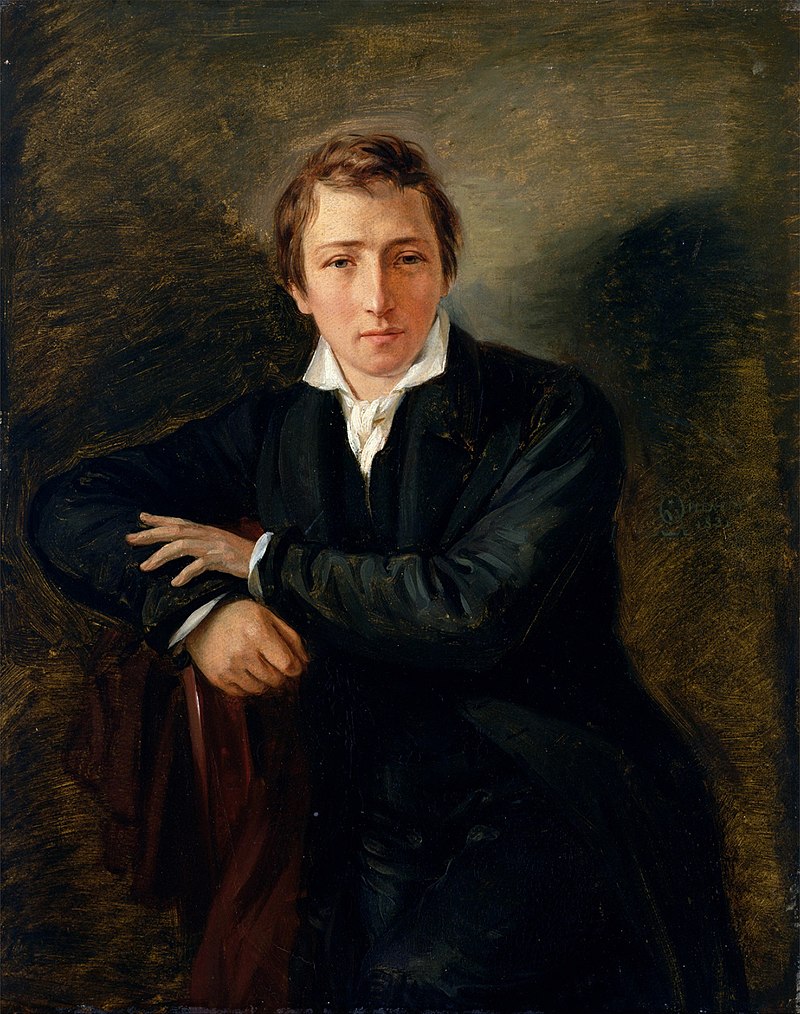
Heinrich Heine
German poet, writer and literary critic (1797–1856)

William Blake
English poet and artist (1757–1827)

John Milton
English poet and civil servant (1608–1674)

Emily Dickinson
American poet (1830-1886)

Boris Pasternak
Russian writer (1890–1960)
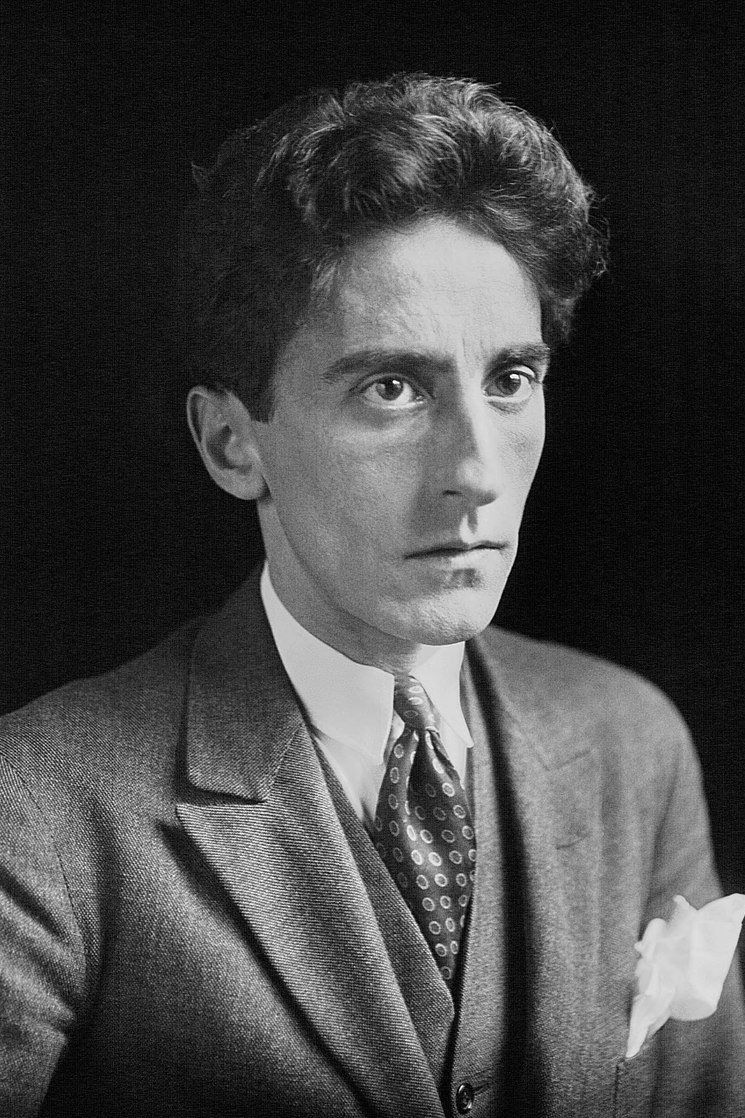
Jean Cocteau
French writer and filmmaker (1889–1963)

G. K. Chesterton
English author and Christian apologist (1874–1936)

Gotthold Ephraim Lessing
German writer, philosopher, publicist, and art critic (1729-1781)

John Donne
English poet and cleric (1572-1631)

Dietrich Bonhoeffer
German Lutheran pastor, theologian, anti-Nazi dissident (1906–1945)

Ilia Chavchavadze
Georgian public figure and writer; a saint of Georgian Orthodox Church (1837-1907)

Robert Southey
English romantic poet (1774–1843)

Henri-Frédéric Amiel
Swiss philosopher and poet (1821-1881)

George MacDonald
Scottish writer and Christian minister (1824–1905)

Johann Kaspar Lavater
Swiss poet (1741-1801)

Michael Psellos
11th-century Byzantine monk, writer and court official

Agrippa d'Aubigné
French military officer, historian, writer and poet (1552-1630)

Nonnus of Panopolis
Nonnus of Panopolis (, Nónnos ho Panopolítēs, 5th century AD) was the most notable Greek epic poet of the Imperial Roman era. He was a native of Panopolis (Akhmim) in the Egyptian Thebaid and probably lived in the 5th century AD. He is known as the composer of the Dionysiaca, an epic tale of the god Dionysus, and of the Metabole, a paraphrase of the Gospel of John. The epic Dionysiaca describes the life of Dionysus, his expedition to India, and his triumphant return. It was written in Homeric Greek and in dactylic hexameter, and it consists of 48 books at 20,426 lines.

Prudentius
thumb|
Aurelius Prudentius Clemens ( ) was a Roman Christian poet, born in the Roman province of Tarraconensis (now Northern Spain) in 348. He probably died in the Iberian Peninsula some time after 405, possibly around 413. The place of his birth is uncertain, but it may have been Caesaraugusta (Zaragoza), Tarraco (Tarragona), or Calagurris (Calahorra).

Gregory of Narek
Armenian monk
Venantius Fortunatus
Italian saint-bishop, poet and hymnwriter (c. 530-c. 600/609)

Anne Bradstreet
Anglo-American poet (1612–1672)

Hans Urs von Balthasar
Swiss Catholic theologian (1905–1988)

Sophronius of Jerusalem
Patriarch of Jerusalem from 634 to 638

Miklós Radnóti
Hungarian Jewish Christian poet (1909–1944)
Thomas Traherne
English poet
Coelius Sedulius
5th-century Roman poet
Walafrid Strabo
Carolingian priest (ca. 808–849)
Juvencus
Gaius Vettius Aquilinus Juvencus (fl. c. 330) was a Roman Christian poet from Hispania who wrote in Latin. His work was well known in the Middle Ages, being cited for example, in the British Isles.
Guillaume de Salluste Du Bartas
French writer
Faltonia Betitia Proba
ancient Roman poet
Marco Girolamo Vida
Italian bishop
Dracontius
Blossius Aemilius Dracontius () of Carthage was a Christian poet who flourished in Roman Africa during the latter part of the 5th century. He belonged to a family of landowners, and practiced as a lawyer in his native place. After the conquest of the country by the Vandals, Dracontius was at first allowed to retain possession of his estates, but was subsequently despoiled of his property and thrown into prison by the Vandal king Gaiseric, whose triumphs he had omitted to celebrate, while he had written a panegyric on a foreign and hostile ruler. He subsequently addressed an elegiac poem to the
Reinhold Schneider
German poet (1903–1958)
Arator
Arator ( – after 544) was a sixth-century Christian poet from Liguria in northwestern Italy. His best known work, De Actibus Apostolorum, is a verse history of the Apostles.
Johannes Daniel Falk
German poet
Frederick Buechner
American Christian writer (1926–2022)
Jorge de Lima
Brazilian writer and politician (1893-1953)

Al-Ḥurqah
Hind bint al-Nuʿmān (), also known as al-Ḥurqah, was a pre-Islamic Arab poet. There is some historiographical debate, going back to the Middle Ages, over precisely what her names were, with corresponding debates over whether some of the bearers of these names were different people or not. An example of a poet-princess, she has been read as a key figure in pre-Islamic poetry.
==Biography==
Hind was the daughter of al-Nu'man III ibn al-Mundhir, the last Lakhmid king of al-Hira () and an Eastern Christian Arab mother.
According to the Ḥarb Banī Shaybān maʻa Kisrà Ānūshirwān, Khosrow II, emperor o
Lorenz Leopold Haschka
Austrian writer
Elena Frolova
Russian musician and poet
Paulinus of Pella
ancient Greek poet
Abraham von Franckenberg
German writer (1593-1652)
Haralamb Lecca
Romanian poet, playwright and translator (1873-1920)
Annie Sherwood Hawks
American poet and hymn writer
Ion Buzdugan
Moldovan politician
Dòmhnall Ruadh Chorùna
Scottish poet (1887–1967)
Red Jordan Arobateau
American author, playwright, poet and painter
Claudius Marius Victorius
Gallic rhetorician and poet from Marseille of the fifth century CE
Dallán Forgaill
Irish poet and saint
Maria Abdy
English poet
Watson Kirkconnell
Canadian translator and scholar (1895–1977)
Edward Perronet
Anglican preacher, hymn writer and poet

Albert Evans-Jones
Welsh poet (1895–1970)

Nel Benschop
Dutch poet (1918–2005)