Category
page 1Ciliate genera

Paramecium
Paramecium ( , , plural "paramecia" only when used as a vernacular name) is a genus of eukaryotic, unicellular ciliates, widespread in freshwater, brackish, and marine environments. Paramecia are often abundant in stagnant basins and ponds. Because some species are readily cultivated and easily induced to conjugate and divide, they have been widely used in classrooms and laboratories to study biological processes. Paramecium species are commonly studied as model organisms of the ciliate group and have been characterized as the "white rats" of the phylum Ciliophora.
Stentor
genus of protists
Vorticella
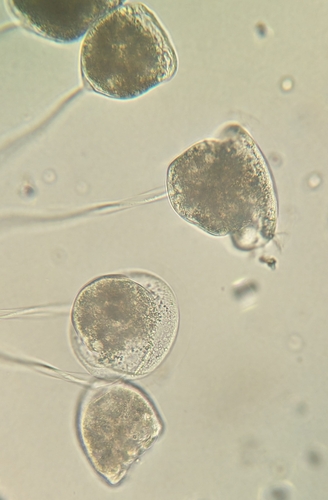
Vorticella is a genus of bell-shaped ciliates that have stalks to attach themselves to substrates. The stalks have contractile myonemes, allowing them to pull the cell body against substrates. The formation of the stalk happens after the free-swimming stage.

Tetrahymena
Tetrahymena is a genus of free-living ciliates, examples of unicellular eukaryotes. The genus Tetrahymena is the most widely studied member of its phylum. It can produce, store and react with different types of hormones. Tetrahymena cells can recognize both related and hostile cells.

Didinium
Didinium is a genus of unicellular ciliates with at least ten accepted species. All are free-living carnivores. Most are found in fresh and brackish water, but three marine species are known. Their diet consists largely of Paramecium, although they will also attack and consume other ciliates. Some species, such as D. gargantua, also feeds on non-ciliate protists, including dinoflagellates, cryptomonads, and green algae.

Stylonychia
Stylonychia is a genus of ciliates, in the subclass Hypotrichia. Species of Stylonychia are very common in fresh water and soil, and may be found on filamentous algae, surface films, and among particles of sediment. Like other Hypotrichs, Stylonychia has cilia grouped into membranelles alongside the mouth and cirri over the body. It is distinguished partly by long cirri at the posterior, usually a cluster of three. The largest can just be seen at a 25× magnification, and the smallest can just be seen at a 450× magnification.
Halteria
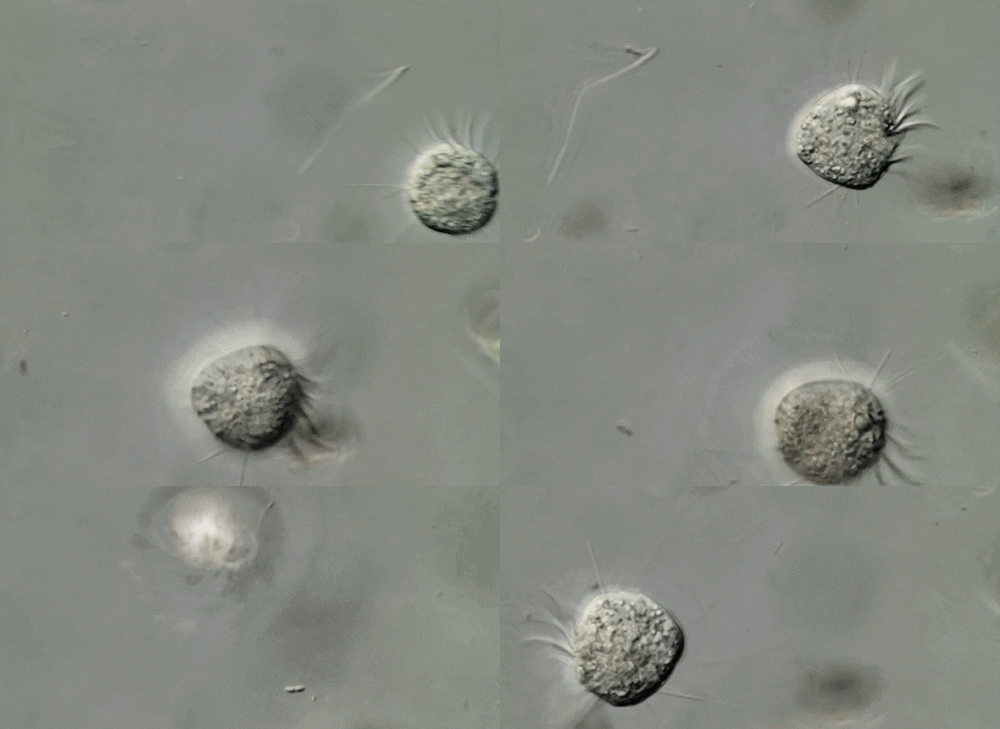
Halteria, sometimes referred to as the jumping oligotrich, is a genus of common planktonic ciliates that are found in many freshwater environments. Halteria are easy to locate due to their abundance and distinctive behaviour with observations of Halteria potentially dating back to the 17th century and the discovery of microorganisms. Over time more has been established about their morphology and behavior, which has led to many changes in terms of classification.

Trichodina
Trichodina is a genus of ciliate alveolates that is ectocommensal or parasitic on aquatic animals, particularly fish. They are characterised by the presence of a ring of interlocking cytoskeletal denticles, which provide support for the cell and allow for adhesion to surfaces including fish tissue.

Balantidium
Balantidium is a genus of ciliates. It contains the parasitic species Balantidium coli, the only known cause of balantidiasis.
Zoothamnium
Zoothamnium is a genus of ciliate protozoan.
Coleps
thumb|224px| Two similar-looking but sexually distinct partners connected at their front ends exchange genetic material via a plasma bridge.

Epistylis
Epistylis is a genus of usually colonial peritrich ciliates with a short oral disc and collar, and a rigid stalk. The rigid stalk differentiates Epistylis from the very similar genus Carchesium in which the stalks are contractile like those in Vorticella.

Spirostomum
Spirostomum is a genus of ciliated protists in the class Heterotrichea. It is known for being very contractile. Having been first identified by Christian Gottfried Ehrenberg in 1834, further research has identified eight additional true morphospecies. This bacterivore genus mainly lives in the sediment deposits at the bottom of various aquatic habitats, and members possess rquA genes that could be responsible for their ability to survive in these hypoxic and anoxic environments. They are identifiable by their relatively (to other ciliates) large tubular/flat vermiform bodies. Their life cycle

Dileptus
Dileptus is a genus of unicellular ciliates in the class Litostomatea. Species of Dileptus occur in fresh and salt water, as well as mosses and soils. Most are aggressive predators equipped with long, mobile proboscides lined with toxic extrusomes, with which they stun smaller organisms before consuming them. Thirteen species and subspecies of Dileptus are recognized.
Blepharisma
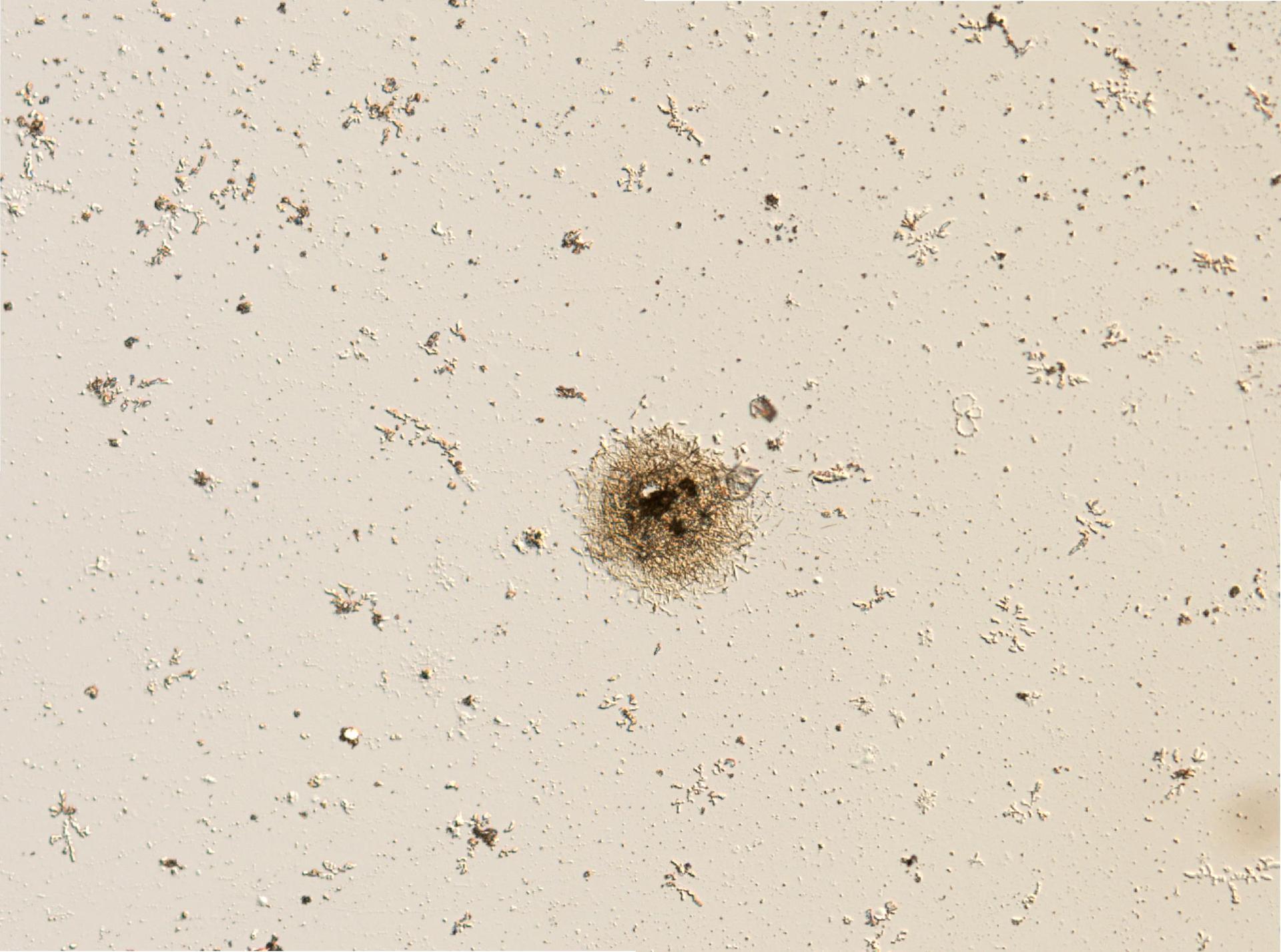
Blepharisma is a genus of unicellular ciliate protists found in fresh and salt water. The group includes around 40 accepted species, and many sub-varieties and strains. While species vary considerably in size and shape, most are easily identified by their red or pinkish color, which is caused by granules of the pigment blepharismin.

Euplotes
Euplotes is a genus of ciliates in the subclass Euplotia. Species are widely distributed in marine and freshwater environments, as well as soil and moss. Most members of the genus are free-living, but two species have been recorded as commensal organisms in the digestive tracts of sea urchins.
Colpoda
right|thumb|250px|Typical large Colpoda @ 400X
right|thumb|250px|Measurements of large Colpoda in micrometres
Frontonia
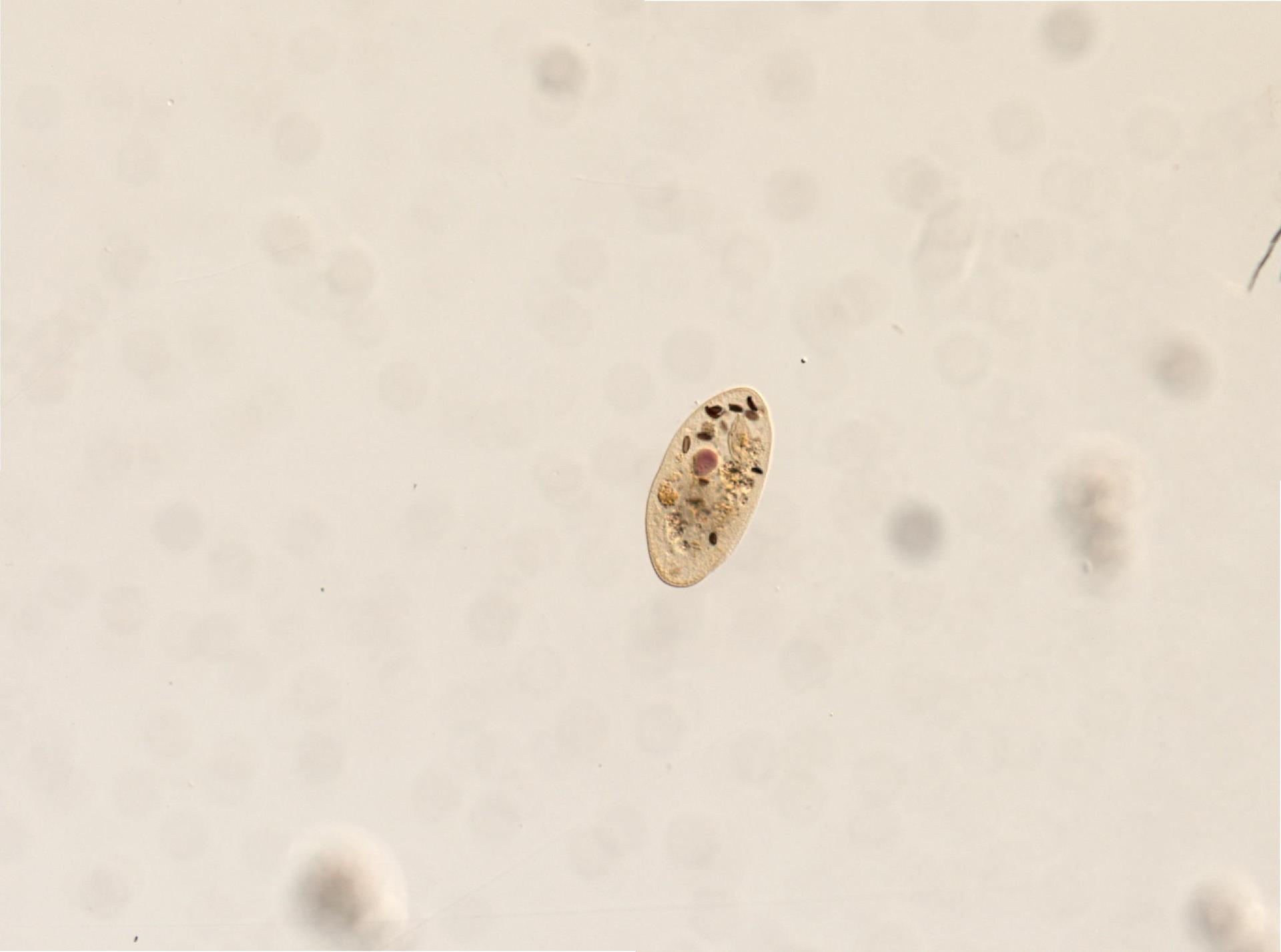
Frontonia is a genus of free-living unicellular ciliate protists, belonging to the order Peniculida. As Peniculids, the Frontonia are closely related to members of the genus Paramecium. However, whereas Paramecia are mainly bacterivores, Frontonia are capable of ingesting large prey such as diatoms, filamentous algae, testate amoebas, and even, in some circumstances, members of their own species. In bacteria-rich saprobic conditions, Frontonia leucas can live as a facultative bacterivore.
Loxodes
Loxodes is a genus of karyorelictean ciliates, belonging to Loxodidae. It is the only known karyorelictean ciliate that lives in freshwater habitats. The genus is known for its distinctive morphology, including a relatively large, flattened body and unique nuclear structures. It is also known to exhibit fascinating behaviours, such as geotaxis and light sensitivity.
Nassula
Nassula is a genus of unicellular ciliates, belonging to the class Nassophorea. Like other members of the class, Nassula possesses a basket-like feeding apparatus (nasse, or cyrtos) made up of cytopharyngeal rods (nematodesmata), which are themselves composed of closely packed microtubules. Nassula use this structure to ingest filamentous cyanobacteria, drawing individual strands of blue-green algae through the cytopharynx and into the body of the cell, where they are digested. As the algae are broken down, they can take on a variety of bright colours, which give Nassula a distinctive, variega

Colpidium
Colpidium is a genus of ciliates.
Mesodinium
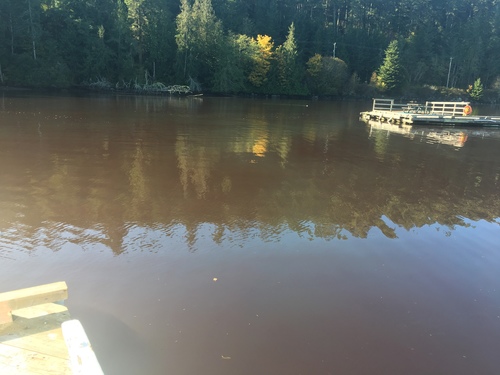
Mesodinium is a genus of ciliates that are widely distributed and are abundant in marine and brackish waters.

Lacrymaria
genus of protists
Oxytricha
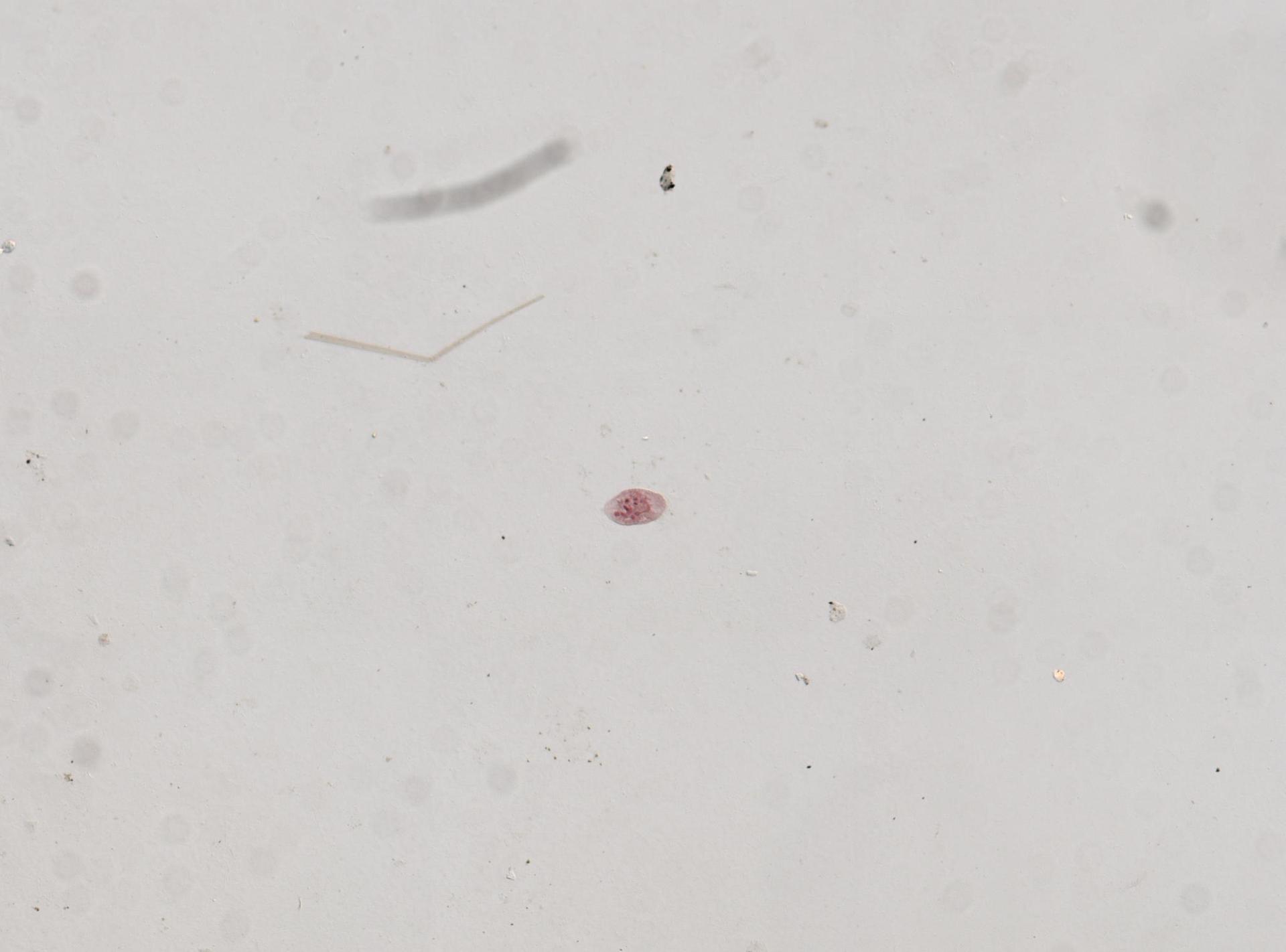
Oxytricha is a genus of ciliates in the family Oxytrichidae.
Tokophrya
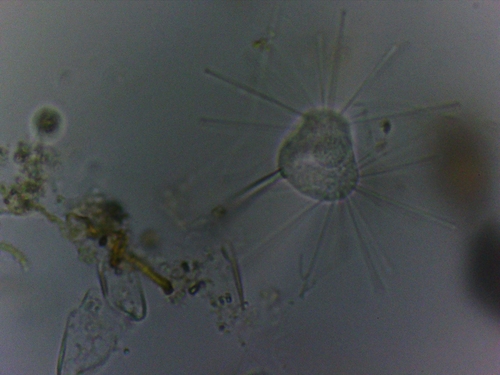
Tokophrya is a genus of suctorians. An example is Tokophrya lemnarum. The genus used to belong to the family Dendrosomatidae, but now it belongs to its own family, the family Tokophryidae Jankowksi in Small & Lynn, 1985.