Category
page 1Classical antiquity

Scythians
The Scythians ( or ) or Scyths (), also known as the Pontic Scythians, were an ancient Eastern Iranic equestrian nomadic people who migrated during the 9th to 8th centuries BC from Central Asia to the Pontic Steppe in modern-day Ukraine and Southern Russia, where they remained until the 3rd century BC.
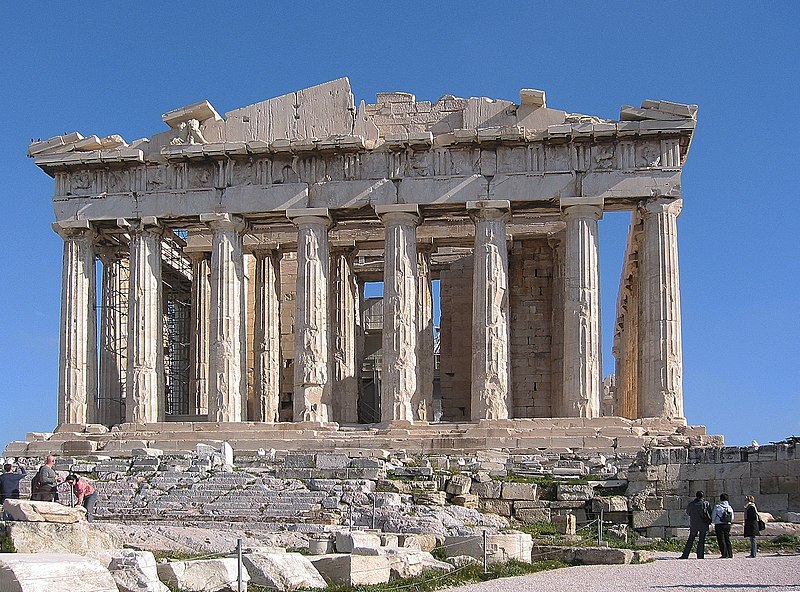
classical antiquity
age of the ancient Greeks and Romans
Greco-Roman world
regions historically influenced by the language, culture, government and religion of the ancient Greeks and Romans
clothing in ancient Egypt
aspect of history
history of science in classical antiquity
aspect of history
Era of Martyrs
method of numbering years used by the Church of Alexandria beginning in the 4th century AD and by the Coptic Orthodox Church of Alexandria from the 5th century
list of Graeco-Roman geographers
Wikimedia list article
Transmission of the Greek Classics
Greek East and Latin West
division of the Greco-Roman world into eastern Greek and western Latin parts

Classical tradition
reception of classical Greco-Roman antiquity by the post-classical Western world
paradoxography
Paradoxography is a genre of classical literature which deals with the occurrence of abnormal or inexplicable phenomena of the natural or human worlds (Latin mirabilia, 'marvels, miracles'). The term paradoxographos (paradoxographer) was coined by Tzetzes.
magic in the Greco-Roman world
essay on the study of magic in the Greco-Roman world
Free city
classical antiquity
Roman hairstyles
ways to style hair in the ancient Rome
Utians
thumb|Persian Empire 500 BC Map showing Persis and Utians
The Utians or Utii were ancient western Iranic nomadic camel-driving people, known primarily through the writings of the ancient Greek historian Herodotus. Herodotus describes them as "dressed in skin with the hair on".
Paroikoi
Paroikoi (plural of Greek πάροικος, paroikos, the etymological origin of parish and parochial) is the term that replaced "metic" in the Hellenistic and Roman period to designate foreign residents.
Greco-Roman hairstyles
various ways to style hair that were popular among the Greeks and the Romans in the ancient world
Authepsa
thumb|right|A possible (the first cut from A Dictionary of Greek...)
thumb|right| (the second cut from A Dictionary of Greek...)
thumb|right|An 1800s samovar, for comparison
In classical antiquity, an ' or ' (, ; from + , "self-boiling", "self-cooking") was a vessel used for water heating. Basically, it was a vase with a central tube used to keep coals.