Category
page 1Clavariaceae
Clavariaceae
The Clavariaceae are a family of fungi in the order Agaricales. Originally the family contained most of the clavarioid fungi (club and coral fungi), but in its current sense is more restricted, albeit with a greater diversity of basidiocarp (fruit body) forms. Basidiocarps are variously clavarioid or agaricoid (mushroom-shaped), less commonly corticioid (effused, crust-like) or hydnoid (with pendant spines).

Clavaria zollingeri
species of fungus

Clavaria
Clavaria is a genus of fungi in the family Clavariaceae. Species of Clavaria produce basidiocarps (fruit bodies) that are either cylindrical to club-shaped or branched and coral-like. They are often grouped with similar-looking species from other genera, when they are collectively known as the clavarioid fungi. All Clavaria species are terrestrial and most (if not all) are believed to be saprotrophic (decomposing dead plant material). In Europe, they are typical of old, mossy, unimproved grassland. In North America and elsewhere, they are more commonly found in woodlands.

Clavaria fragilis
species of fungus
%20Corner%20156686.jpg)
Clavulinopsis
Clavulinopsis is a genus of coral fungi in the family Clavariaceae. The genus, first described scientifically by Casper van Overeem in 1923, has a widespread distribution.
%20Corner%20110488.jpg)
Ramariopsis
Ramariopsis is a genus of coral fungi in the family Clavariaceae. The genus has a collectively widespread distribution and contains about 40 species. The name means 'having the appearance of Ramaria'.

Clavaria fumosa
species of fungus

Clavulinopsis fusiformis
species of fungus

Clavaria argillacea
species of fungus
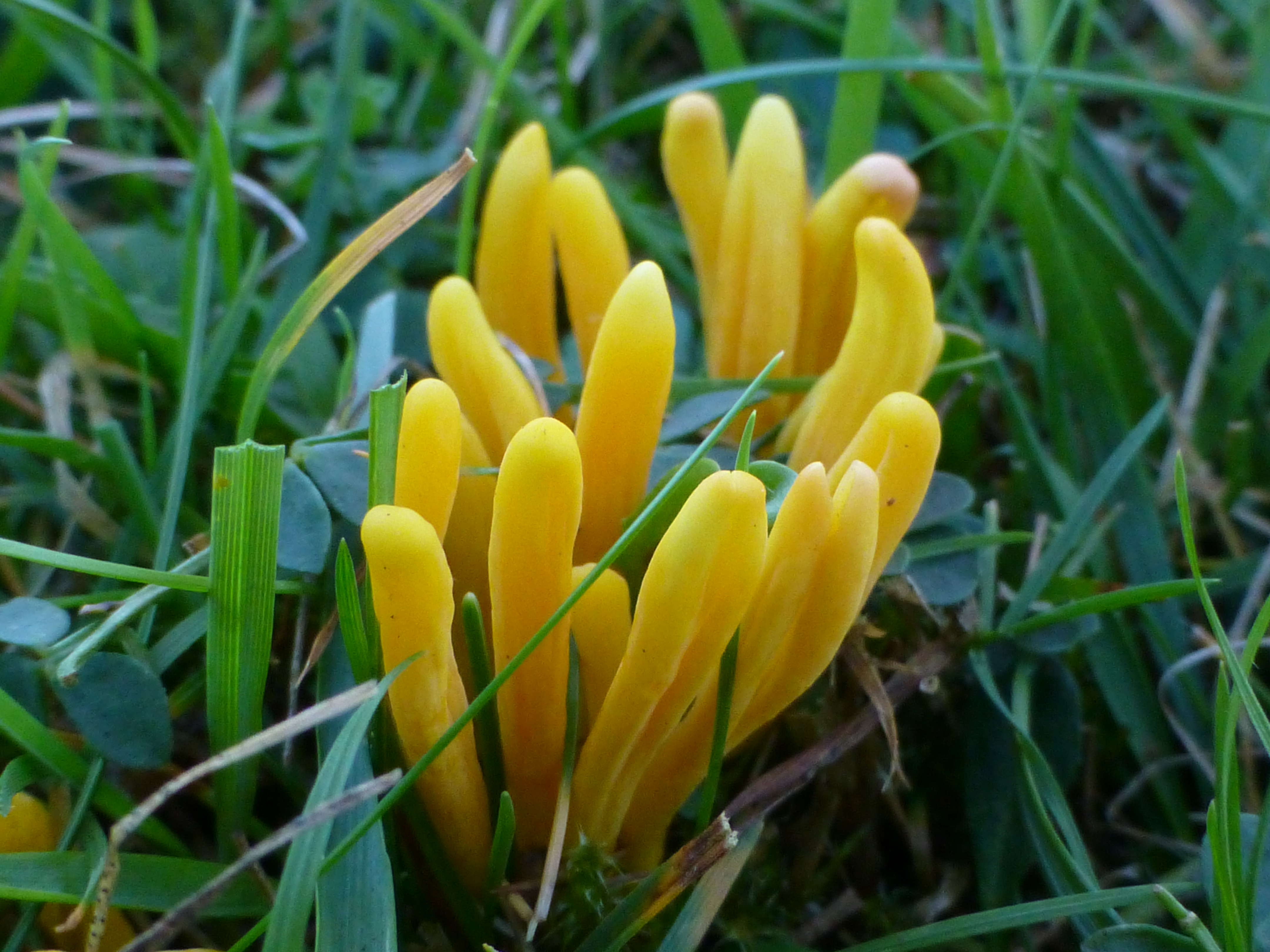
Clavulinopsis helvola
species of fungus

Clavulinopsis corniculata
species of fungus

Ramariopsis kunzei
species of fungus

Mucronella
Mucronella is a genus of fungi in the family Clavariaceae. Species in the genus resemble awl-shaped teeth that grow in groups without a common subiculum (supporting layer of mycelium).

Clavulinopsis laeticolor
species of fungus
Camarophyllopsis
Camarophyllopsis is a genus of agarics (gilled fungi) in the family Clavariaceae. Basidiocarps (fruit bodies) are dull-coloured and have dry caps, rather distant, decurrent lamellae, white spores, and smooth, ringless stems. In Europe species are characteristic of old, unimproved grasslands (termed waxcap grasslands) which are a declining habitat, making them of conservation concern.

Clavaria rosea
species of fungus
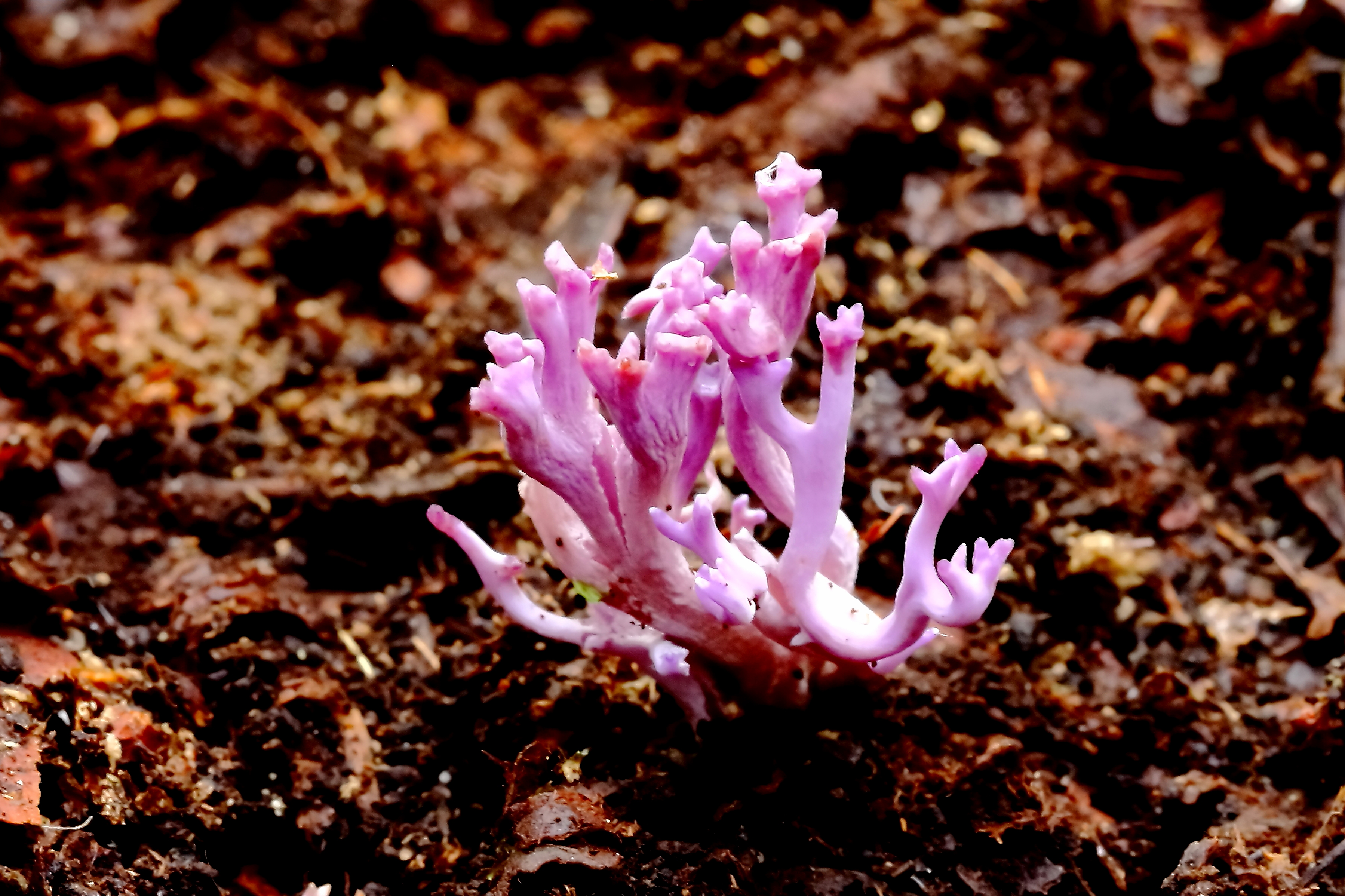
Ramariopsis pulchella
species of fungus

Mucronella flava
species of fungus

Mucronella bresadolae
species of fungus
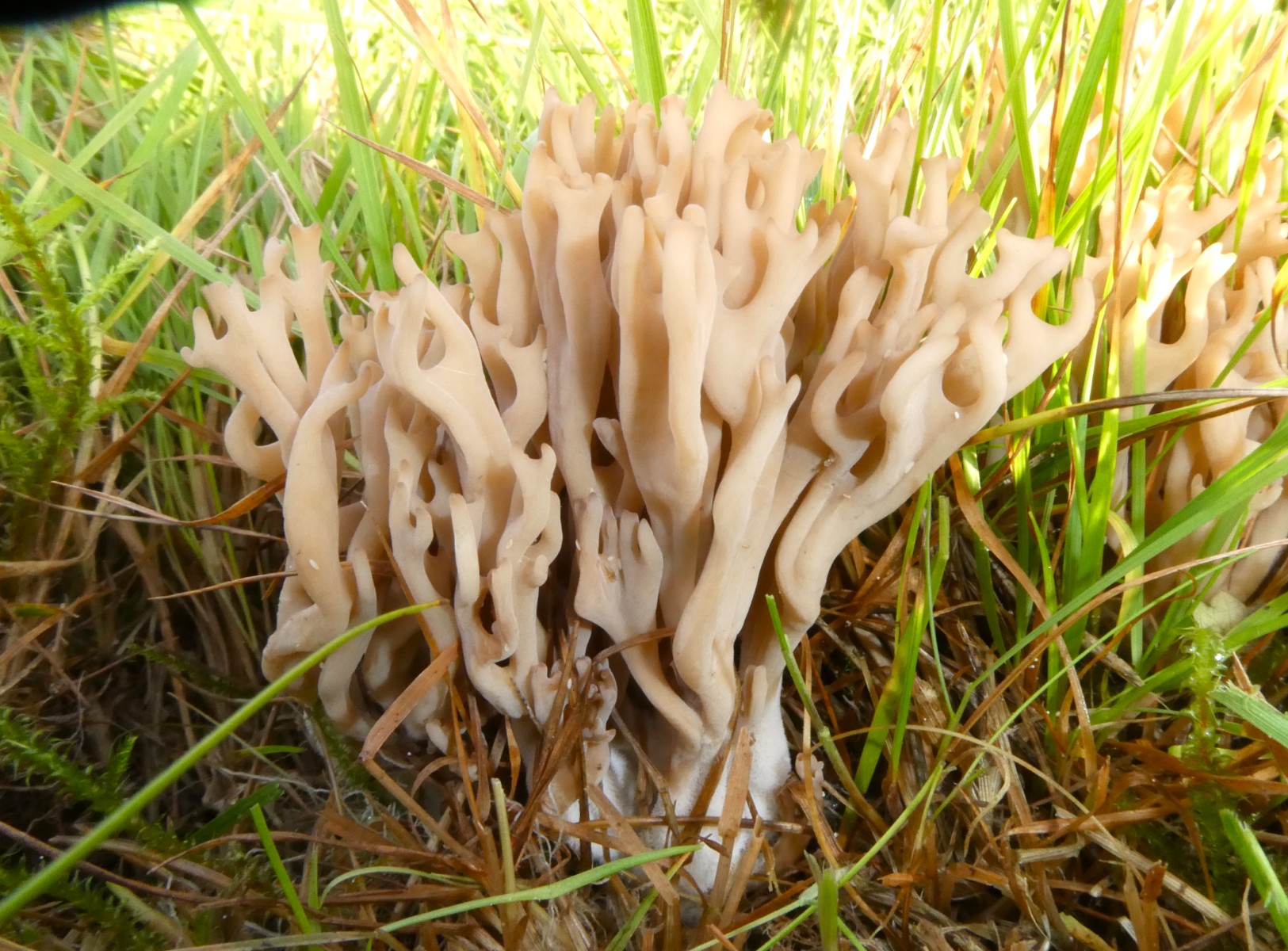
Clavulinopsis umbrinella
species of fungus
Hyphodontiella
Hyphodontiella is a genus of two species of wood-inhabiting corticioid fungi. The genus contains two species found in Nordic countries. Hyphodontiella was circumscribed by Swedish mycologist Åke Strid in 1975. Originally classified in the family Corticiaceae along with most other corticioid fungi, it was moved to the Clavariaceae in 2007 .
Clavulinopsis sulcata
species of fungus
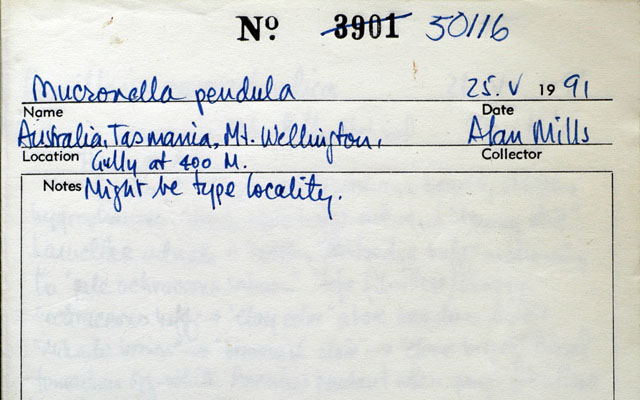
Mucronella pendula
species of fungus
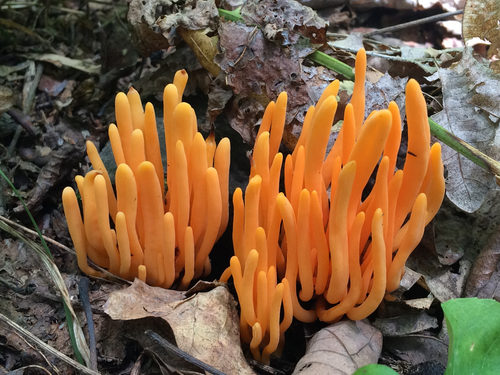
Clavulinopsis aurantiocinnabarina
species of fungus
Hodophilus
Hodophilus is a genus of agarics (gilled fungi) in the family Clavariaceae. Basidiocarps (fruit bodies) are dull-coloured and have dry caps, rather distant, decurrent lamellae, white spores, and smooth, ringless stems. In Europe species are characteristic of old, unimproved grasslands (termed waxcap grasslands) which are a declining habitat, making them of conservation concern. Several species have a distinct odour of naphthalene.
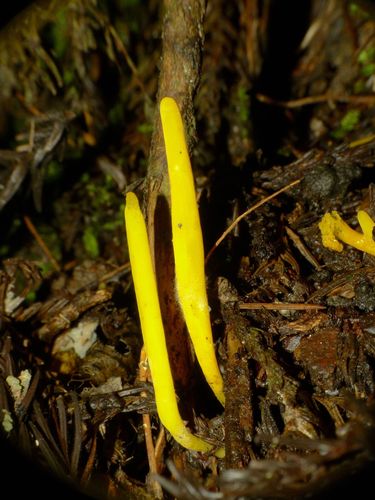
Clavulinopsis amoena
species of fungus
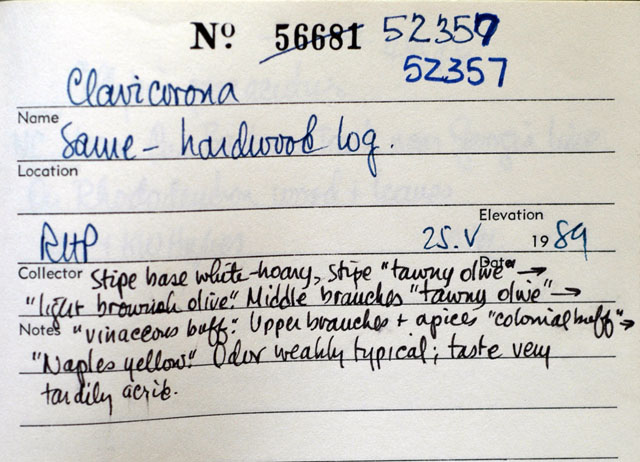
Clavicorona
Clavicorona is a fungal genus in the family Clavariaceae. The genus was circumscribed by Maxwell Stanford Doty in 1947, who included the species C. pyxidata, C. cristata, C. taxophila, and C. candelabrum. E.J.H.Corner added another five species in 1950: C. candelabrum, C. colensoi, C. javanica, C. mairei, and C. tuba. He included C. dichotoma in 1970.
Hirticlavula
Hirticlavula is a fungal genus in the family Clavariaceae. It contains a single described species, Hirticlavula elegans. Formally described in 2014, the fungus has been collected from Norway and Denmark. H. elegans produces white fruit bodies up to in height. Each fruit body contains a fertile head atop a hairy stem. The fruit bodies grow directly from dead bark or wood, where they feed as saprotrophs. Both morphological and ecological details are distinctive when compared to other clavarioid fungi.
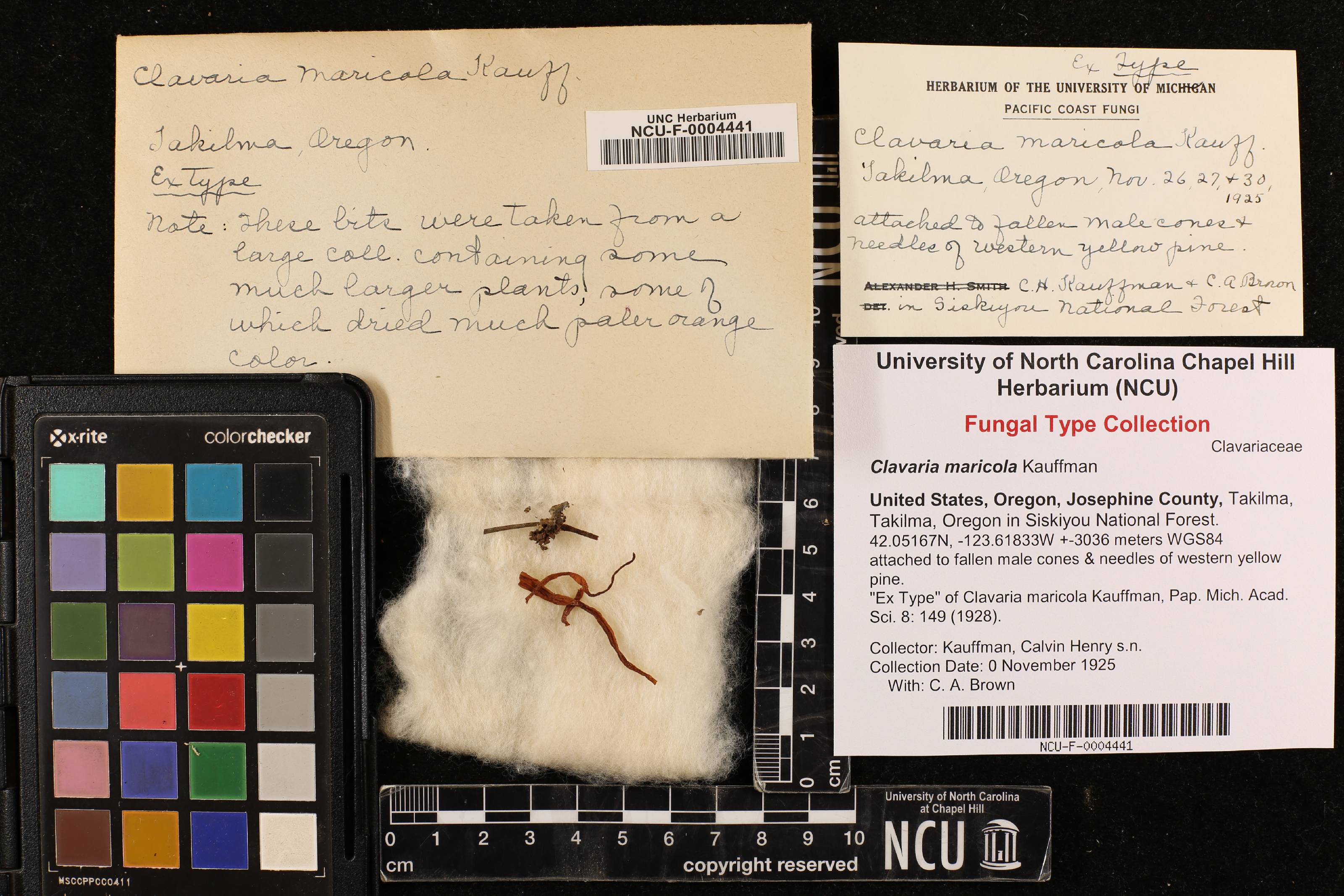
Clavaria maricola
species of fungus
Clavaria globospora
species of fungus