Category
page 1Cnidaria families
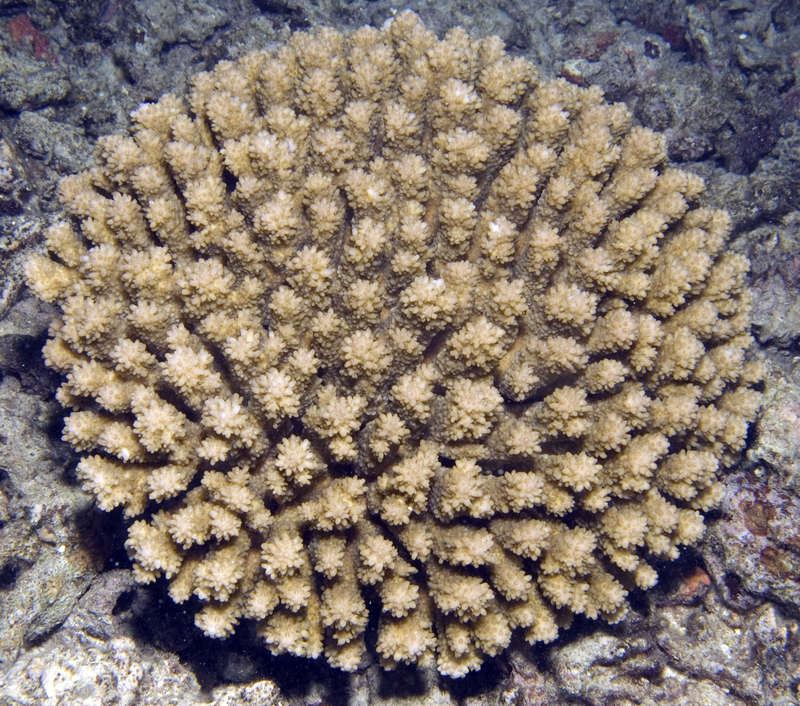
Acroporidae
Acroporidae is a family of small polyped stony corals in the phylum Cnidaria. The name is derived from the Greek "akron" meaning "summit" and refers to the presence of a corallite at the tip of each branch of coral. They are commonly known as staghorn corals and are grown in aquaria by reef hobbyists.
Actiniidae
Actiniidae is the largest family of sea anemones, to which most common, temperate, shore species belong. Most members of this family do not participate in symbioses with fishes. Three exceptions are the bubble-tip anemone (with anemonefish and certain cardinalfish), snakelocks anemone (with Incognito goby) and Urticina piscivora (with painted greenling).

Fungiidae
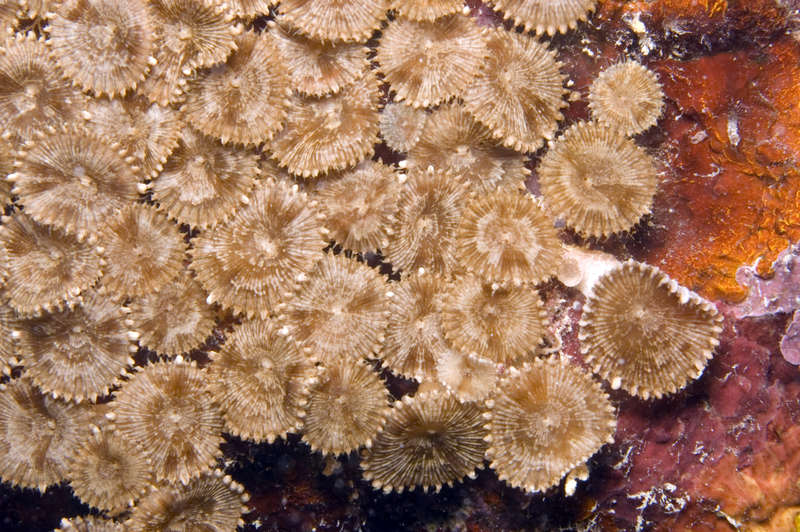
The Fungiidae () are a family of Cnidaria, commonly known as mushroom corals or plate corals. The family contains thirteen extant genera. They range from solitary corals to colonial species. Some genera such as Cycloseris and Fungia are solitary organisms, Polyphyllia consists of a single organism with multiple mouths, and Ctenactis and Herpolitha might be considered as solitary organisms with multiple mouths or a colony of individuals, each with its separate mouth.
Dendrophylliidae
Dendrophylliidae is a family of stony corals. Most (but not all) members are azooxanthellate and thus have to capture food with their tentacles instead of relying on photosynthesis to produce their food. The World Register of Marine Species includes these genera in the family:

Ulmaridae
The Ulmaridae are a family of jellyfish, which includes the moon jellies, and other jellyfish with unique characteristics like Tiburonia granrojo.
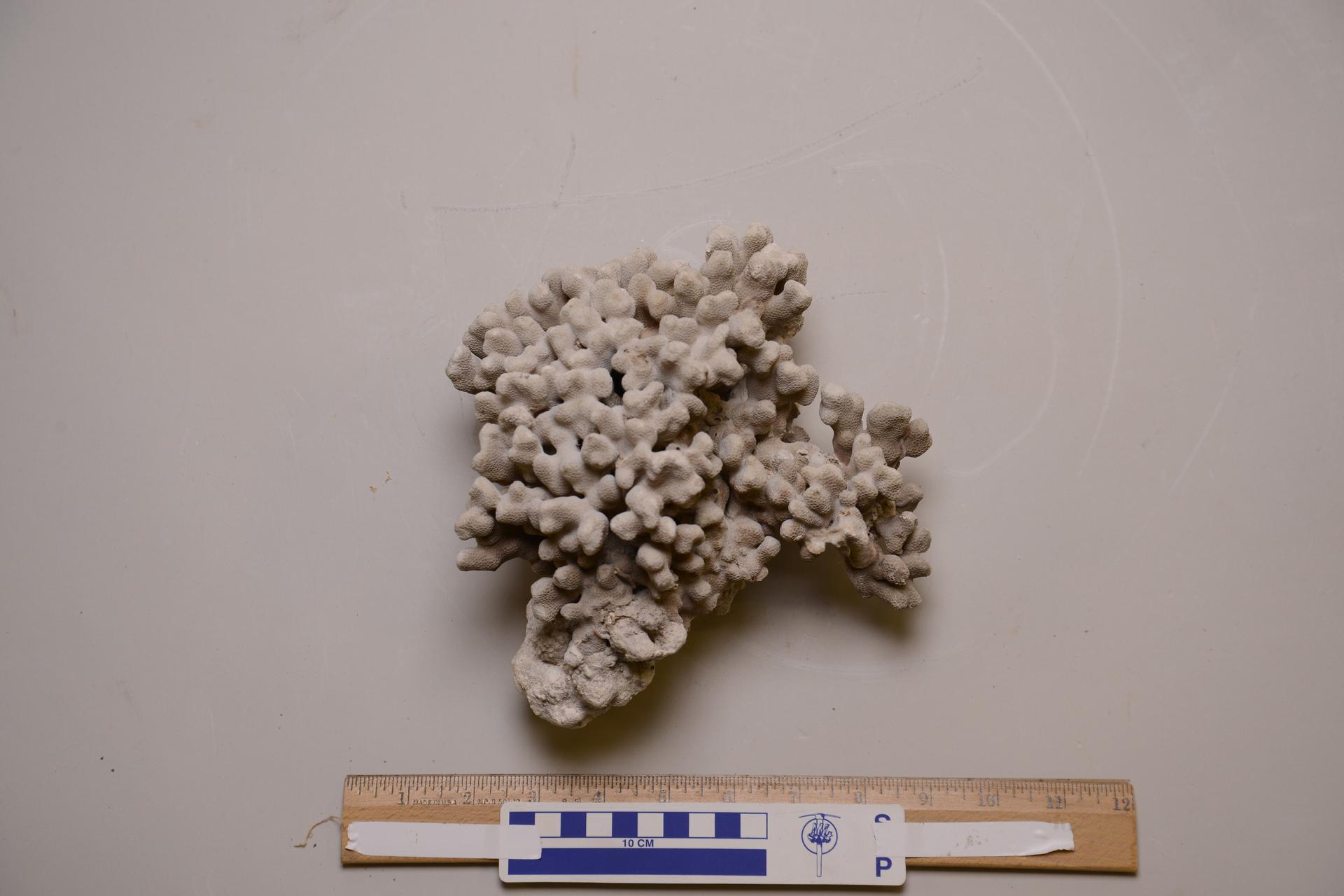
Poritidae
Poritidae is a family of stony corals. Members of the family are colonial hermatypic (reef-building) corals. They are variable in size and form but most are massive, laminar or ramose as well as branching and encrusting. The corallites are compact with very little coenosteum covering the skeleton. The walls of the corallites and the septa are porous. J.E.N. Veron considers the family is not a natural grouping but is a miscellaneous collection of genera that do not fit well elsewhere.

Pelagiidae
The Pelagiidae are a family of jellyfish. Members of the family Pelagiidae have no ring canal, and the marginal tentacles arise from umbrella margin.

Rhizostomatidae
Rhizostomatidae is a family of cnidarians in the class Scyphozoa.
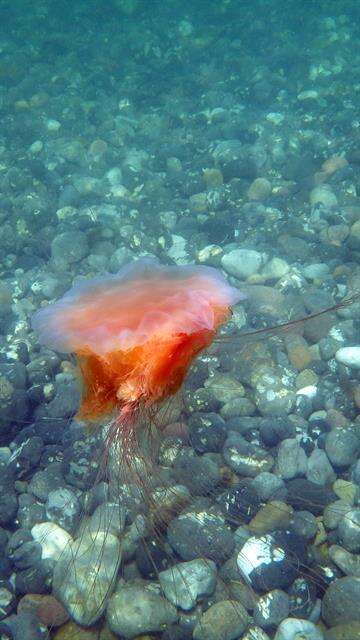
Cyaneidae
The Cyaneidae are a family of true jellyfish. About 20 species are in this family, including the well-known lion's-mane jellyfish.

Caryophylliidae
The Caryophylliidae are a family of stony corals found from the tropics to temperate seas, and from shallow to very deep water.

Agariciidae
The Agariciidae are a family of reef-building stony corals. This family includes cactus corals, plate corals, and lettuce corals. Members of the family include symbiotic algae called zooxanthellae in their tissues which help provide their energy requirements.
Pocilloporidae
The Pocilloporidae are a family of stony corals in the order Scleractinia occurring in the Pacific and Indian Oceans.
%20with%20extended%20polyps.jpg)
Alcyoniidae
Alcyoniidae is a family of leathery or soft corals in the phylum Cnidaria.

Gorgoniidae
thumb|right|Leptogorgia palma
thumb|right|Gorgonia flabellum
Gorgoniidae is a family of soft corals in order Malacalcyonacea. Nearly all the genera and species are native to the east and west coasts of America.

Meandrinidae
The Meandrinidae are a family of stony corals. The name comes from the Greek, maiandros meaning "meandering", referring to the miniature, winding valleys found between the corallites. Fossil corals in this family have been found dating back to the Cretaceous.
Oculinidae
Oculinidae is a family of colonial corals.

Nephtheidae
Nephtheidae is a family of soft corals in the phylum Cnidaria. Members of this family are known as carnation corals, tree corals or colt soft corals. They are very attractive and show a wide range of rich and pastel colours including reds, pinks, yellows and purples. They are popular with reef aquarium hobbyists.

Plexauridae
Plexauridae is a family of marine colonial octocorals in the phylum Cnidaria. Members of this family are found in shallow tropical and subtropical seas. Many species contain symbiotic photosynthetic protists called zooxanthellae.

Melithaeidae
Melithaeidae is a family of corals in the order Malacalcyonacea. Members of the family are commonly known as sea fans and are found on reefs in the tropical regions of the Indo-Pacific.
Oceaniidae
Oceaniidae is one of the over 50 cnidarian families of the order Anthomedusae. It contains nearly 50 species in ten genera.

Stylasteridae
Stylasteridae, also known as lace corals, is a family of colonial hydrozoans with a calcified skeleton. They first appeared 65 million years ago in deep waters. About 10% of the species have adapted to live in water less than deep. The rest are found in deeper water, most commonly between , with the deepest known species observed at a depth of .

Coralliidae
Coralliidae, also known as precious corals, is a taxonomic family of soft corals belonging to the order Scleralcyonacea of the phylum Cnidaria. These sessile corals are one of the most dominant members of hard-bottomed benthic environments such as seamounts, canyons and continental shelves. From this coral family results 69 descendants in which each species plays a key role in forming habitats for a variety of marine species.
Pennatulidae
Pennatulidae is a family of sea pens, a member of the subclass Octocorallia in the phylum Cnidaria.
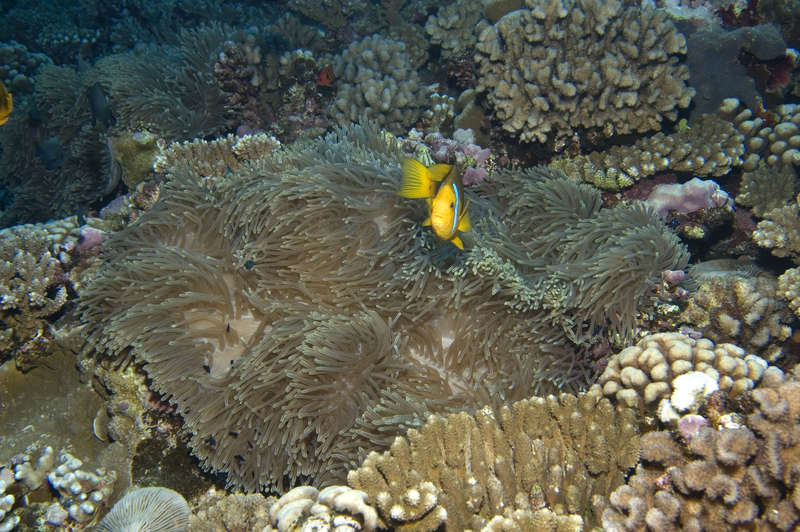
Stichodactylidae
Stichodactylidae is a family of sea anemones that contains the genera Stichodactyla (carpet anemones) and Radianthus. These species reside exclusively within the shallow waters of the tropical Indo-Pacific area and are in the main family of sea anemones that hosts several varieties of clownfishes. Most species of sea anemones are harmless to humans, but at least some species of the genus Stichodactyla are highly venomous and their sting may cause anaphylactic shock and organ failure (notably acute liver failure). In contrast, the venom of Radianthus spp. has shown potential in the treatment of

Merulinidae
Merulinidae is a family of reef-building stony corals.
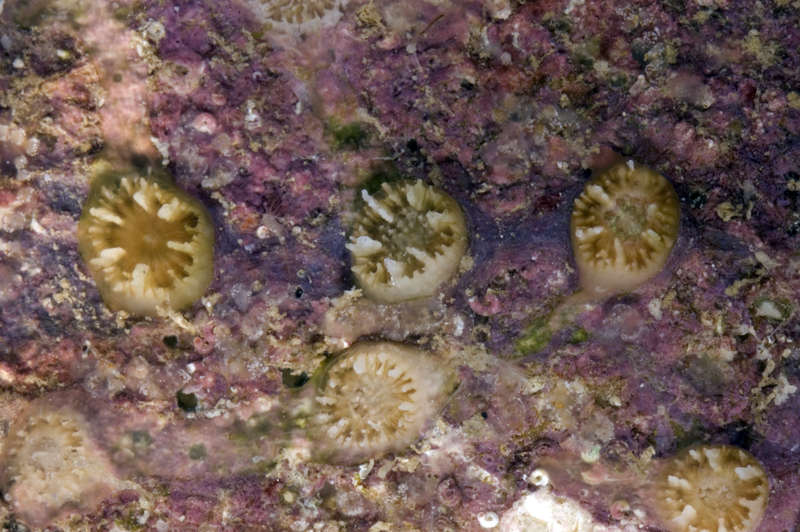
Rhizangiidae
Rhizangiidae is a family of stony corals in the order Scleractinia. This family is closely related to Oculinidae. Members of this family are non-reef building corals and reproduce from stolons. The corallites are small and the septa are simple.
Olindiidae
Olindiidae is a family of hydrozoans in the order Limnomedusae. They have a polyp phase and a medusa phase. The polyps are generally small (1 mm) and solitary, but a few species are colonial. They have a varying number of tentacles and can reproduce by budding. In the largest species, the medusae can grow to . Centripetal canals may be present or absent and the radial canals are unbranched. The gonads are beside the radial canals, except in Limnocnida, where they are on the manubrium. The fertilised eggs develop into planula larvae which become polyps. These multiply asexually or can bud
Subergorgiidae
Subergorgiidae is a family of corals, a member of order Malacalcyonacea in phylum Cnidaria.

Actinostolidae
Actinostolidae is a family of sea anemones in the order Actiniaria. Members of this family are deep sea species, with some occurring at hydrothermal vents.

Primnoidae
Primnoidae is a family of soft corals.

Xeniidae
Xeniidae is a family of soft coral in the order Malacalcyonacea.
Gardineriidae
Gardineriidae is a family of corals belonging to the order Scleractinia.

Siderastreidae
Siderastreidae is a family of reef building stony corals. Members of the family include symbiotic algae called Zooxanthellae in their tissues which help provide their energy requirements.

Parazoanthidae
Parazoanthidae is a family of cnidarians.
Euphylliidae
Euphylliidae (Greek eu-, true; Greek phyllon, leaf) are known as a family of polyped stony corals under the order Scleractinia.
Nausithoidae
Nausithoidae is a family of jellyfish.
Mastigiidae
Mastigiidae is a family of true jellyfish. The family is native to the Indo-Pacific, but a species of Mastigias has been introduced to the West Atlantic, and Phyllorhiza punctata has been introduced to the West Atlantic and Mediterranean Sea.

Astrocoeniidae
Astrocoeniidae is a family of stony corals. The family is distributed across the tropical and subtropical oceans worldwide.
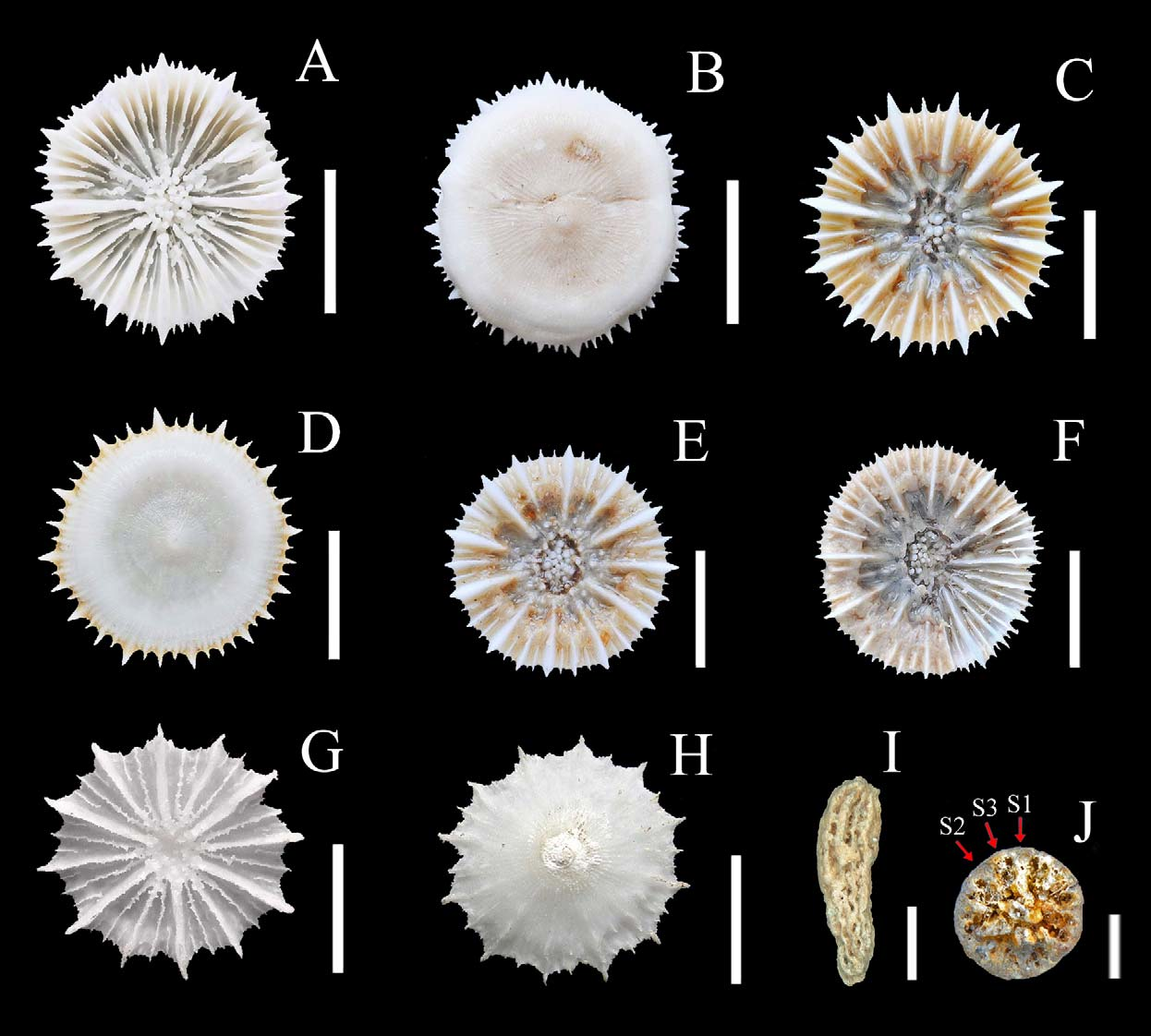
Turbinoliidae
Turbinoliidae is a family of reef building stony corals.
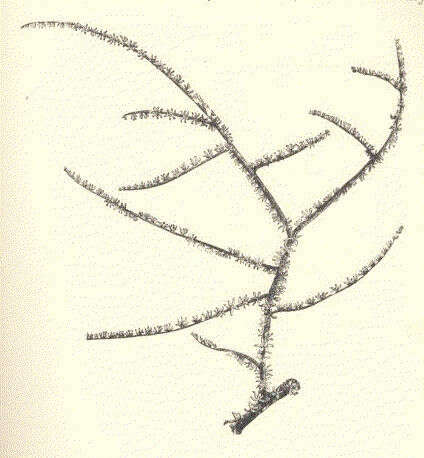
Antipathidae
Antipathidae is a family of corals in the order Antipatharia, commonly known as black corals. They are generally considered a deep-water taxon; however, some of the most diverse communities are known from tropical shallow waters.
Discosomatidae
Discosomidae is a family of marine cnidarians closely related to the true sea anemones (Actiniaria). It contains five genera:
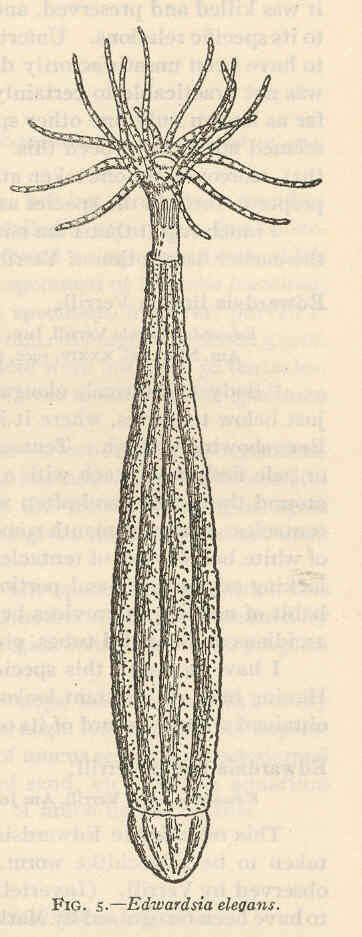
Edwardsiidae
Edwardsiidae is a family of sea anemones. Edwardsiids have long thin bodies and live buried in sediments or in holes or crevices in rock.

Mussidae
thumbnail|Close up of Diploria labyrinthiformis, [[Vieques, Puerto Rico]]

Phymanthidae
Phymanthidae is a family of sea anemones belonging to the order Actiniaria.
Cepheidae
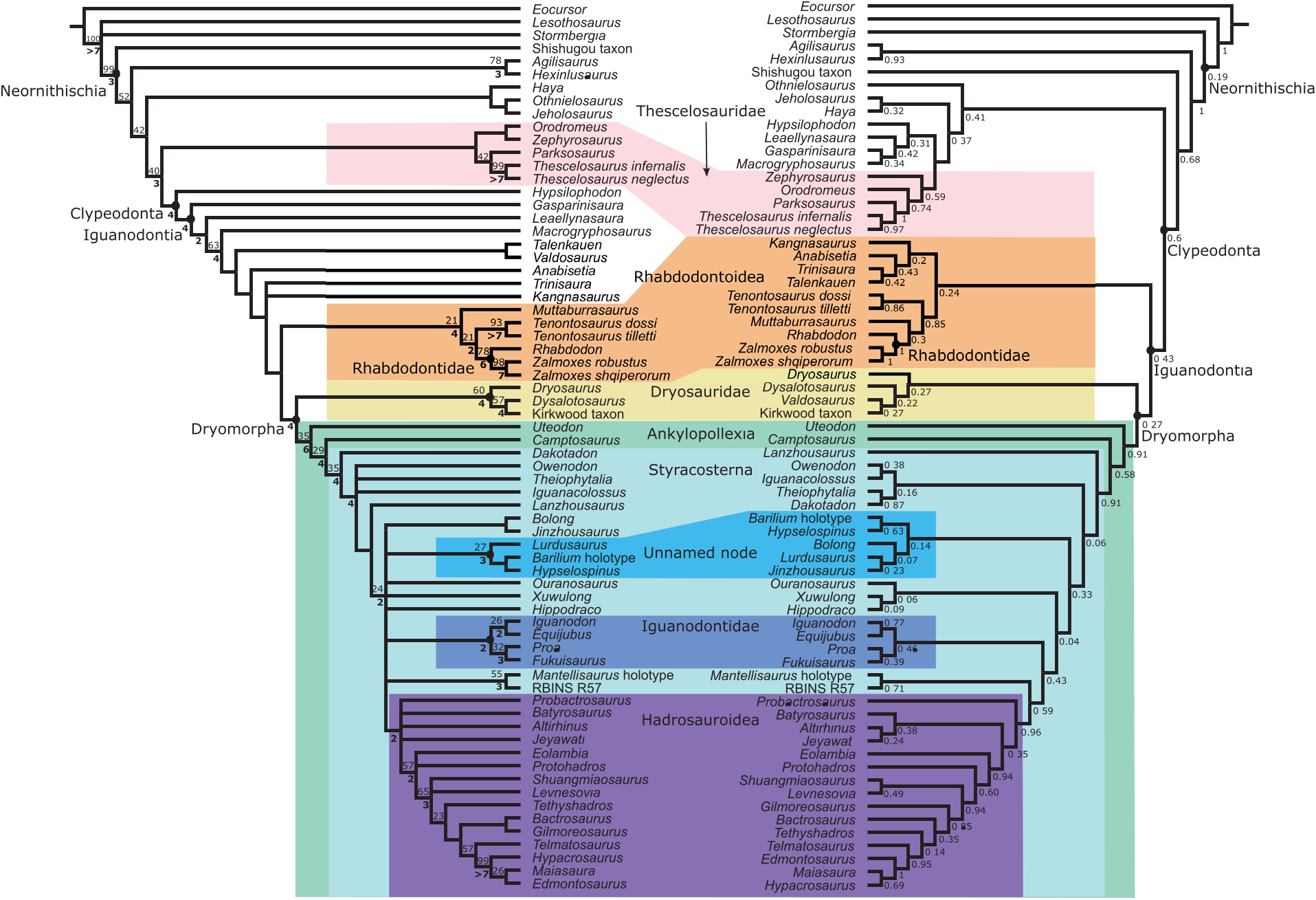
family of cnidarians
Zoanthidae
Zoanthidae is a family of cnidarians.
Clavulariidae
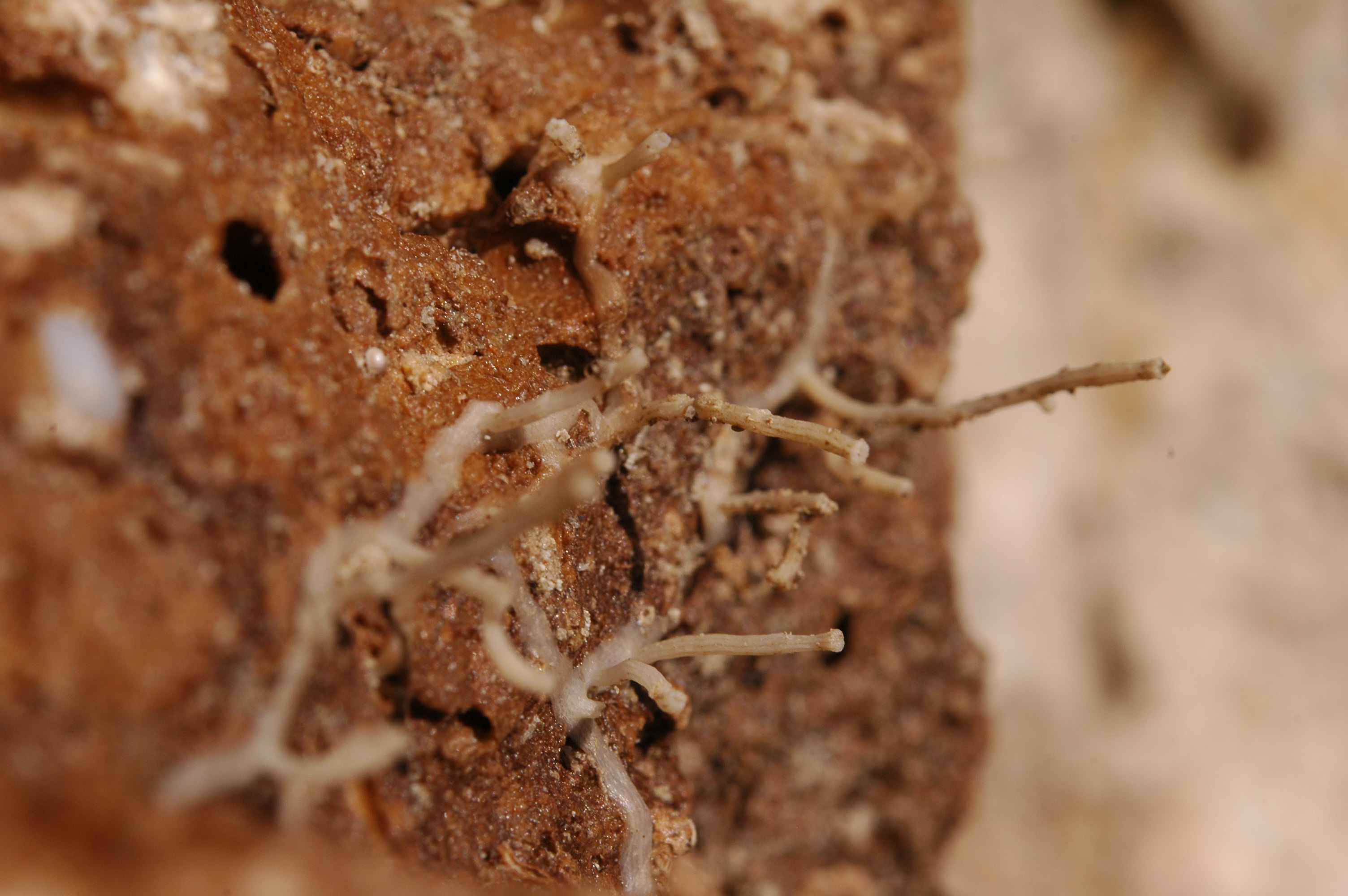
Clavulariidae is a family of soft corals in the order Malacalcyonacea. Colonies in this family consist of separate retractable polyps growing from a horizontal, encrusting stolon or basal membrane. The tissues are stiffened by sclerites.

Nidaliidae
Nidaliidae is a family of soft corals in the phylum Cnidaria. Some members of this family are similar in appearance to gorgonians (sea fans). They are difficult to keep in the reef aquarium because they do not contain symbiotic zooxanthellae and therefore need to be fed on zooplankton. Others, in the genera Agaricoidea, Nidalla and Pieterfaurea, more resemble members of the family Nephtheidae and these are somewhat easier to keep in the aquarium.
Ifalukellidae
Ifalukellidae is a family of corals belonging to the order Scleralcyonacea.

Campanulariidae
Campanulariidae is a family of hydrozoans in the phylum Cnidaria, or stinging-celled animals. Campanulariidae is composed entirely of hydoids, a Greek term meaning "water animals" applied to the plant-like polyp colonies of the class Hydrozoa. All species of the Campanulariidae are aquatic in habitat, primarily inhabiting coastal regions and tidal pools.
Briareidae
Briareidae is a family of corals, a member of the phylum Cnidaria.
Periphyllidae
Periphyllidae is a family of jellyfish containing four genera and six species. The most well-known member of the family, Periphylla periphylla, is usually considered a deep-sea species, but it forms large blooms in surface waters of Norwegian fjords.

Schizopathidae
Schizopathidae is a family of corals belonging to the order Antipatharia.
Hydractiniidae
Hydractiniidae is a cnidarian family of athecate hydroids.

Chirodropidae
Chirodropidae is a family of venomous box jellyfish within the class Cubozoa. Like other members of the order Chirodropida, they have branched pedalia (muscular bases at the corners of their cubic umbrella), in contrast to the unbranched pedalia of box jellyfish in the order Carybdeida. Each branch houses its own individual tentacle. Nematocyst composition and type can vary among individuals within this family based on body size and life stage. Like other box jellyfish, chirodropids can be found in coastal and shallow marine areas, but they have also been found to occur at benthic depths.
thu
Veretillidae
Veretillidae is a family of sea pens.

Flabellidae
Flabellidae is a family of marine corals. It consists of the following genera:
Blastotrochus Milne Edwards & Haime, 1848
†Conosmilia Duncan 1865
Falcatoflabellum Cairns, 1995
Flabellum Lesson, 1831
Javania Duncan, 1876
Monomyces Ehrenberg, 1834
Placotrochides Alcock, 1902
Placotrochus Milne Edwards & Haime, 1848
Polymyces Cairns, 1979
Rhizotrochus Milne Edwards & Haime, 1848
†Tortoflabellum Squires, 1958
Truncatoflabellum Cairns, 1989
Aiptasiidae
Aiptasiidae is a family of sea anemones, comprising the following genera:
Acaulidae
Acaulidae is a family of cnidarians belonging to the order Anthoathecata.

Tubulariidae
Tubulariidae is a family of hydroid cnidarians. For long placed in a presumed superfamily or infraorder Tubulariida of suborder Capitata, they are actually close relatives of the Hydridae and are now united with these and a number of relatives in a newly recognized suborder Aplanulata. Most if not all species in this family grow on stalks and resemble small flowers.