Category
page 1Coatings
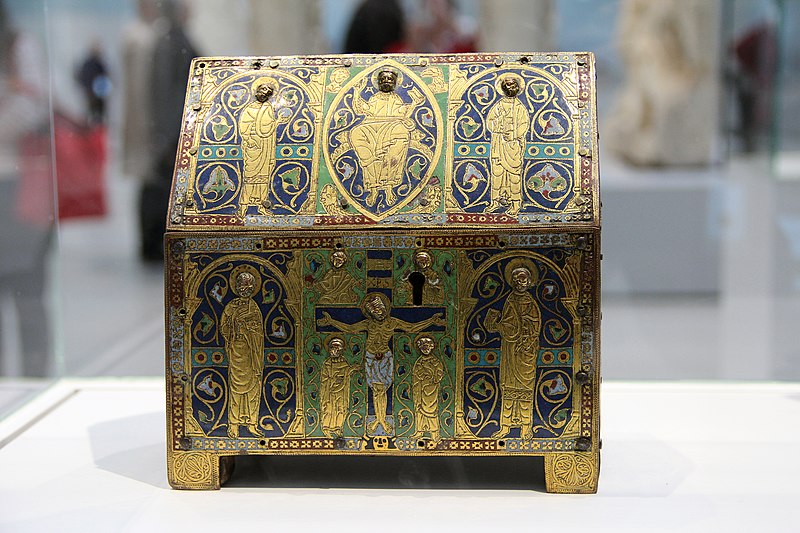
vitreous enamel
material made by fusing powdered glass to a substrate by firing

polyurethane
class=skin-invert-image|thumb|right|Polyurethane synthesis: the urethane groups −NH−(C=O)−O− link the molecular units, resulting in a polymer consisting of an alternating chain of two monomers.
thumb|A kitchen sponge made of polyurethane foam
%20MET%20DP704215.jpg)
lacquer
thumb|upright=1.2|Lacquerware|Lacquer dish with Chinese character for longevity, mid 16th century
thumb|Maki-e [[sake bottle with Tokugawa clan's mon (emblem), Japan, Edo period]]
thumb|Lacquer plate, Nam Định province, Vietnam, Nguyễn dynasty

anodizing
right|thumb|These carabiners have an anodized aluminium surface that has been dyed; they are made in many colors.
Chemical vapor deposition
process used to make thin films for semiconductors or surface coating
bluing
process that partially protects steel

coating
thumb|Lacquer being sprayed onto a cabinet
A coating is a covering that is applied to the surface of an object, or substrate. The purpose of applying the coating may be decorative, functional, or both. Coatings may be applied as liquids, gases or solids e.g. powder coatings.
titanium nitride
a compound for coating metals
%20b.jpg)
Zimmerit
thumb|right|alt=Tank Ace Michael Wittmann, wearing Waffen SS dress uniform, sits atop the main gun of his Tiger tank. The tank is covered in a ridged paste.|Close view of Zimmerit on the turret and hull of Michael Wittmann's Tiger I.
thumb|right|Close view of Zimmerit on the corner of a Tiger II
thumb|right|Close view of Zimmerit on the glacis of a Tiger II
physical vapor deposition
term in physics

sputtering
thumb|250px|A commercial AJA Orion sputtering system at Cornell NanoScale Science and Technology Facility
thumb|Ion thruster operating on iodine (yellow) using a xenon (blue) hollow cathode. High-energy ions emitted from Spacecraft electric propulsion|plasma thrusters sputter material off the surrounding test chamber, causing problems for ground testing of high-power thrusters.
In physics, sputtering is a phenomenon in which microscopic particles of a solid material are ejected from its surface, after the material is itself bombarded by energetic particles of a plasma or gas. It occurs natural

tinning
right|thumb|Tin layer on the inside of a tin can
Tinning is the process of thinly coating sheets of wrought iron or steel with tin, and the resulting product is known as tinplate. The term is also widely used for the different process of coating a metal with solder before soldering.

tinplate
thumb|A worker Pickling (metal)|pickling tin in a tin factory in South Wales during World War I
thumb|A worker removes tin plates from an annealing stand in a South Wales factory during World War I
Tinplate consists of sheets of steel coated with a thin layer of tin to impede rusting. Before the advent of cheap mild steel, the backing metal (known as "") was wrought iron. While once more widely used, the primary use of tinplate now is the manufacture of tin cans.
thermal spraying
materials processing technology
phosphate conversion coating
technique of protection of steel surfaces against corrosion

whitewash
thumb|Three different brands of kalsomine
hot-dip galvanizing
process of coating iron or steel with molten zinc

alkyd
An alkyd is a polyester resin modified by the addition of fatty acids and other components. Alkyds are derived from polyols and organic acids including dicarboxylic acids or carboxylic acid anhydride and triglyceride oils. The term alkyd is a modification of the original name "alcid", reflecting the fact that they are derived from alcohol and organic acids. The inclusion of a fatty acid confers a tendency to form flexible coatings. Alkyds are used in paints, varnishes and in moulds for casting. They are the dominant resin or binder in most commercial oil-based coatings. Approximately 200,000 t
chromium nitride
chemical compound

plating
thumb|Barel plating method(Japan)
Plating is a finishing process in which a metal is deposited on a surface. Plating has been done for hundreds of years; it is also critical for modern technology. Plating is used to decorate objects, for corrosion inhibition, to improve solderability, to harden, to improve wearability, to reduce friction, to improve paint adhesion, to alter conductivity, to improve IR reflectivity, for radiation shielding, and for other purposes. Jewelry typically uses plating to give a silver or gold finish.
silicate mineral paint
paint coats with mineral binding agents
gold plating
process of coating an object with a thin adherent layer of gold
substrate
term used in materials science to describe the base material on which processing is conducted

madapolam
right|thumb|150px|Madapollam's linen weave pattern.

metallizing
300px|thumb|Radiation hardened Die (integrated circuit)|die of the 1886VE10 [[microcontroller prior to metalization etching]]
thumb|Radiation hardened Die (integrated circuit)|die of the 1886VE10 [[microcontroller after a metalization etching process has been used]]
thumb|Gold-plated phone belonging to the dictator Fulgencio Batista|Batista at the Revolution Museum in Havana
chromate conversion coating
chemical treatment of metals to prevent their corrosion
Diamond-like carbon
class of amorphous carbon material
enamel paint
paint that air dries to a hard, usually glossy, finish, used for coating surfaces that are outdoors or otherwise subject to hard wear or variations in temperature
black oxide
coating for metals
cathodic arc deposition
type of physical vapor deposition technique

Dip-coating
[[File:Dip coating.svg|thumb|A schematic of the continuous dip coating process.
conversion coating
type of metal coating
enamelled glass
glass which has been decorated with vitreous enamel
Dulux
thumb|A Dulux store in Richmond Hill, Ontario
thumb|A Dulux store in Hong Kong
enteric coating
tablet coating to delay release of the medication until after the tablet leaves the stomach
rust converter
type of useful chemical solution
salt spray test
corrosion test method
vernis Martin
style of lacquering after Martin brothers
gas dynamic cold spray
coating deposition method
aircraft dope
lacquer applied to fabric-covered aircraft
UV coating
A surface coating hardened by UV light
Paint adhesion testing
ISO 2409:2003
Rugosity
Rugosity, fr, is a measure of small-scale variations of amplitude in the height of a surface,
Nanoparticle deposition
process of attaching nanoparticles to solid surfaces
dimethylolpropionic acid
chemical compound
Mechanical plating
Parkerizing
REDIRECT Phosphate conversion coating#Parkerizing