Category
page 1Collaboration with Nazi Germany

Iron Guard
Romanian ultranationalist movement (1930–1941)
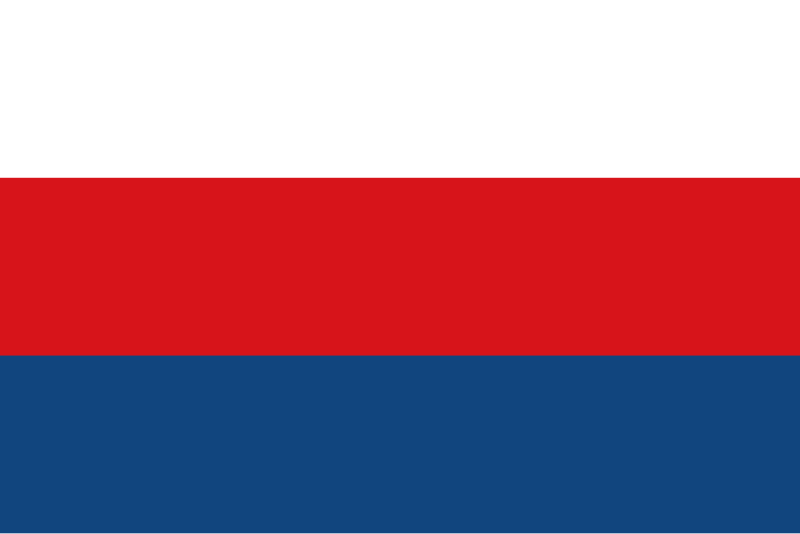
Protectorate of Bohemia and Moravia
autonomous administrative unit of Nazi Germany in the occupied Czech lands (1939–1945)
.svg)
Chetniks
The Chetniks, formally the Chetnik Detachments of the Yugoslav Army, and also the Yugoslav Army in the Homeland and informally colloquially the Ravna Gora Movement, was a Yugoslav royalist and Serbian nationalist movement and guerrilla force in Axis-occupied Yugoslavia. Although it was not a homogeneous movement, it was led by Draža Mihailović. While it was anti-Axis in its long-term goals and engaged in marginal resistance activities for limited periods, it also engaged in tactical or selective collaboration with Axis forces for almost all of the war. The Chetnik movement adopted a policy of
Arrow Cross Party
1935–1945 fascist political party in Hungary

Prince Aimone, 4th Duke of Aosta
Italian prince and navy officer (1900-1948)

Volksdeutsche
In Nazi German terminology, '''' () were "people whose language and culture had German origins but who did not hold German citizenship." The term is the nominalised plural of volksdeutsch, with denoting a singular female, and , a singular male. The words Volk and völkisch'' conveyed the meanings of "folk".

Kapo
A kapo was a type of prisoner functionary () at Nazi concentration and extermination camps. They were, whether voluntary or coerced, collaborators who worked under the Schutzstaffel (SS) to carry out administrative tasks or supervise the forced labour of inmates. Given authority over their fellow prisoners, they would often enjoy comparatively better conditions at the camps, such as increased food rations and less physical brutality from SS guards. Due to their privileged status and actions, kapos were highly resented and were frequently lynched by other prisoners when the camps were liberated
Nasjonal Samling
Norwegian political party (1933–1945)
7th SS Volunteer Mountain Division Prinz Eugen
Waffen-SS division
Operation Panzerfaust
military operation to occupy Hungary in October 1944
Balli Kombëtar
1942-1945 political and military organization in Albania
German occupation of Albania
1943–1944 occupation during World War II
11th SS Volunteer Panzergrenadier Division Nordland
Military Division
Quisling regime
fascist collaboratonist government in German-occupied Norway during World War II
German American Bund
American Nazi organization
Sudeten German Party
political party

Ostlegionen
thumb|Soldiers of the Turkestan Legion in France, .
thumb|upright|Members of the North Caucasian Legion in France in 1943.
1941 Iraqi coup d'état
coup d'état
.jpg)
Schutzmannschaft
The Schutzmannschaft, or Auxiliary Police ( "protection team"; plural: Schutzmannschaften, abbreviated as Schuma) was the collaborationist auxiliary police of native policemen serving in those areas of the Soviet Union and the Baltic states occupied by Nazi Germany during World War II. Heinrich Himmler, head of the Schutzstaffel (SS), established the Schutzmannschaft on 25 July 1941, and subordinated it to the Order Police (Ordnungspolizei; Orpo). By the end of 1941, some 45,000 men served in Schutzmannschaft units, about half of them in the battalions. During 1942, Schutzmannschaften expanded
Slovak People's Party
political party
July Putsch
coup d'état attempt in Austria in 1934
collaboration with Nazi Germany and Fascist Italy
alliance with the Axis powers during World War II by various citizens and organizations
Volksdeutscher Selbstschutz
military unit
Operation Pastorius
1942 attempted WWII German sabotage operation against the Continental United States
Yugoslav National Movement
political party
Ossewabrandwag
The Ossewabrandwag (OB) (, from and - Ox-wagon Sentinel) was an Afrikaner nationalist organization, founded in South Africa in Bloemfontein on 4 February 1939. It was strongly opposed to South African participation in World War II, had hostile views toward the United Kingdom and was sympathetic to Nazi Germany. In late 1940, the Ossewabrandwag plotted a pro-German insurrection against Prime Minister Jan Smuts; however, the plan was aborted.
Committee for the Liberation of the Peoples of Russia
Russian Anti-Soviet collaborationist political organisation
Silver Legion of America
underground American fascist organization

Pērkonkrusts
Pērkonkrusts (, "Thunder Cross") was a Latvian ultranationalist, anti-German, anti-Slavic, and antisemitic political party founded in 1933 by Gustavs Celmiņš, borrowing elements of German nationalism—but being unsympathetic to Nazism at the time—and Italian Fascism. It was outlawed in 1934, its leadership arrested, and Celmiņš eventually exiled in 1937. Still-imprisoned members were persecuted under the first Soviet occupation; some collaborated with subsequently invading Nazi Germany forces in perpetrating the Holocaust. Pērkonkrusts continued to exist in some form until 1944, when Celmiņš, w
German National Movement in Liechtenstein
political party
Security Battalions
Collaborationist paramilitaries in Nazi-occupied Greece during World War II
Germanic-SS
Nordic SS groups which arose in Occupied Europe between 1939 and 1945
Serbian State Guard
collaborationist paramilitary force
Union of Bulgarian National Legions
youth organization
Golden Square
group of Iraqi military officers

German-occupied territory of Montenegro
part of Yugoslavia occupied by Germany

Sonderdienst
Sonderdienst (German for "Special Services") were mostly non-German Nazi paramilitary formations created in the occupied General Government during the occupation of Poland in World War II. They were based on similar SS formations called Volksdeutscher Selbstschutz operating in the Warthegau district of German-annexed western Poland in 1939.

Sudeten German uprising
pro-German rebellion against Czechoslovakian government

Selbstschutz
Selbstschutz (German for "self-protection") is the name given to different iterations of ethnic-German self-protection units formed both after World War I and in the lead-up to World War II.

National Alliance of Russian Solidarists
voluntary association
Ustaše Army
military unit
Government Army
Army of the Protectorate of Bohemia and Moravia
Volksdeutsche Bewegung
political party and racial movement

Omakaitse
The Omakaitse ('self guard') was a militia organisation in Estonia. It was founded in 1917 following the Russian Revolution. On the eve of the occupation of Estonia by the German Empire, the Omakaitse units took over major towns in the country allowing the Salvation Committee of the Estonian Provincial Assembly to proclaim the independence of Estonia. After the German Occupation the Omakaitse became outlawed.

Anti-Bolshevik Bloc of Nations
international anti-communist organization
Gold shirts
organization
Sonderabteilung Lola
military unit
Lord Haw-Haw
nickname
Førergarde
thumb|Quisling inspecting the Førergarde. Picture from the National Archives of Norway.
The Førergarde ('leader guard' in Norwegian) was the personal guard of Vidkun Quisling, the leader of the puppet Norwegian government during World War II.
Swedish iron mining during World War II
prime source of iron for Nazi Germany
Commissioner Government
puppet administration of Serbia in World War II
Operation Zeppelin
1941–45 German scheme to recruit Soviet POWs for espionage behind Russian lines
Kosovo Regiment
Axis military unit created after Italian capitulation in November 1943 in Kosovska Mitrovica, Territory of the Military Commander in Serbia (modern day Kosovo) by Nazi Germany
Holy Cross Mountains Brigade
military unit
Midsummer crisis
June 1941 political crisis in Sweden
Hlinka Guard Emergency Divisions
military unit
collaboration in the German-occupied Soviet Union
aspect of World War II history
Swedish Volunteer Company
Swedish volunteer soldiers in the Finnish army
Francoist Spain and the Holocaust
Spanish state's involvement in the Holocaust
Deutscher Volksverband
political party