Category
page 1Colorectal surgery

hemorrhoid
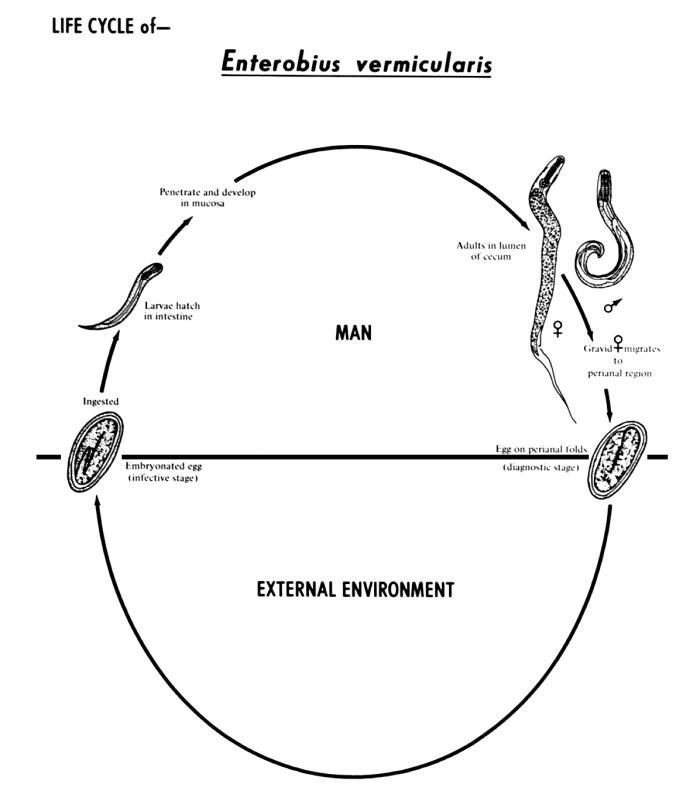
Enterobius vermicularis
species of worm
enterobiasis
parasitic disease
proctology
branch of medicine dealing with the structure and diseases of the anus, rectum, and sigmoid colon
anal fistula
anus disease characterized by an abnormal connection between the epithelialised surface of the anal canal and the perianal skin
steatorrhea
Steatorrhea (or steatorrhoea) is the presence of excess fat in feces. Stools may be bulky and difficult to flush, have a pale and oily appearance, and can be especially foul-smelling. An oily anal leakage or some level of fecal incontinence may occur. There is increased fat excretion, which can be measured by determining the fecal fat level.
rectal prolapse
rectal walls have prolapsed to a degree where they protrude out the anus and are visible outside the body
germ cell tumor
medical condition
imperforate anus
congenital disorder of digestive system
Anorectal manometry
Medical functional test of the anus and rectum
gonadoblastoma
A gonadoblastoma is a complex neoplasm composed of a mixture of gonadal elements, such as large primordial germ cells, immature Sertoli cells or granulosa cells of the sex cord, and gonadal stromal cells. Gonadoblastomas are by definition benign, but more than 50% have a co-existing dysgerminoma which is malignant, and an additional 10% have other more aggressive malignancies, and as such are often treated as malignant.
endodermal sinus tumor
germ cell cancer that has material basis in cells that line the yolk sac of the embryo
anoscopy
An anoscopy is a medical examination using a small, rigid, tubular instrument called an anoscope (also called a rectal speculum). This is inserted a few centimeters into the anus in order to evaluate problems of the anal canal. Anoscopy is used to diagnose hemorrhoids, anal fissures (tears in the lining of the anus), and some cancers.
defecography
Defecography (also known as proctography, defecating/defecation proctography, evacuating/evacuation proctography or dynamic rectal examination) is a type of medical radiological imaging in which the mechanics of a patient's defecation are visualized in real time using a fluoroscope. The anatomy and function of the anorectum and pelvic floor can be dynamically studied at various stages during defecation.
anismus
Anismus or dyssynergic defecation is the failure of normal relaxation of pelvic floor muscles during attempted defecation. It can occur in both children and adults, and in both men and women (although it is more common in women). It can be caused by physical defects or it can occur for other reasons or unknown reasons. Anismus that has a behavioral cause could be viewed as having similarities with parcopresis, or psychogenic fecal retention.
transanal irrigation
medical treatment
proctoscopy
Proctoscopy, (from Ancient Greek πρωκτός (prōktós), meaning "anus", and σκοπέω (skopéō), meaning "to look") or rectoscopy, is a common medical procedure in which an instrument called a proctoscope (also known as a rectoscope, although the latter may be a bit longer) is used to examine the anal cavity, rectum, or sigmoid colon. A proctoscope is a short, straight, rigid, hollow metal tube, and usually has a small light bulb mounted at the end. It is approximately 15 cm (5 inches) long, while a rectoscope is approximately 25 cm (10 inches) long. During proctoscopy, the proctos