Category
page 1Commedia dell'arte

commedia dell'arte
form of theatre originating in Italy

Pagliacci
Pagliacci (; literal translation, 'Clowns') is an Italian opera in a prologue and two acts, with music and libretto by Ruggero Leoncavallo. The opera tells the tale of Canio, actor and leader of a commedia dell'arte theatrical company, who murders his wife Nedda and her lover Silvio on stage during a performance. Canio portrays on stage the character of Pagliaccio (Pierrot), while Nedda portays Pierrot's unfaithful lover Columbina.

prima donna
leading female singer in an opera company
Jean-Gaspard Deburau
Bohemian-French mime (1796-1846)

Petrushka
Petrushka () is a stock character of Russian folk puppetry. It was first introduced by traveling Italian performers in the first third of the 19th century during a period of Westernization in Russian culture. While most core characters came from Italy, they were soon transformed by the addition of material from the Russian cultural context.' Petrushkas are traditionally hand puppets. The character is a kind of a jester, a slapstick protagonist distinguished by his red dress, a red kolpak, and often a long nose.
Maurice Sand
French illustrator and writer (1823-1889)
Le Médecin volant
comedy play by Molière
Le maschere
opera by Pietro Mascagni
canovaccio
A canovaccio is a scenario used by ''commedia dell'arte players. It consisted only of a list of acts and scenes; the details were left to the improvisation of the actors. Actors in the commedia dell'arte thus had to be endowed with an inventive mind since the success of the play depended largely on their creativity and above all on their lazzi'' (jokes and gags). The spotlight fell on the actors rather than on the play itself.
lazzi
Lazzi (; from the Italian lazzo, a joke or witticism) are stock comedic routines that are associated with ''commedia dell'arte. Performers, especially those playing the masked Arlecchino, had many examples of this in their repertoire, and would use improvisatory skills to weave them into the plot of dozens of different commedia'' scenarios. These largely physical sequences could be improvised or preplanned within the performance and were often used to enliven the audience when a scene was dragging, to cover a dropped line or cue, or to delight an expectant audience with the troupe's specialize
I Gelosi
theatre company
Arlecchino
Ferruccio Busoni opera
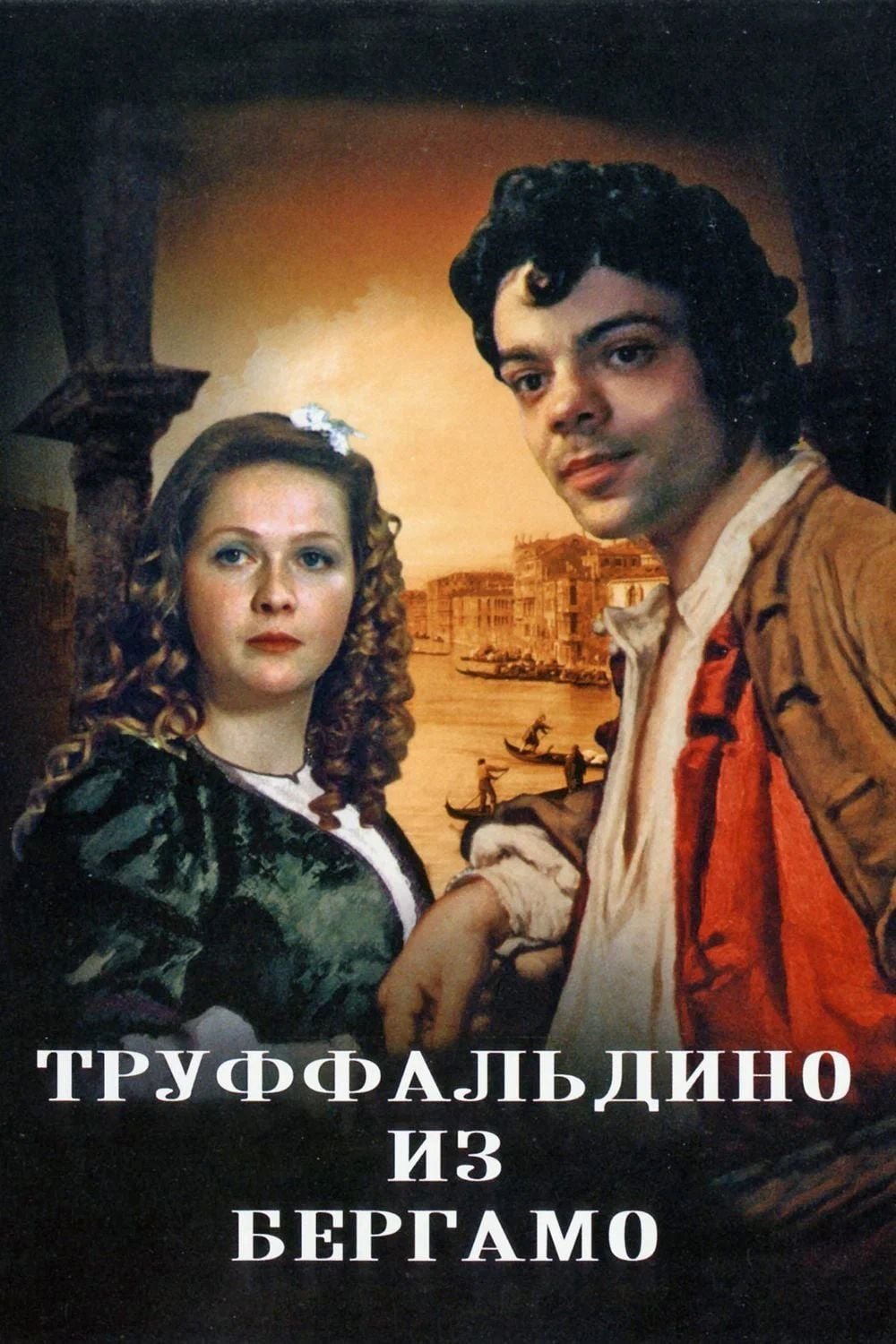
Truffaldino from Bergamo
1977 TV-film by Vladimir Vorobyov
Harlequinade
thumb|An 1890 bookcover showing the harlequinade characters
Harlequinade is an English comic theatrical genre, defined by the Oxford English Dictionary as "that part of a pantomime in which the harlequin and clown play the principal parts". It developed in England between the 17th and mid-19th centuries. It was originally a slapstick adaptation or variant of the ''commedia dell'arte'', which originated in Italy and reached its apogee there in the 16th and 17th centuries. The story of the Harlequinade revolves around a comic incident in the lives of its five main characters: Harlequin, who love
Tabarin
thumb|Tabarin, detail from the title page of Inventaire universel des oeuvres de Tabarin, 1622
thumb|Title page of Inventaire universel des oeuvres de Tabarin, 1622
Paul Legrand
French mime (1816–1898)
The Ricotta Eaters
painting by Vincenzo Campi
Mezzetin
painting by Antoine Watteau
Charles Deburau
French actor
Pierangelo Summa
(1947-2015)