Category
page 1Commercial molluscs

Octopoda
.jpg)
Teuthida
A squid () is a mollusc with an elongated soft body, large eyes, eight arms, and two tentacles in the orders Myopsida, Oegopsida, and Bathyteuthida (though many other molluscs within the broader Neocoleoidea are also called squid despite not strictly fitting these criteria). Like all other cephalopods, squid have a distinct head, bilateral symmetry, and a mantle. They are mainly soft-bodied, like octopuses, but have a small internal skeleton in the form of a rod-like gladius or pen, made of chitin.

Mytilus edulis
species of mollusc

Cardiidae
family of bivalves

common periwinkle
species of mollusc

Mytilus galloprovincialis
species of mollusc

Pectinidae
Scallop () is a common name that encompasses various species of marine bivalve molluscs in the taxonomic family Pectinidae, the scallops. However, this common name is also sometimes applied to species in other closely related families within the superfamily Pectinoidea, which also includes the thorny oysters.

Crassostrea gigas
species of bivalve mollusc

Ostrea edulis
species of mollusc

Cerastoderma edule
species of edible saltwater clam

geoduck
The Pacific geoduck ( ; Panopea generosa) is a species of very large saltwater clam in the family Hiatellidae. The common name is derived from the Lushootseed name, .

Sepiidae
Cuttlefish, or cuttles, are marine molluscs of the family Sepiidae. They belong to the class Cephalopoda which also includes squid, octopuses, and nautiluses. Cuttlefish have a unique internal shell, the cuttlebone, which is used for control of buoyancy. They have large, W-shaped pupils, eight arms, and two tentacles furnished with denticulated suckers, with which they secure their prey. They generally range in size from , with the largest species, the giant cuttlefish (Sepia apama), reaching in mantle length and more than in mass.

Mya arenaria
species of mollusc

Pinctad
Pinctada is a genus of saltwater oysters, marine bivalve mollusks in the family Pteriidae. These pearl oysters have a strong inner shell layer composed of nacre, also known as "mother of pearl".

mussel
Mussel () is the common name used for members of several families of bivalve molluscs, from saltwater and freshwater habitats. These groups have in common a shell whose outline is elongated and asymmetrical compared with other edible clams, which are often more or less rounded or oval.

Crassostrea virginica
species of oyster native to the eastern coast of North America

Perna viridis
species of Bivalvia
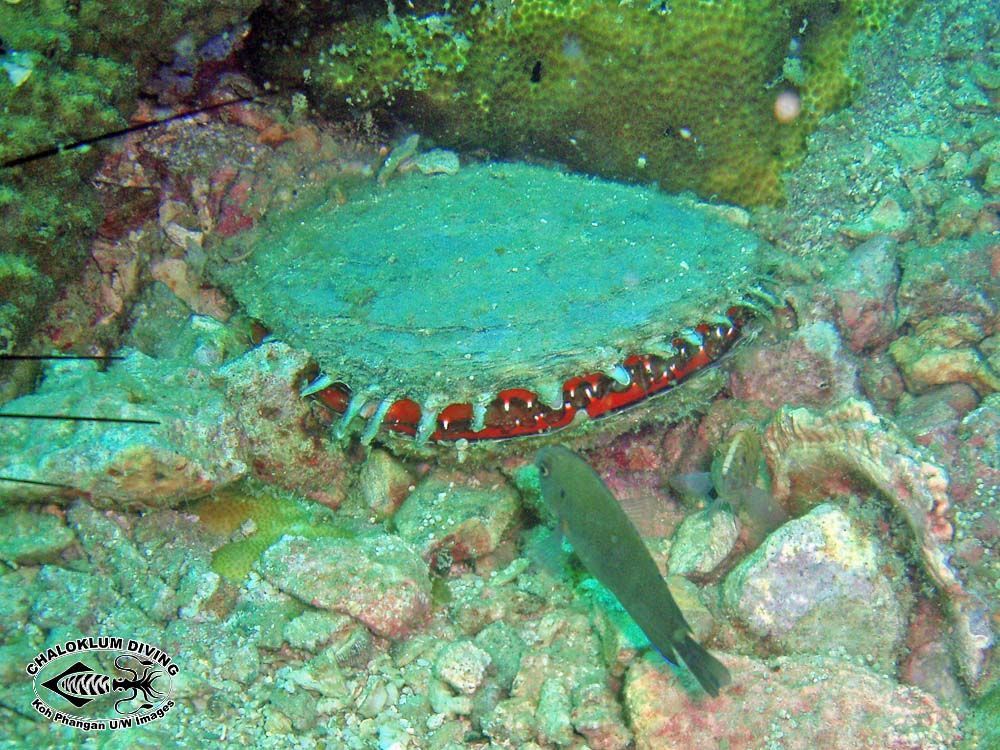
Pinctada margaritifera
species of mollusc

conch
thumb|Apertural view of an adult queen conch Aliger gigas with the foot, eyes and snout visible
thumb|A shell of a dead Florida crown conch Melongena corona inhabited by a [[hermit crab]]

Green ormer
species of mollusc

red abalone
species of mollusc

Perna canalicula
species of mollusc

Mya truncata
species of mollusc

abalone
Abalone ( or ; via Spanish , from Rumsen aulón), in singular "an abalone", are sea snails in the genus Haliotis, the only genus in the family Haliotidae. Abalone shells are distinctive for their flattened, ear-like shape, nacreous interior, and row of holes used for respiration. The flesh of abalone is widely considered to be a delicacy, and is consumed raw or cooked by a variety of cuisines. Abalone are globally distributed, with approximately 70 known species alive today. Though some species are small, the largest abalone can attain a length of .
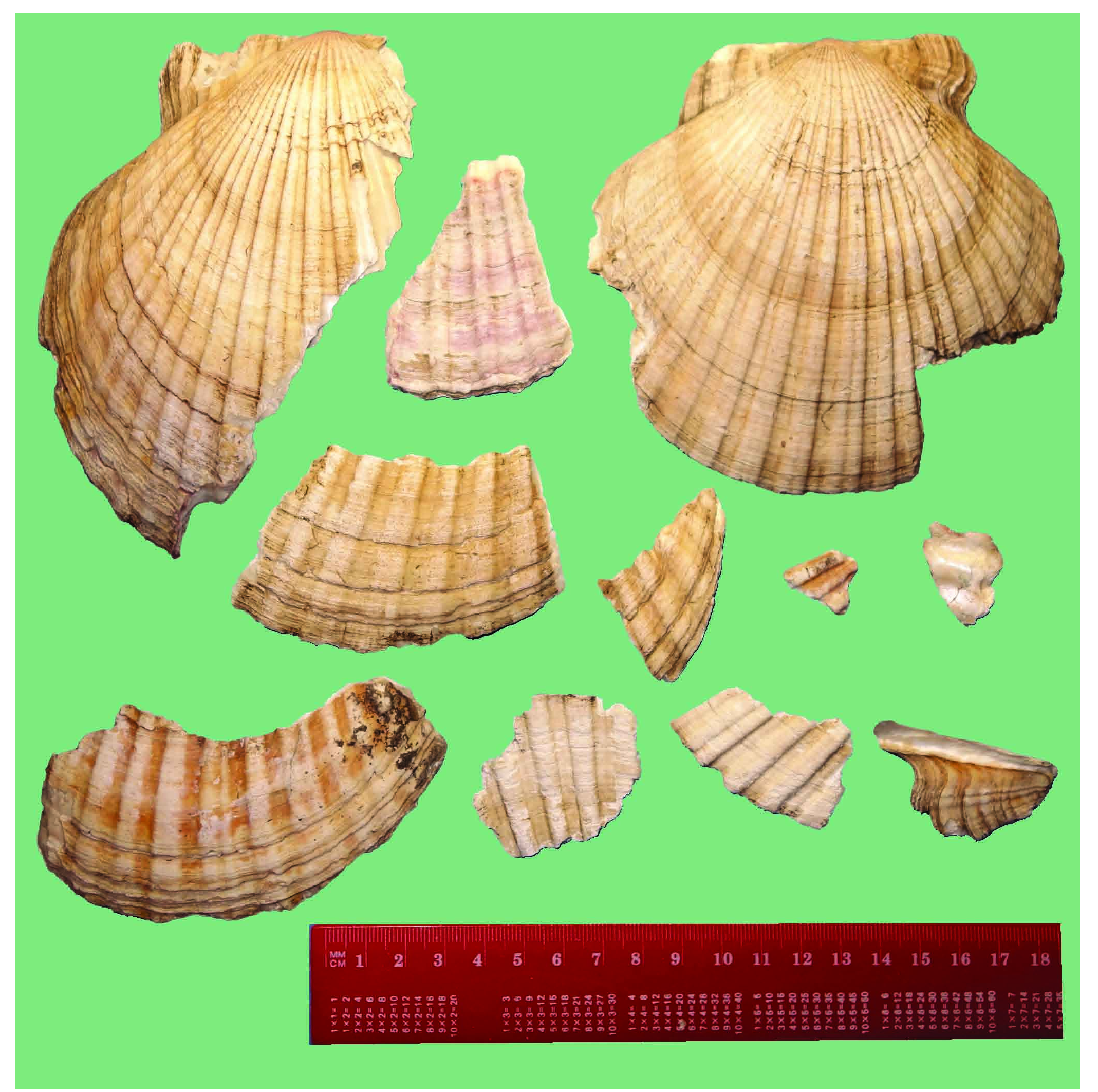
Mizuhopecten yessoensis
species of mollusc

windowpane oyster
species of mollusc

Grooved carpet shell
species of mollusc

Atlantic deep-sea scallop
Atlantic deep-sea scallop is a commercially important pectinid bivalve mollusk native to the northwest Atlantic Ocean.

Perna perna
species of mollusc
Concholepas concholepas
species of mollusc

Argopecten purpuratus
species of mollusc

Ensis minor
species of mollusc
Mytilus coruscus
species of Bivalvia
Tuatua
Paphies subtriangulata is a species of edible bivalve clam known as tuatua in the Māori language, a member of the family Mesodesmatidae and endemic to New Zealand. It is found on all three of the main New Zealand islands, buried in fine clean sand on ocean beaches.
Sepia prashadi
species of mollusc
Bullacta exarata
species of mollusc

Haliotis corrugata
species of mollusc

Haliotis discus
species of mollusc
Paphies ventricosa
species of mollusc
whelk
thumbnail|Several different species of large whelks in the family Buccinidae, the true whelks, on sale at a [[fish market in Japan]]
thumb|A whelk at Miller's Point, Western Cape|Miller's Point near [[Cape Town]]
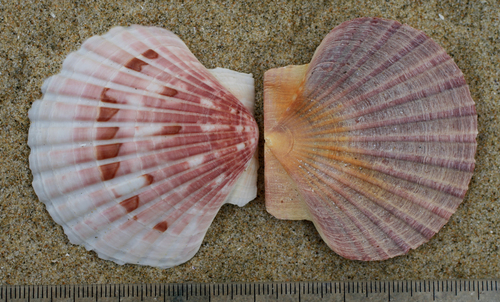
Pecten novaezelandiae
species of mollusc
Venerupis largillierti
species of Bivalvia

Saccostrea glomerata
species of mollusc
Paphies australis
species of mollusc
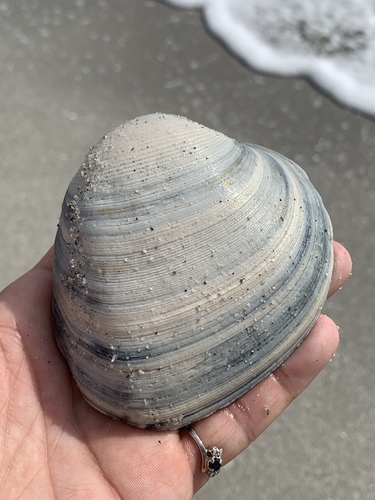
Mercenaria campechiensis
species of mollusc

Saxidomus nuttalli
species of mollusc
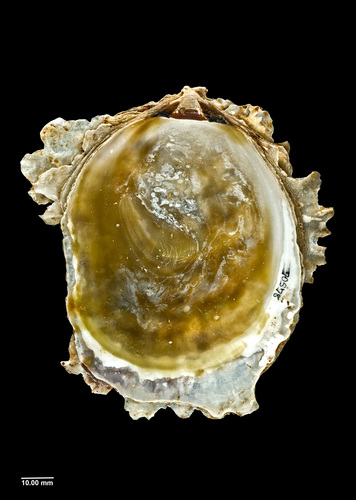
Dredge oyster
species of mollusc
Ostrea angasi
species of mollusc

Sinistrofulgur perversum
species of Gastropoda
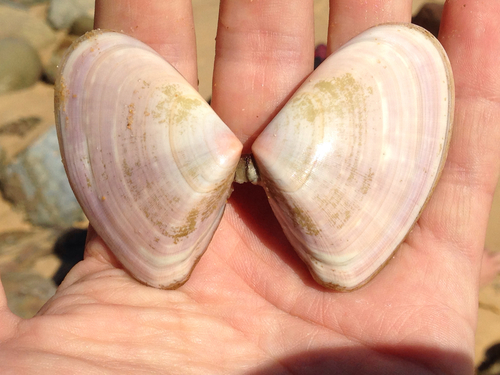
Plebidonax deltoides
species of edible mollusc endemic to Australia