Category
page 1Comparative mythology
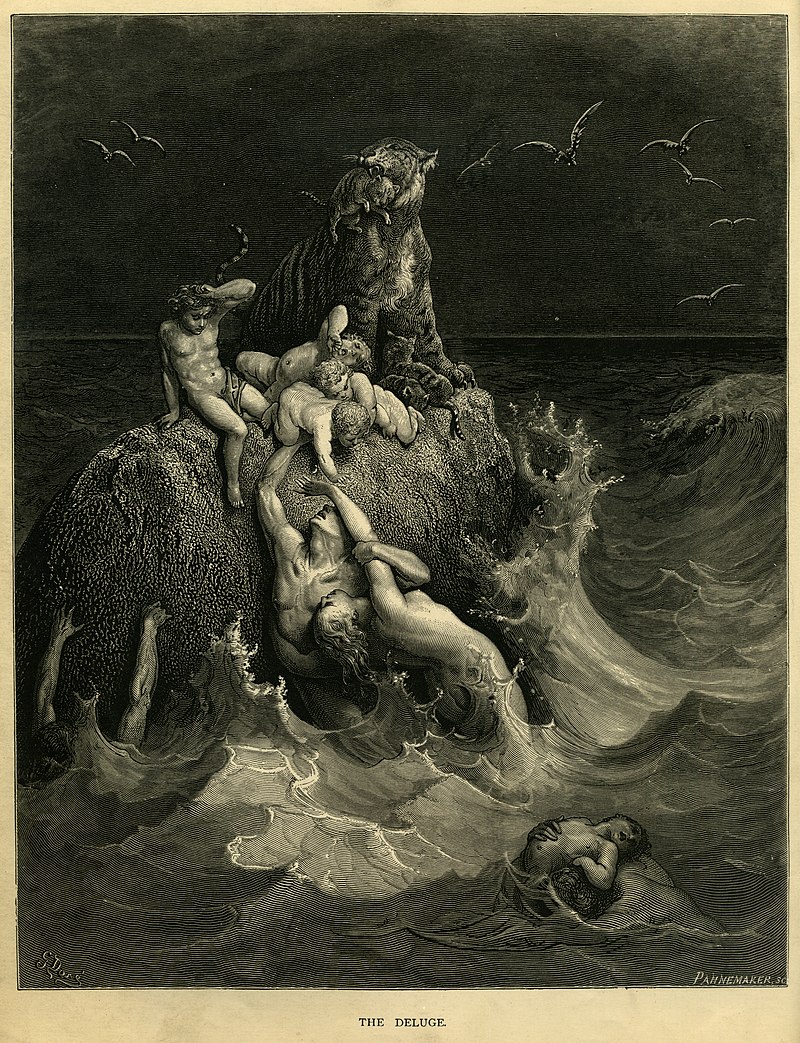
deluge myth
narrative in which a great flood destroys a civilization, commonly as divine retribution

creation myth
symbolic narrative of how the world began and how people first came to inhabit it

mother goddess
goddess who represents or is a personification of nature, motherhood, fertility, creation
%2004.jpg)
aegis
thumb|The aegis on the so-called Athena Lemnia, a Roman statue type often identified as a copy of a work by the Classical Greek sculptor [[Pheidias (Dresden Skulpturensammlung)]]

solar deity
sky deity who represents the Sun
Genesis creation narrative
creation myth of both Judaism and Christianity

The Golden Bough
1890 non-fiction work by James George Frazer
comparative mythology
comparison of myths from different cultures
Proto-Indo-European mythology
myths attributed to the Proto-Indo-Europeans
lunar deity
deity representing the Moon
Mother Nature
personification of Earth's environment
monomyth
common template of stories that involve a hero who goes on an adventure, is victorious in a decisive crisis, and comes home changed or transformed
tutelary spirit
deity or spirit who is a guardian, patron or protector of a particular place
Genesis flood narrative
biblical flood myth

otherworld
thumb|Illustration depicting otherworld in Celtic mythology by Stephen Reid in [[T. W. Rolleston's The High Deeds of Finn (1910).]]
In historical Indo-European religion, the concept of an otherworld, also known as an otherside, is reconstructed in comparative mythology. Its name is a calque of orbis alius (Latin for "other world/side"), a term used by Lucan in his description of the Celtic Otherworld.
axis mundi
world center in some religions or philosophies; connection between Heaven and Earth

The Hero with a Thousand Faces
1948 book on comparative mythology by Joseph Campbell
Alexander Veselovsky
Russian philologist (1838-1906)
Fyodor Buslaev
Russian philologist and art historian (1818–1897)
trifunctional hypothesis
hypothesis that Proto-Indo-European society had 3 castes—priests, warriors, commoners—corresponding to the 3 functions of the sacral, the martial and the economic
dying-and-rising deity
religious motif in which a deity dies and is resurrected
mythological bull
mythical creature
mytheme
In structuralism-influenced studies of mythology, a mytheme is a fundamental generic unit of narrative structure (typically involving a relationship between a character, an event, and a theme) from which myths are thought to be constructed—a minimal unit that is always found shared with other, related mythemes and reassembled in various ways ("bundled") or linked in more complicated relationships. For example, the myths of Greek Adonis and Egyptian Osiris share several elements, leading some scholars to conclude that they share a source, i.e. images passed down in cultures or from one to anoth

Panbabylonism
thumb|A map showing the generally defined area of the Fertile Crescent in red
Panbabylonism (also known as Panbabylonianism) was the school of thought that considered the cultures and religions of the Middle East and civilization in general to be ultimately derived from Babylonian myths which in turn they viewed as being based on Babylonian astronomy, often in hidden ways.
serpent
mythological symbol
Lament for urals
Arabish lament
king asleep in mountain
motif in folklore and mythology
sky father
archetype
Kesh temple hymn
oldest surviving literary text in the world

The White Goddess
book by Robert Graves
Milky Way
mythological interpretations of the origin of the Milky Way
vegetation deity
nature deity whose disappearance and reappearance, or life, death and rebirth, embodies the growth cycle of plants
miraculous birth
notion of a conception by miraculous circumstances in several religions and mythologies
sacred king
Monarch with a religious significance
horned deity
deity depicted with horns or antlers
list of thunder deities
Wikimedia list article
mythical bee
mythological and historical depictions of bees
Jesus Christ in comparative mythology
comparative mythology study of Jesus Christ
Barton Cylinder
Sumerian creation myth
doves as symbols
symbological concepts pertaining to doves since the Mezopotamian age, dove used as symbol of a god, love, peace or even war
Debate between sheep and grain
Sumerian creation myth
Paul Rebillot
American academic (1931-2010)

Debate between Winter and Summer
sumerian creation myth

apple symbolism
symbol in various mythologies and religions
The Writer's Journey: Mythic Structure for Writers
non-fiction work by Christopher Vogler
parallelomania
In historical analysis, biblical criticism and comparative mythology/religion, parallelomania has been used to refer to a phenomenon (mania) where authors perceive apparent similarities and construct parallels and analogies without historical basis.
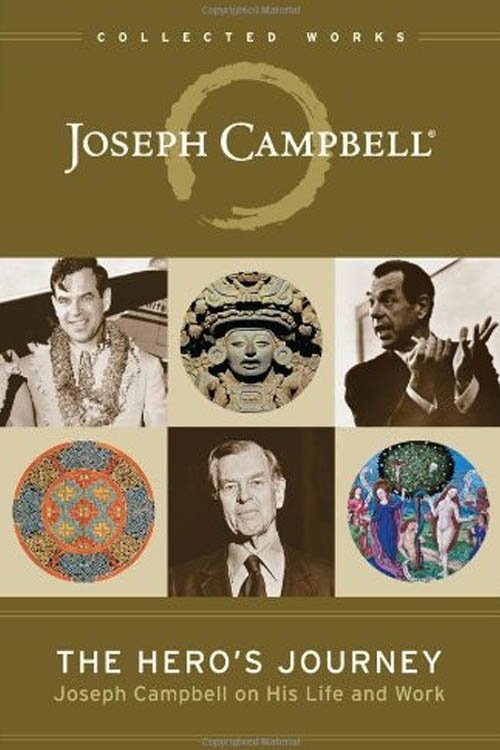
The Hero's Journey
1987 film
Finno-Ugric mythology
traditional myths of Uralic-speaking cultures

Jonathan Young
American psychologist
creation of life from clay
miraculous birth theme in multiple mythologies