Category
page 1Computational fields of study

Artificial intelligence
Artificial intelligence (AI) is the capability of computational systems to perform tasks typically associated with human intelligence, such as learning, reasoning, problem-solving, perception, and decision-making. It is a field of research in engineering, mathematics and computer science that develops and studies methods and software that enable machines to perceive their environment and use learning and intelligence to take actions that maximize their chances of achieving defined goals.

fractal
thumb|Sierpiński carpet|Sierpiński Carpet - Infinite perimeter and zero area
thumb|Highly magnified area on the boundary of the Mandelbrot set
thumb|The Mandelbrot set: its boundary is a fractal curve with [[Hausdorff dimension 2. (Note that the colored sections of the image are not actually part of the Mandelbrot Set, but rather they are based on how quickly the function that produces it diverges.)|200x200px]]
thumb|Mandelbrot set with 12 encirclements

chaos theory
field of mathematics about dynamical systems highly sensitive to initial conditions

natural language processing
field of computer science and linguistics
computational linguistics
interdisciplinary field

data science
field of study to extract insights from data
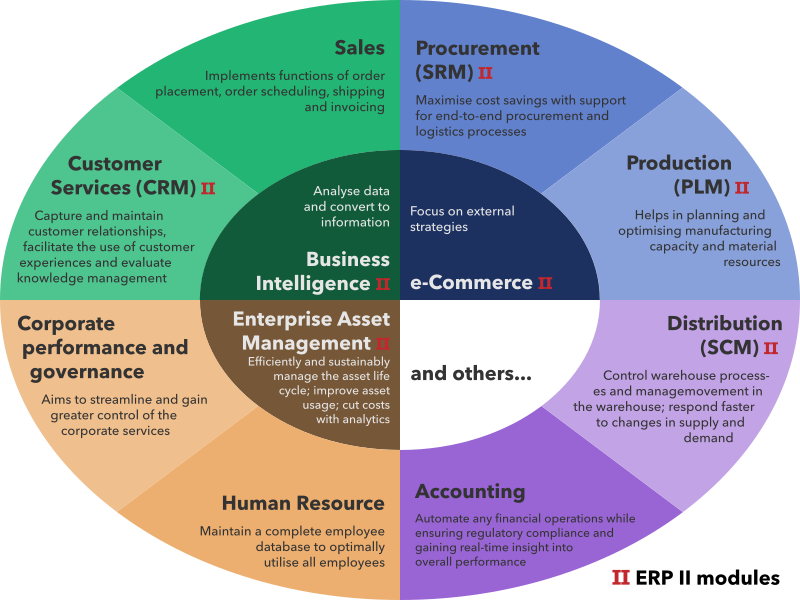
enterprise resource planning
corporate task of optimizing the existing resources in a company

computational chemistry
branch of chemistry
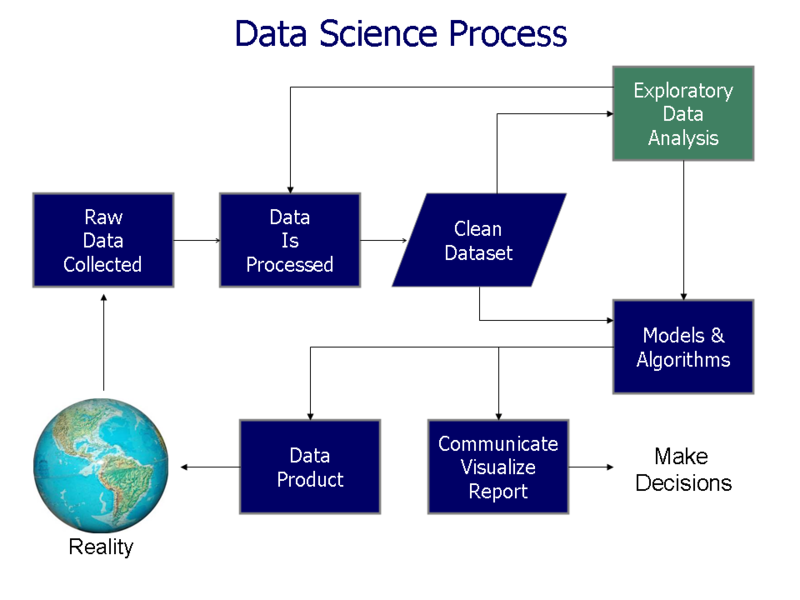
data analysis
activity for gaining insight from data

systems biology
computational and mathematical modeling of complex biological systems

computer simulation
simulation, run on a single computer, or a network of computers, to reproduce behavior of a system; modeling a real physical system in a computer
graphic designer
professional who is responsible for planning, designing, projecting, and conveying messages or ideas through visual communication
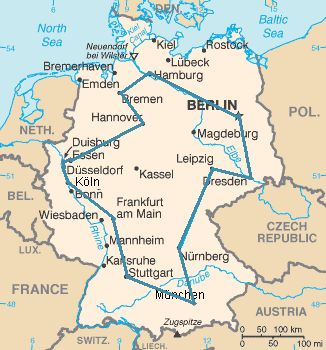
computational complexity theory
theoretical computer science and mathematics theory that classifies problems according to their inherent difficulty, and relates those classes to each other

computational physics
numerical simulations of physical problems via computers

geoinformatics
thumb|Leaflet (software)|Leaflet library is often used in geoinformatics for the development of web [[map applications]]
Geoinformatics is a scientific field primarily within the domains of Computer Science and technical geography. It focuses on the programming of applications, spatial data structures, and the analysis of objects and space-time phenomena related to the surface and underneath of Earth and other celestial bodies. The field develops software and web services to model and analyse spatial data, serving the needs of geosciences and related scientific and engineering disciplines. The
pattern recognition
branch of machine learning
cellular automaton
discrete model studied in computability theory, mathematics, physics, complexity science, theoretical biology and microstructure modeling

informatics
Informatics is the study of computational systems. According to the ACM Europe Council and Informatics Europe, informatics is synonymous with computer science and computing as a profession, in which the central notion is the transformation of information. In some cases, the term "informatics" may also be used with different meanings, e.g., in the context of social computing or library science.
computational fluid dynamics
branch of fluid mechanics that uses numerical analysis and data structures to solve and analyze problems that involve fluid flows
computational geometry
branch of computer science
cheminformatics
Cheminformatics (also known as chemoinformatics) refers to the use of physical chemistry theory with computer and information science techniques—so called "in silico" techniques—in application to a range of descriptive and prescriptive problems in the field of chemistry, including in its applications to biology and related molecular fields. Such in silico techniques are used, for example, by pharmaceutical companies and in academic settings to aid and inform the process of drug discovery, for instance in the design of well-defined combinatorial libraries of synthetic compounds, or to assist in
computational biology
data-analytical and theoretical methods, mathematical modeling and computational simulation techniques to the study of biological, behavioral, and social systems
computational science
field concerned with constructing mathematical models and quantitative analysis techniques and using computers to analyze and solve scientific problems
numerical weather prediction
uses mathematical models of the atmosphere and oceans to predict the weather based on current weather conditions
computational thinking
a set of problem-solving methods that involve expressing problems and their solutions in ways that a computer could execute
numerical linear algebra
subfield of numerical analysis and a type of linear algebra
stylometry
Stylometry is the application of the study of linguistic style, usually to written language. It has also been applied successfully to music, paintings, chess, and source code.
computational neuroscience
study of brain function in terms of the information processing properties of the structures that make up the nervous system
legal informatics
information science by discipline
computational number theory
study of algorithms for performing number theoretic computations
foundation model
artificial intelligence model paradigm
.jpg)
neuroinformatics
Neuroinformatics is the emergent field that combines informatics and neuroscience. Neuroinformatics is related with neuroscience data and information processing by artificial neural networks. There are three main directions where neuroinformatics has to be applied:
the development of computational models of the nervous system and neural processes;
the development of tools for analyzing and modeling neuroscience data; and
the development of tools and databases for management and sharing of neuroscience data at all levels of analysis.
dynamical systems theory
area of mathematics used to describe the behavior of complex dynamical systems, usually by employing differential equations or difference equations
computational economics
interdisciplinary research discipline
artificial intelligence content detection
algorithms to detect AI-generated content
computational sociology
branch of sociology that uses computational methods to study social phenomena
computational learning theory
theory of machine learning

astroinformatics
thumb|upright=1.25|Hyperion proto-supercluster unveiled by measurements and examination of archive data
computational genomics
computational creativity
multidisciplinary endeavour
computational mechanics
discipline concerned with the use of computational methods to study mechanics
computational engineering
Field of algorithmic training
computational statistics
interface between statistics and computer science
algorithmic art
art genre
computational journalism
application of computation to the activities of journalism
computational photography
digital image capture and processing techniques that use digital computation instead of optical processes
computational group theory
study of mathematical groups by means of computers
computational electromagnetics
branch of physics
financial modeling
task of building an abstract representation of a real world financial situation

computational phylogenetics
application of computational algorithms, methods, and programs to phylogenetic analyses
computational archaeology
archeoinformatics sub-discipline
computational topology
subfield of topology with an overlap with areas of computer science
biodiversity informatics
scholarly discipline
SpiNNaker
SpiNNaker (spiking neural network architecture) is a massively parallel, manycore supercomputer architecture designed by the Advanced Processor Technologies Research Group (APT) at the Department of Computer Science, University of Manchester. It is composed of 57,600 processing nodes, each with 18 ARM9 processors (specifically ARM968) and 128 MB of mobile DDR SDRAM, totalling 1,036,800 cores and over 7 TB of RAM. The computing platform is based on spiking neural networks, useful in simulating the human brain (see Human Brain Project).
computational finance
branch of applied computer science that deals with problems of practical interest in finance
Computational law
legal informatics concerned with the automation of legal reasoning
computational logic
use of logic to perform or reason about computation
statistical semantics
subfield of computational linguistics and natural language processing
environmental informatics
information science applied to environmental science
computational astrophysics
methods and computing tools developed and used in astrophysics research