Category
page 1Computer-related introductions in 1949
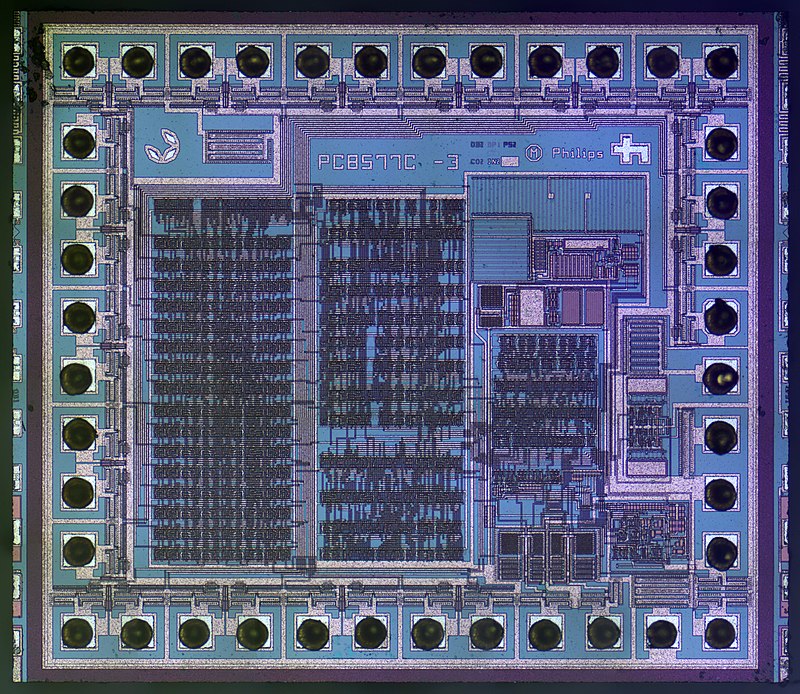
integrated circuit
electronic circuit formed on a small, flat piece of semiconductor material
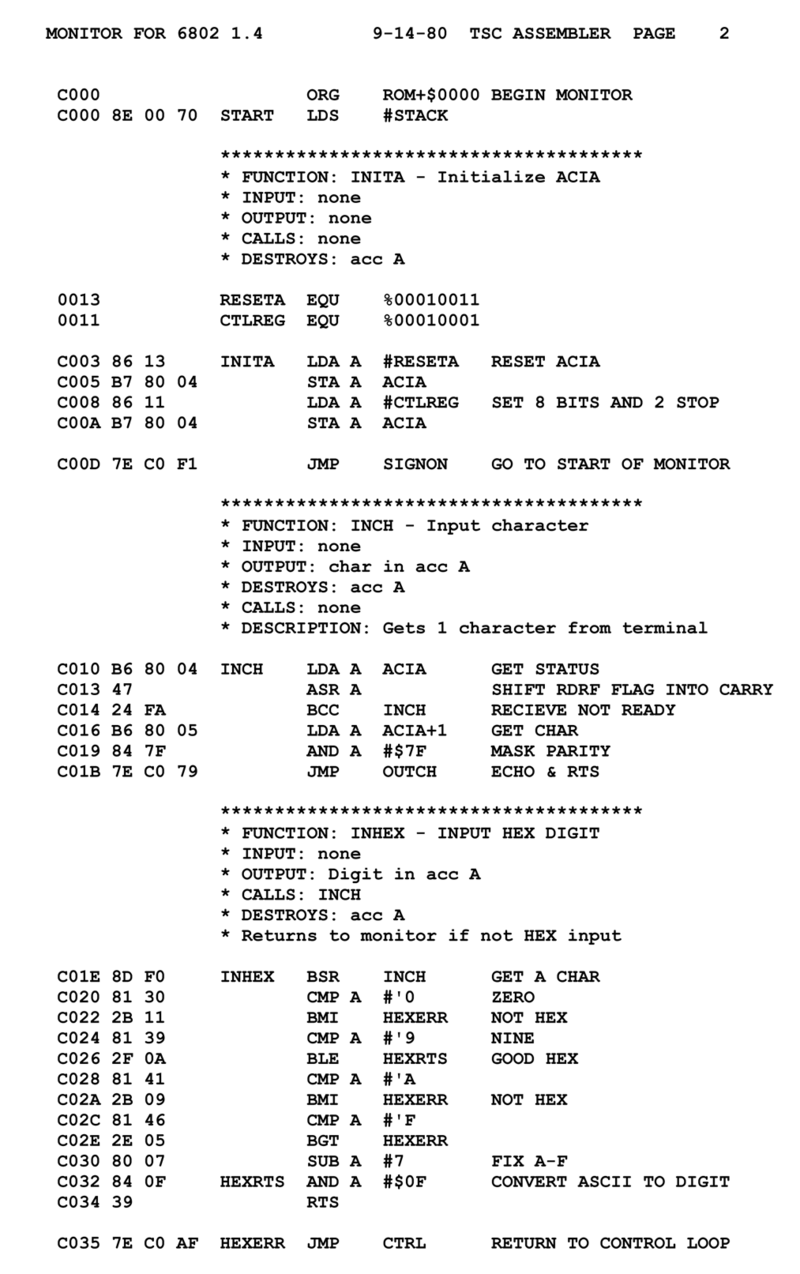
assembly language
any low-level programming language in which there is a very strong correspondence between the instructions in the language and the architecture's machine code instructions
.jpg)
Electronic Delay Storage Automatic Calculator
The Electronic Delay Storage Automatic Calculator (EDSAC) was an early British computer. Inspired by John von Neumann's seminal First Draft of a Report on the EDVAC, the machine was constructed by Maurice Wilkes and his team at the University of Cambridge Mathematical Laboratory in England to provide a service to the university. EDSAC was the second electronic digital stored-program computer, after the Manchester Mark 1, to go into regular service.
Manchester Mark 1
English stored-program computer, 1949

BINAC
BINAC (Binary Automatic Computer) is an early electronic computer that was designed for Northrop Aircraft Company by the Eckert–Mauchly Computer Corporation (EMCC) in 1949. Eckert and Mauchly had started the design of EDVAC at the University of Pennsylvania, but chose to leave and start EMCC, the first computer company in the United States. BINAC was their first product, the first stored-program computer in the United States; BINAC is also sometimes claimed to be the world's first commercial digital computer even though it was limited in scope and never fully functional after delivery.
MONIAC Computer
fluidic analogue computer simulating the UK ecomomy
CSIRAC
CSIRAC (; Commonwealth Scientific and Industrial Research Automatic Computer), originally known as CSIR Mk 1, was Australia's first digital computer, and the fifth stored-program computer in the world. It is the oldest surviving first-generation electronic computer
(the Zuse Z4 at the Deutsches Museum is older, but was electro-mechanical, not electronic). It was the first computer to play digital music.
KL-7
The TSEC/KL-7, also known as Adonis was an off-line non-reciprocal rotor encryption machine. The KL-7 had rotors to encrypt the text, most of which moved in a complex pattern, controlled by notched rings. The non-moving rotor was fourth from the left of the stack. The KL-7 also encrypted the message indicator.
invention of the integrated circuit
aspect of history relating to the invention of integrated circuits