Category
page 1Consumer theory
demand
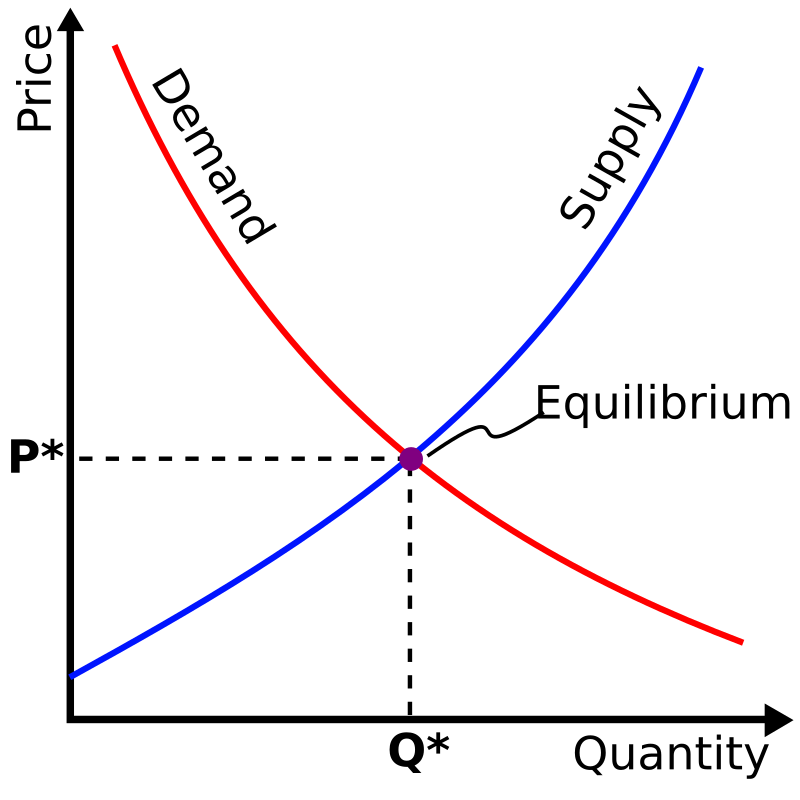
In economics, demand is the quantity of a good that consumers are willing and able to purchase at various prices during a given time. In economics "demand" for a commodity is not the same thing as "desire" for it. It refers to both the desire to purchase and the ability to pay for a commodity.

saving
thumb|403px|right|
Saving is income not spent, or deferred consumption. In economics, a broader definition is any income not used for immediate consumption. Saving also involves reducing expenditures, such as recurring costs.
Giffen good
product that people consume more of as the price rises
consumer choice
academic discipline
substitute good
economics concept of goods considered interchangeable
Veblen effect
Luxury good for which the demand increases as the price increases
consumer behavior
activities of individuals, groups, and organizations associated with the purchase, use and disposal of goods and services
Engel's law
empirical observation in economics that as income rises, less is spent on food
marginal propensity to consume
metric in economics
budget constraint
combinations of goods and services that a consumer may purchase given current prices within their given income
marginal rate of substitution
rate at which a consumer can give up some amount of one good in exchange for another good while maintaining the same level of utility
loss aversion
people's tendency to prefer avoiding losses to acquiring equivalent gains, a behavior first identified by Amos Tversky and Daniel Kahneman
Engel curve
curve describing how household income varies with household expenditure
Revealed preference
economic theory by Paul Samuelson
permanent income hypothesis
economic theory that one’s consumption at some time is determined not just by current income but also by expected income in future years (“permanent income“)
snob effect
social phenomena
Robinson Crusoe economy
economy with one consumer, one producer and two goods
income–consumption curve
function in economics
substitution effect
effect that the relative price change of a good has on the quantity of the good demanded by a consumer
consumer sovereignty
economic consumer theory
life-cycle hypothesis
model of economic consumption
Roy's identity
economics theorem

elasticity of substitution
Economic metric
Shephard's lemma
lemma
expenditure function
method for calculating price of a utility
buyer decision processes
decision-making process used by consumers before, during, and after the purchase of a good or service
budget set
all bundles a consumer can afford based on various conditions
Dutch book
set of odds and bets which guarantees a profit, regardless of the outcome of the gamble

Value and Capital
book

Foundations of Economic Analysis
non-fiction work by Paul A. Samuelson
lexicographic preferences
economics term
consumption smoothing
desire of people to stabilize consumption, in economics
Expenditure minimization problem
in microeconomics
Alchian–Allen effect
per-unit costs favor high-grade goods