Category
page 1Cosmogony
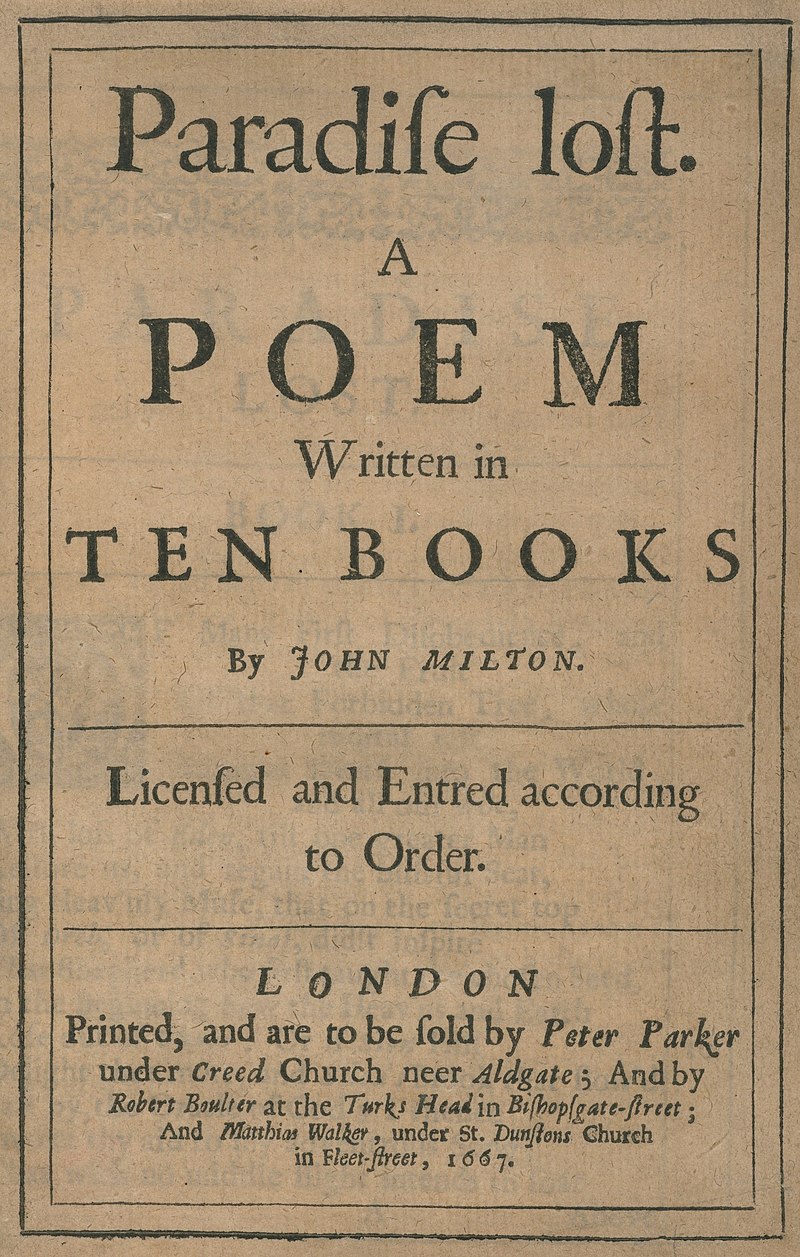
Paradise Lost
epic poem by John Milton

cosmogony
thumb|The Big Bang theory of modern cosmology postulates the universe evolved from a hot dense state.
Cosmogony, also spelled as cosmogeny, or cosmogenesis, is any model concerning the origin of the cosmos or the universe.

creation myth
symbolic narrative of how the world began and how people first came to inhabit it

formation and evolution of the Solar System
overview of formation and evolution of the Solar System

age of the universe
time elapsed since the universe came into being
steady-state model
alternative to the Big Bang model of the evolution of the universe

apeiron
thumb | right | alt=This is a mosaic from Johannisstraße, Trier dating to the early third century AD, showing the Pre-Socratic Greek philosopher Anaximander of Miletus holding a sundial. | A mosaic from Johannisstraße, Trier, dating to the early third century AD, showing the Pre-Socratic Greek philosopher Anaximander of Miletus holding a sundial.
Apeiron (; ) is a Greek word meaning '(that which is) unlimited; boundless; infinite; indefinite' from a- 'without' and peirar 'end, limit; boundary', the Ionic Greek form of peras 'end, limit, boundary'.

Pherecydes of Syros
6th-century BCE Greek mythographer and proto-philosopher
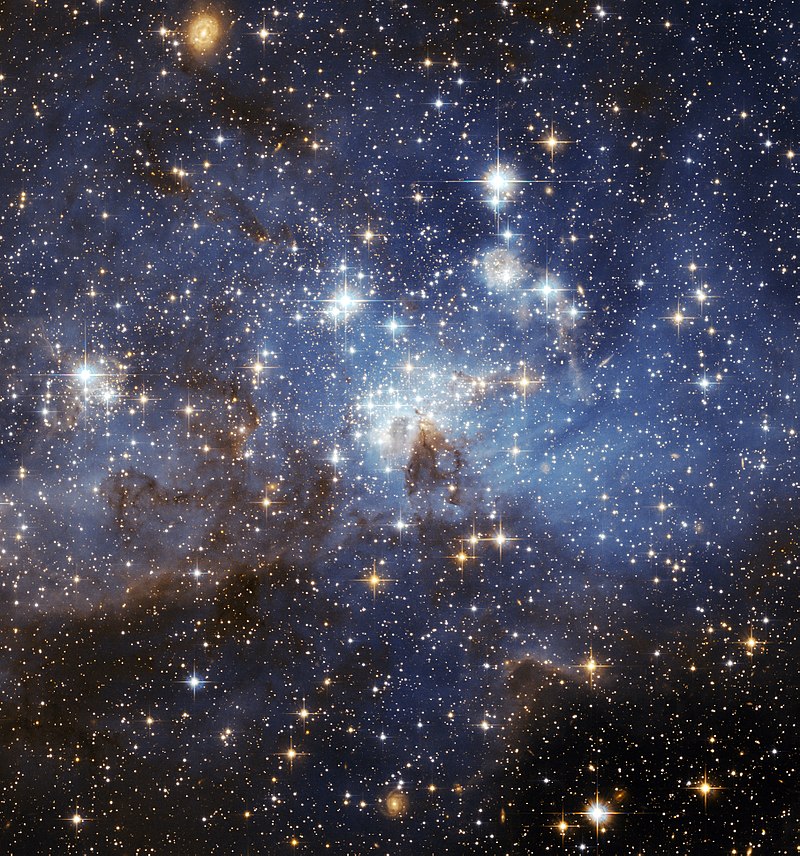
nebular hypothesis
astronomical theory that the Solar System formed from nebulous material
myth of origins
myth that purports to describe the origin of some feature of the natural or social world
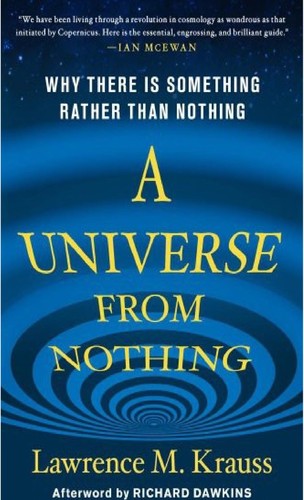
A Universe from Nothing
book by Lawrence Krauss
Why is there anything at all?
metaphysical question
Universal Natural History and Theory of Heaven
1755 essay by Immanuel Kant