Category
page 1Cosmopolitan spiders

Latrodectus
Latrodectus is a broadly distributed genus of spiders informally called the widow spiders, with several species that are commonly known as the true widows. This group is composed of those often called black widow spiders, brown widow spiders, and similar spiders.

Argiope bruennichi
species of arachnid

Pholcus phalangioides
species of arachnid

Tegenaria domestica
species of arachnid

Argiope
genus of arachnids

Tegenaria
Tegenaria is a genus of fast-running funnel weavers that occupies much of the Northern Hemisphere except for Japan and Indonesia. It was first described by Pierre André Latreille in 1804, though many of its species have been moved elsewhere. The majority of these were moved to Eratigena, including the giant house spider (Eratigena atrica) and the hobo spider (Eratigena agrestis).

Lycosa
Lycosa is a genus of wolf spiders distributed throughout most of the world, with more than two hundred described species.

Steatoda
thumb|left|alt=Steadota Bipunctata in the Wild|Steadota bipunctata

Xysticus
Xysticus is a genus of around 300 ground crab spider species described by C. L. Koch in 1835, belonging to the order Araneae, family Thomisidae.

Mediterranean recluse spider
species of arachnid

Dolomedes
Dolomedes is a genus of large spiders of the family Dolomedidae. They are also known as fishing spiders, raft spiders, dock spiders or wharf spiders. Almost all Dolomedes species are semiaquatic, with the exception of the tree-dwelling D. albineus of the southeastern United States. Many species have a striking pale stripe down each side of the body.
Anapidae
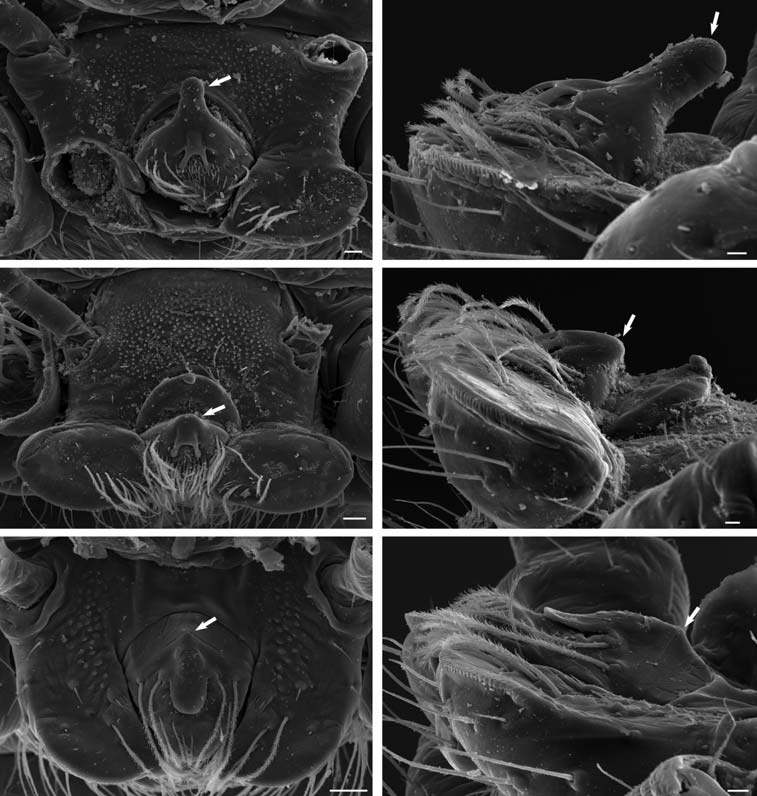
Anapidae is a family of rather small spiders with 233 described extant species in 59 genera. It includes the former family Micropholcommatidae as the subfamily Micropholcommatinae, and the former family Holarchaeidae. Most species are less than long.

Scytodes thoracica
species of arachnid

Agelena
Agelena is a genus of agelenid spiders first described by Charles Athanase Walckenaer in 1805. Sometimes referred to as Eurasian grass spiders, they trap their prey by weaving entangling non-sticky funnel webs. They are limited to the Old World, occurring from Africa to Japan. Many species have been moved to other genera, particularly to Allagelena, Benoitia and Mistaria.

Steatoda grossa
species of arachnid

Heteropoda
thumb|The eye arrangement of spiders in the genus Heteropoda

Latrodectus geometricus
species of arachnid
Tetragnatha
Tetragnatha is a genus of long-jawed orb-weavers found all over the world. It was first described by Pierre André Latreille in 1804, and contains hundreds of species. Most occur in the tropics and subtropics, and many can run over water. They are commonly called stretch spiders in reference to their elongated body form and their ability to hide on blades of grass or similar elongated substrates by stretching their front legs forward and the others behind them.

Cheiracanthium
Cheiracanthium, commonly called yellow sac spiders, is a genus of araneomorph spiders in the family Cheiracanthiidae, and was first described by Carl Ludwig Koch in 1839.
Myrmarachne
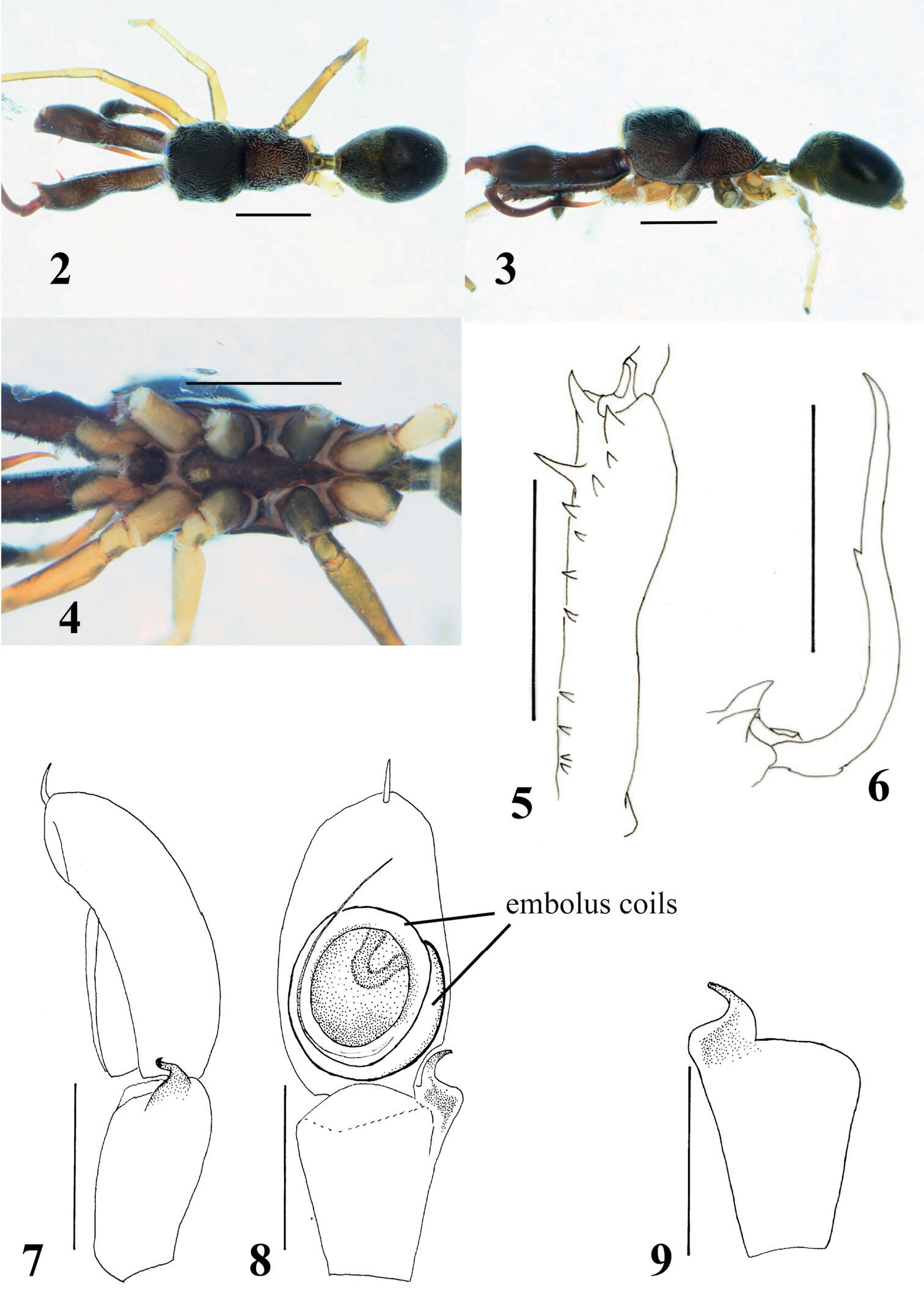
Myrmarachne is a genus of ant-mimicking jumping spiders that was first described by W. S. MacLeay in 1839. They are commonly called ant-mimicking spiders, but they are not the only spiders that have this attribute. The name is a combination of Ancient Greek (myrmex), meaning "ant", and (arachne), meaning "spider".

Dysdera crocata
species of spider

Diaea
Diaea is a genus of crab spiders first described by Tamerlan Thorell in 1869. Most species are found in specific locations except for D. livens, which occurs in the United States and D. dorsata, which has a palearctic distribution. Adults are to and tend to hide in and around vegetation, especially flowers, where their color allows them to blend in to their surroundings.

Pholcus
Pholcus is a large genus of spiders of long-bodied cellar spider and allies in the family Pholcidae.

Pardosa
Pardosa is a large genus of wolf spiders, commonly known as the thin-legged wolf spiders. It was first described by C. L. Koch, in 1847, with more than 500 described species that are found in most regions of the world.

Argiope trifasciata
species of arachnid

Hasarius adansoni
species of arachnid
%202.jpg)
Arctosa
Arctosa is a genus of wolf spiders first described by Carl Ludwig Koch in 1847, with more than 150 described species.

Spiny orb-weaver
Gasteracantha is a genus of orb-weaver spiders first named by Carl Jakob Sundevall in 1833. Species of the genus are known as spiny-backed orb-weavers, spiny orb-weavers, or spiny spiders. The females of most species are brightly colored with six prominent spines on their broad, hardened, shell-like abdomens.
Alopecosa
Alopecosa is a spider genus in the family Lycosidae (wolf spiders), with about 160 species. They have a largely Eurasian distribution, although some species are found in North Africa and North America.

Salticus
Salticus (from Latin “saltus” – leap or jump) is a genus of the family Salticidae (the jumping spiders). Salticus is the type genus for the family Salticidae.

Clubiona
Clubiona is a genus of sac spiders that was first described by Pierre André Latreille in 1804.

Neoscona
Neoscona, known as spotted orb-weavers and barn spiders, is a genus of orb-weaver spiders (Araneidae) with more than 100 described species. It was erected by Eugène Simon in 1895 to separate these from other araneids in the now obsolete genus Epeira.
Evarcha
Evarcha is a genus of spiders in the family Salticidae (jumping spiders) with 85 species (and one recognized subspecies) distributed across the world.

Cyclosa
Cyclosa, also called trashline orbweavers, is a genus of orb-weaver spiders first described by Anton Menge in 1866. Widely distributed worldwide, spiders of the genus Cyclosa build relatively small orb webs with a web decoration. The web decoration in Cyclosa spiders is often linear and includes prey remains and other debris, which probably serve to camouflage the spider. However, some tropical species, including C. longicauda in Peru, construct highly complex, non-linear stabilimenta that resemble the silhouette of a much larger orb-weaving spider. This specific decoy strategy is hypothesized

Ero
genus of arachnids
Drassodes
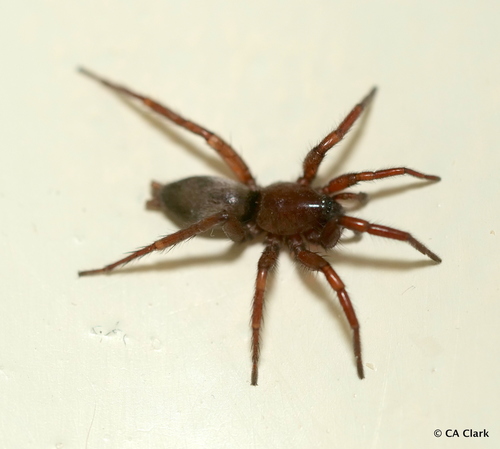
Drassodes is a genus of ground spiders that was first described by Niklas Westring in 1851. They are brown, gray, and red spiders that live under rocks or bark in mostly dry habitats, and are generally long, but can reach up to in length.

Thomisus
Thomisus is a genus of crab spiders (family Thomisidae) with around 140 described species. The genus includes species that vary widely in their ecology, with some that are ambush predators that feed on insects visiting flowers. Like several other genera in the family Thomisidae, they are sometimes referred to as flower crab spiders, from their crab-like motion and their way of holding their front legs, reminiscent of a crab spreading its claws as a threat.
Argyrodes
Argyrodes, also called dewdrop spiders, is a genus of comb-footed spiders that was first described by Eugène Louis Simon in 1864. They occur worldwide, and are best known for their kleptoparasitism. They can spin their own webs, but tend to invade and reside in their hosts' webs. This relationship can be commensal or even mutual if the dewdrop spider feeds on small trapped insects that are not eaten by the host. Some species can even prey upon the host.

Meta
genus of arachnids
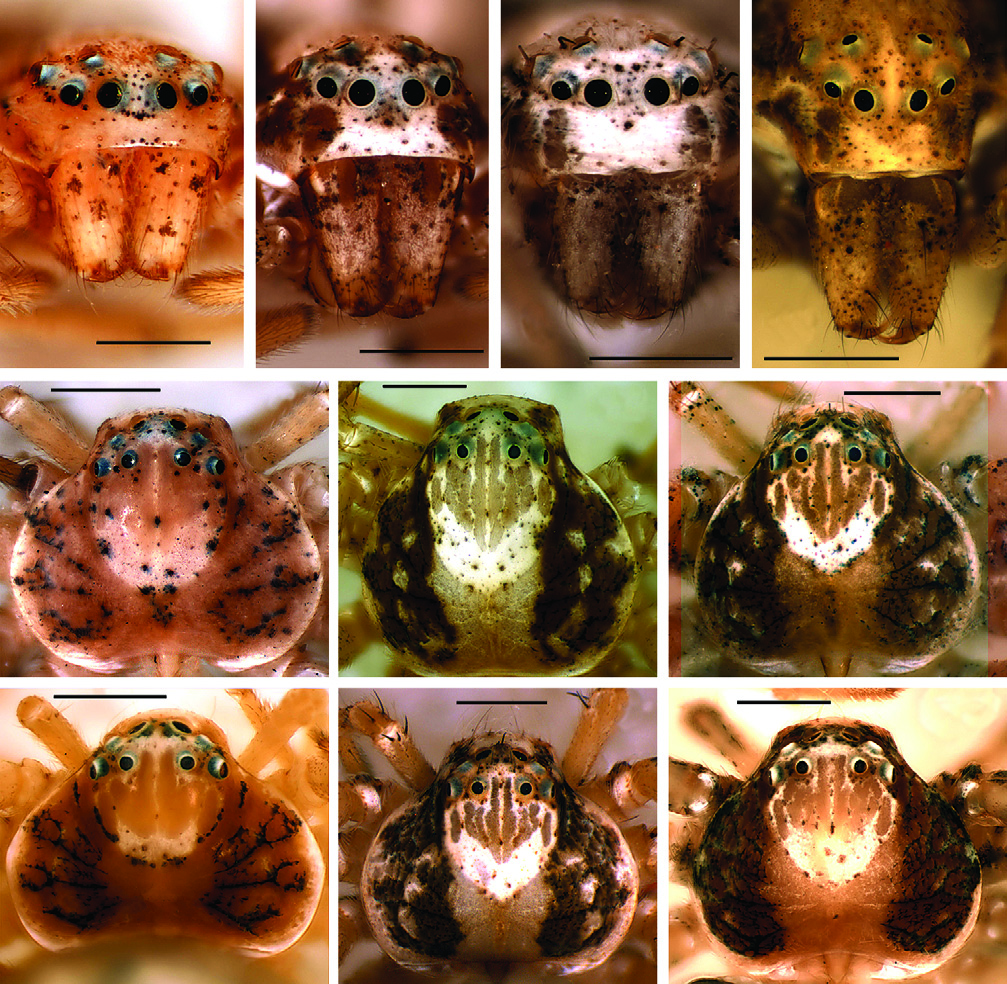
Philodromus
Philodromus is a genus of philodromid crab spiders. Spiders in this genus are distinctively flattened.
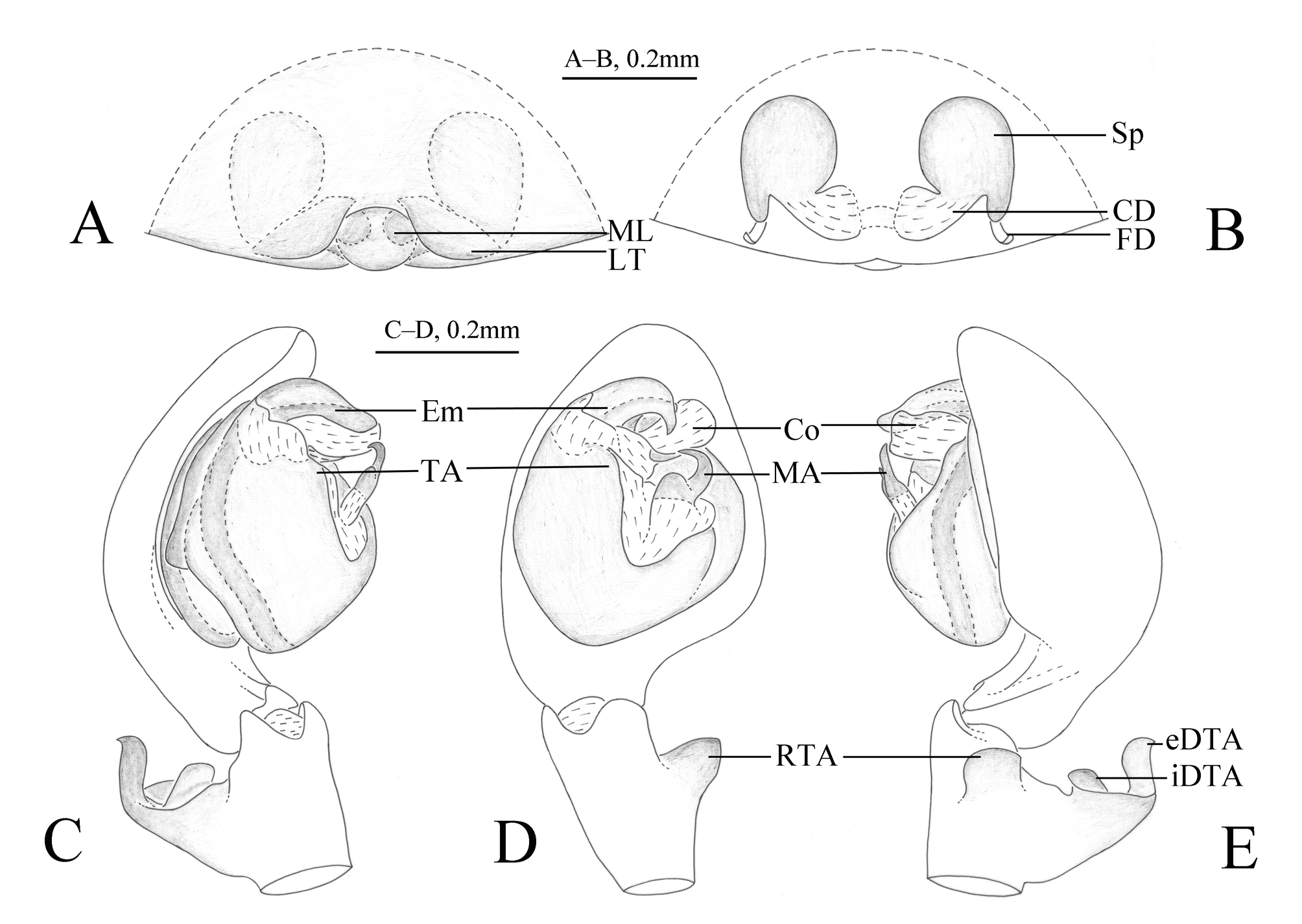
Amaurobius
Amaurobius is a genus of tangled nest spiders that was first described by Carl Ludwig Koch in 1837.
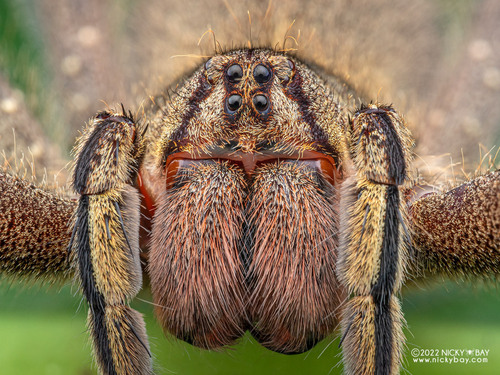
Ctenus
Ctenus is a genus of wandering spiders first described by Charles Athanase Walckenaer in 1805. It is widely distributed, from South America through Africa to East Asia.
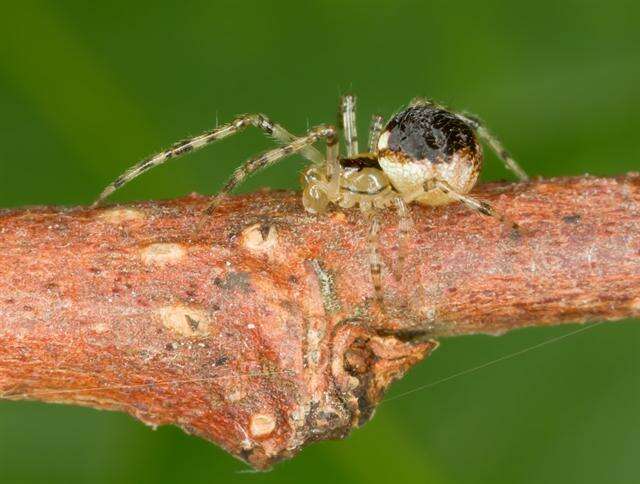
Theridion
Theridion is a genus of tangle-web spiders with a worldwide distribution. Notable species are the Hawaiian happy face spider (T. grallator), named for the iconic symbol on its abdomen, and T. nigroannulatum, one of few spider species that lives in social groups, attacking prey en masse to overwhelm them as a team.

Hogna
Hogna is a genus of wolf spiders with more than 200 described species. It is found on all continents except Antarctica.
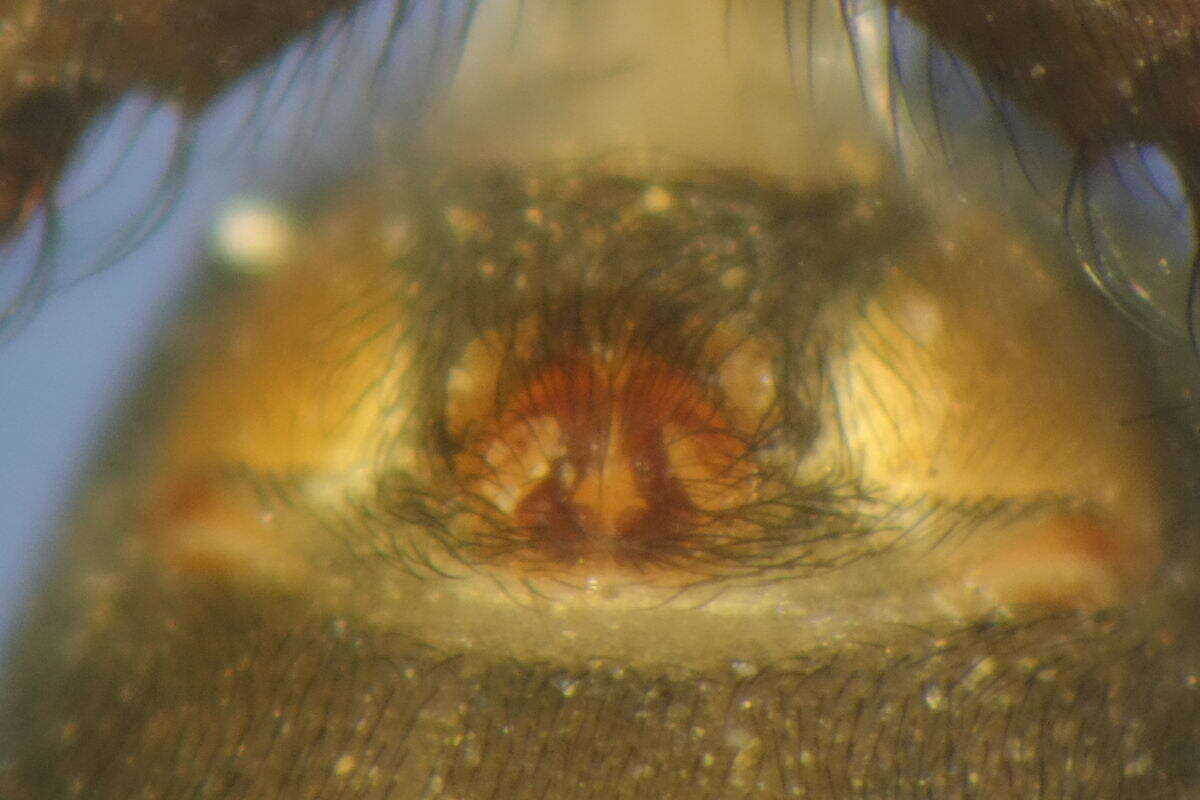
Callilepis
genus of arachnids

Micaria
Micaria is a genus of ground spiders that was first described by Niklas Westring in 1851. They are long.
.jpg)
Scytodes
thumb|right|S. longipes drawn by F. O. Pickard-Cambridge

Oxyopes
Oxyopes is a genus of lynx spiders found worldwide. It includes arounds 300 species and is classified under the lynx spider family Oxyopidae.

Erigone
genus of arachnids

Uloborus
Uloborus is a spider genus in the family Uloboridae with 79 described species.
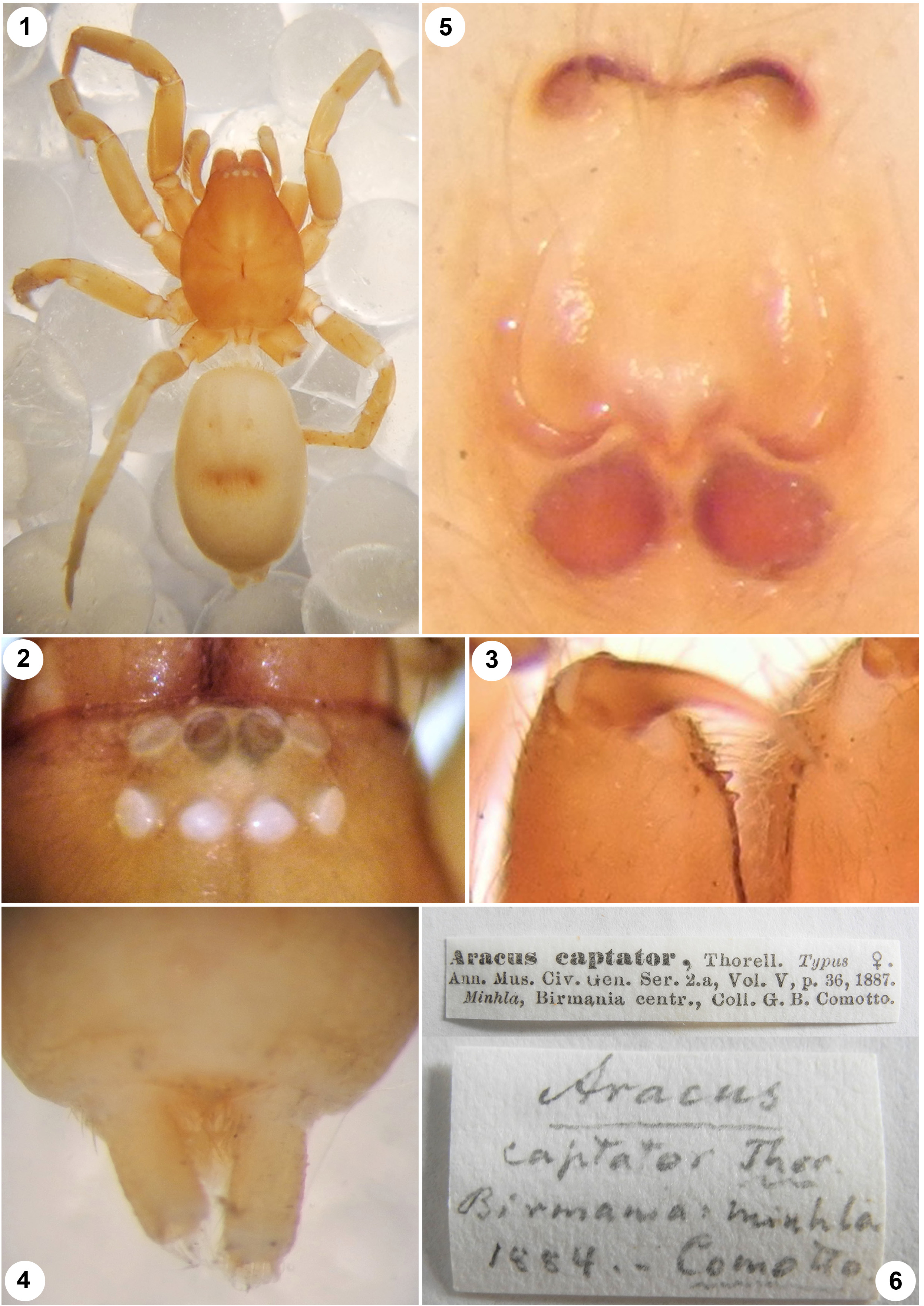
Zelotes
Zelotes is a genus of ground spiders that was first described by J. Gistel in 1848.

Euophrys
Euophrys is a genus of jumping spiders that was first described by Carl Ludwig Koch in 1834. The small black E. omnisuperstes lives on Mount Everest at elevations up to 6,700 meters, possibly making it the most elevated animal in the world. It lives on insects that have been blown upwards.

Thanatus
Thanatus is a genus of false crab spiders described by Carl Ludwig Koch in 1837, belonging to the order Araneae, family Philodromidae.

Larinia
Larinia is a genus of orb-weaver spiders first described by Eugène Simon in 1874.

Flower crab spider
Misumena is a genus of crab spiders sometimes referred to as flower crab spiders. They are similar in appearance to several other genera in the family Thomisidae, such as Misumenoides and Mecaphesa.
Dendryphantes
Dendryphantes is a genus of jumping spiders that was first described by Carl Ludwig Koch in 1837.

Gnaphosa
Gnaphosa is a genus of ground spiders that was first described by Pierre André Latreille in 1804. They all have a serrated keel on the retromargin of each chelicera.
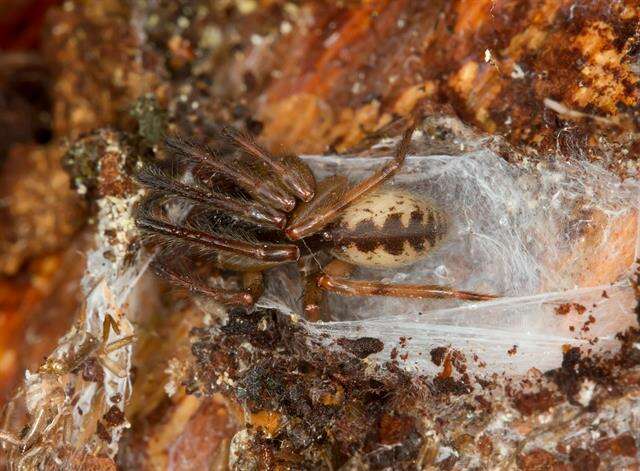
Segestria
genus of arachnids
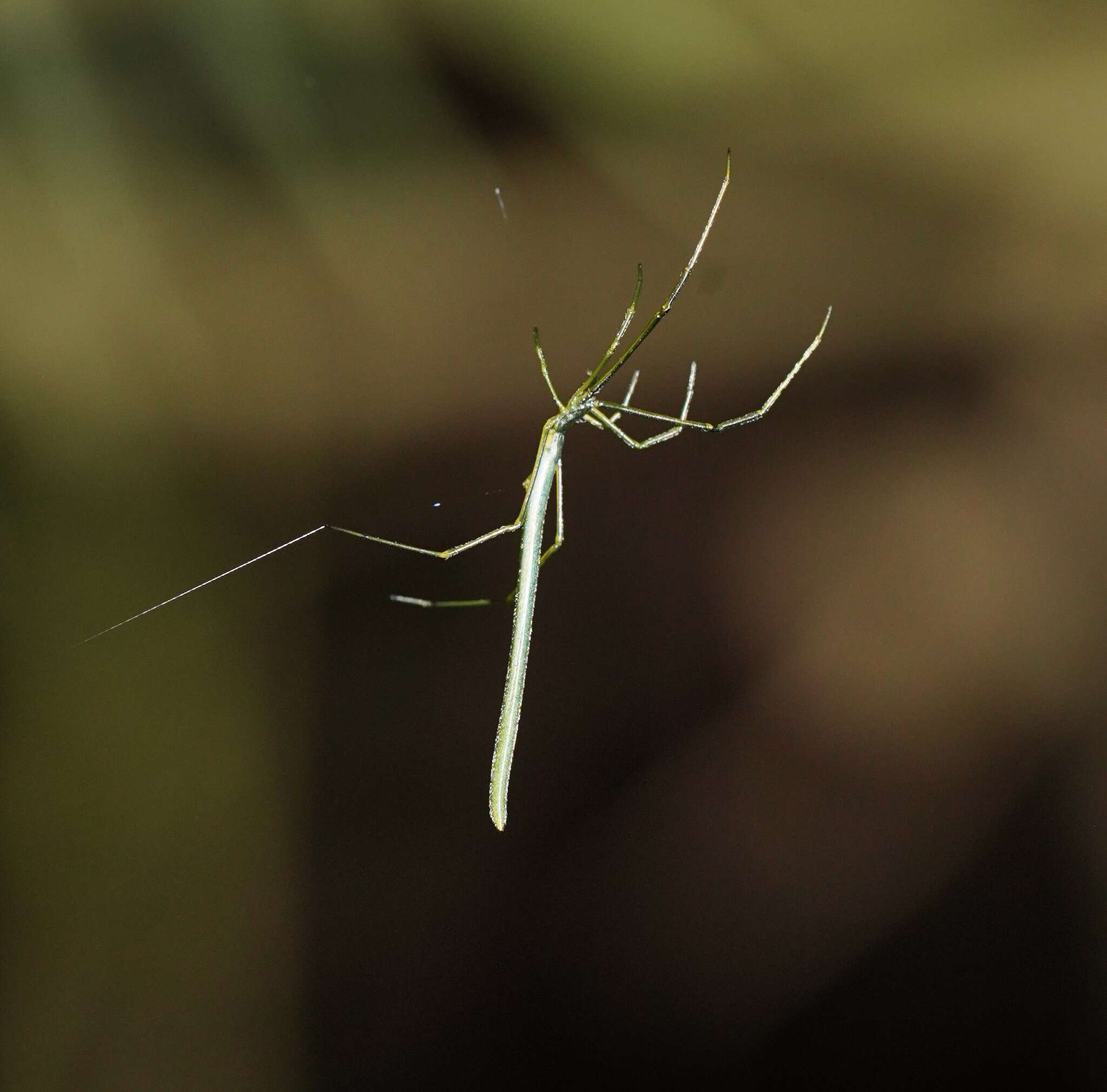
Ariamnes
genus of arachnids

Trochosa
Trochosa is a large wolf spider genus found worldwide.