Category
page 1Crassulaceae

Crassulaceae
The Crassulaceae (, from Latin crassus, thick), also known as the crassulas, the stonecrops or the orpine family, are a diverse family of flowering plants primarily characterized by succulent leaves and a form of photosynthesis known as crassulacean acid metabolism (CAM), in which plants photosynthesize in the daytime and exchange gases during the cooler temperatures of the night. The blossoms of crassulas generally have five floral parts. Crassulaceae are usually herbaceous, though there are some subshrubs, and relatively few trees or aquatic plants.

Kalanchoe blossfeldiana
herbaceous

Sedum album
species of plant

Rhodiola
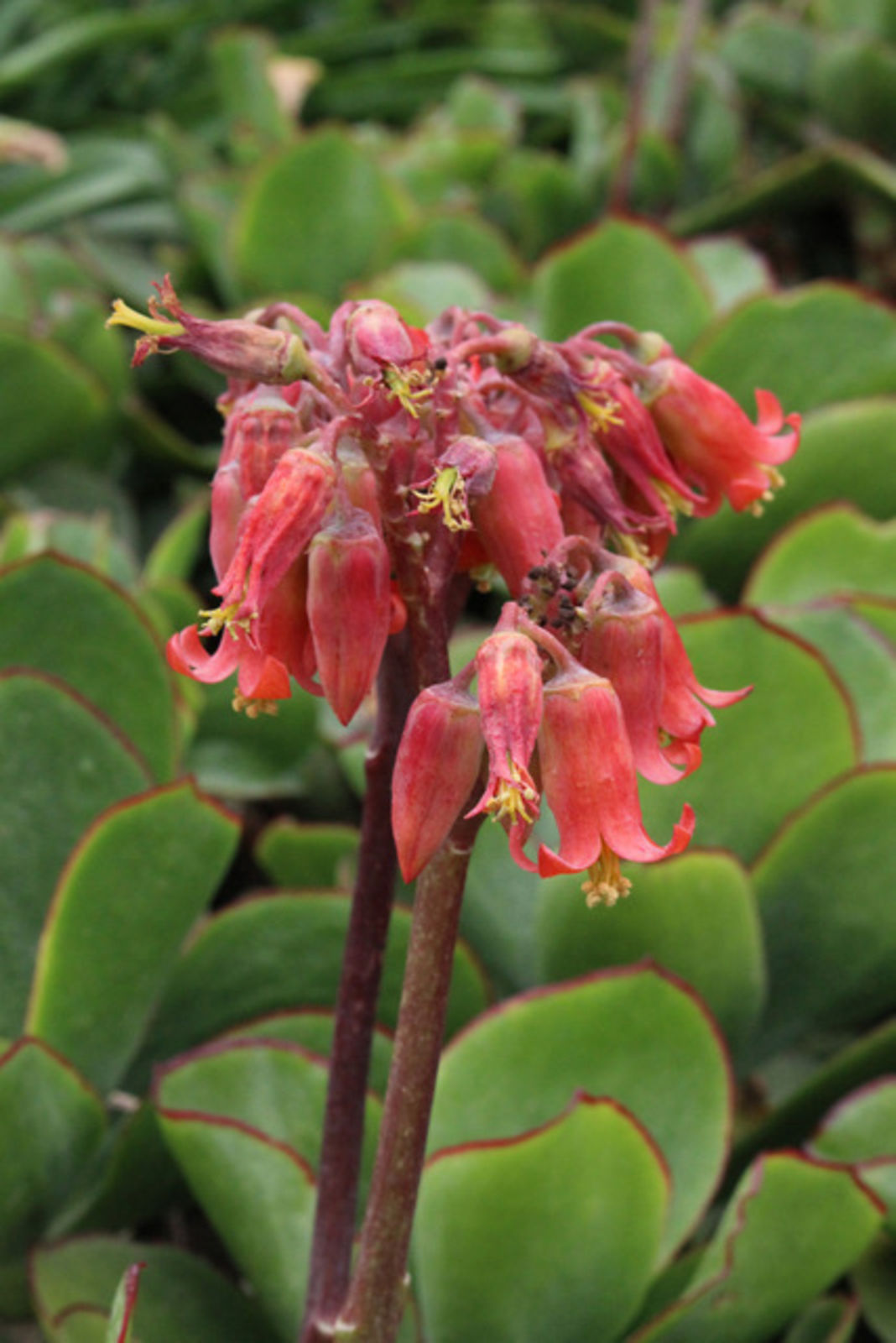
Cotyledon
genus of plants

Hylotelephium
Hylotelephium is a genus of flowering plants in the stonecrop family Crassulaceae. It includes about 33 species distributed in Asia, Europe, and North America.

Orostachys
thumb|upright|Orostachys spinosa

Pachyphytum
Pachyphytum is a small genus of succulents in the stonecrop family, Crassulaceae, native to Mexico, where species can be found growing at elevations from above sea level. The generic name comes from the ancient Greek pachys ('thick') and phyton ('plant'), a reference of the succulent nature of the leaves.

Rosularia
thumbnail|Rosularia sempervivoides

Sempervivum globiferum
species of plant

Jovibarba
Jovibarba ("beard of Jupiter") is a small genus of three species of succulent flowering plants in the family Crassulaceae, endemic to mountainous regions in the southeastern quadrant of Europe. The genus is sometimes classified as a subgenus of Sempervivum, to which it is closely related. Jovibarba have pale-greenish-yellow or yellow actinomorphic flowers with about six petals, while Sempervivum have generally pinkish flowers with around twice as many petals, which open more widely than jovibarba flowers. The common name hen and chicks is applied to some Jovibarba species (and also species in

Cotyledon tomentosa
species of plant
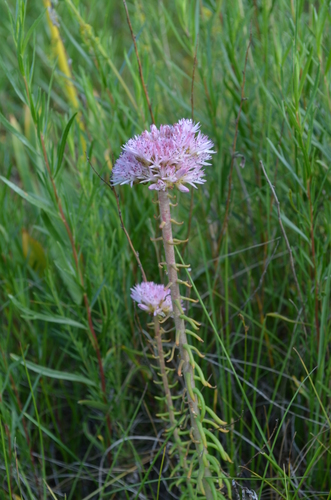
Pseudosedum
Pseudosedum is a genus of flowering plants in the family Crassulaceae native to Central Asia and Siberia.
==Species==
Species in the genus include:
Pseudosedum acutisepalum C.-A.Jansson
Pseudosedum affine (Schrenk) A.Berger
Pseudosedum bucharicum Boriss.
Pseudosedum campanuliflorum Boriss.
Pseudosedum condensatum Boriss.
Pseudosedum fedtschenkoanum Boriss.
Pseudosedum ferganense Boriss.
Pseudosedum kamelinii Palanov
Pseudosedum karatavicum Boriss.
Pseudosedum koelzii C.-A.Jansson
Pseudosedum kuramense Boriss.
Pseudosedum lievenii (Ledeb.) A.Berger
Pseudosedum longidentatum Boriss.
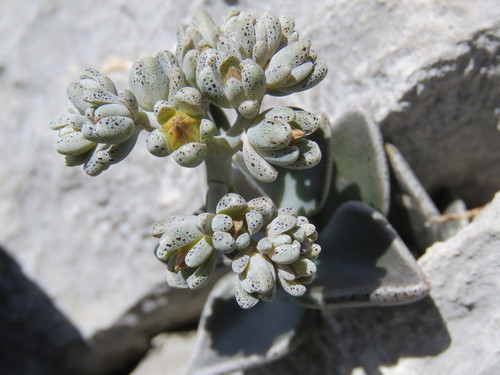
Lenophyllum
Lenophyllum is a genus of flowering plants in the family Crassulaceae. The roughly seven species it contains are distributed in Texas in the United States and northeastern Mexico. Some authorities place it in the genus Sedum. Plants in this genus are distinguished from Sedum species by the presence of terminal inflorescences, erect petals, and opposite leaves. The name is derived from the Ancient Greek words ληνός (lenos), meaning "trough", and φύλλον (phyllon), meaning "leaf."
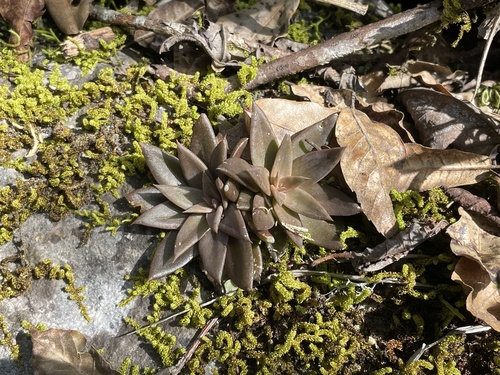
Sinocrassula
Sinocrassula is a genus of succulent, subtropical plants of the family Crassulaceae.

Cotyledon orbiculata
species of plant
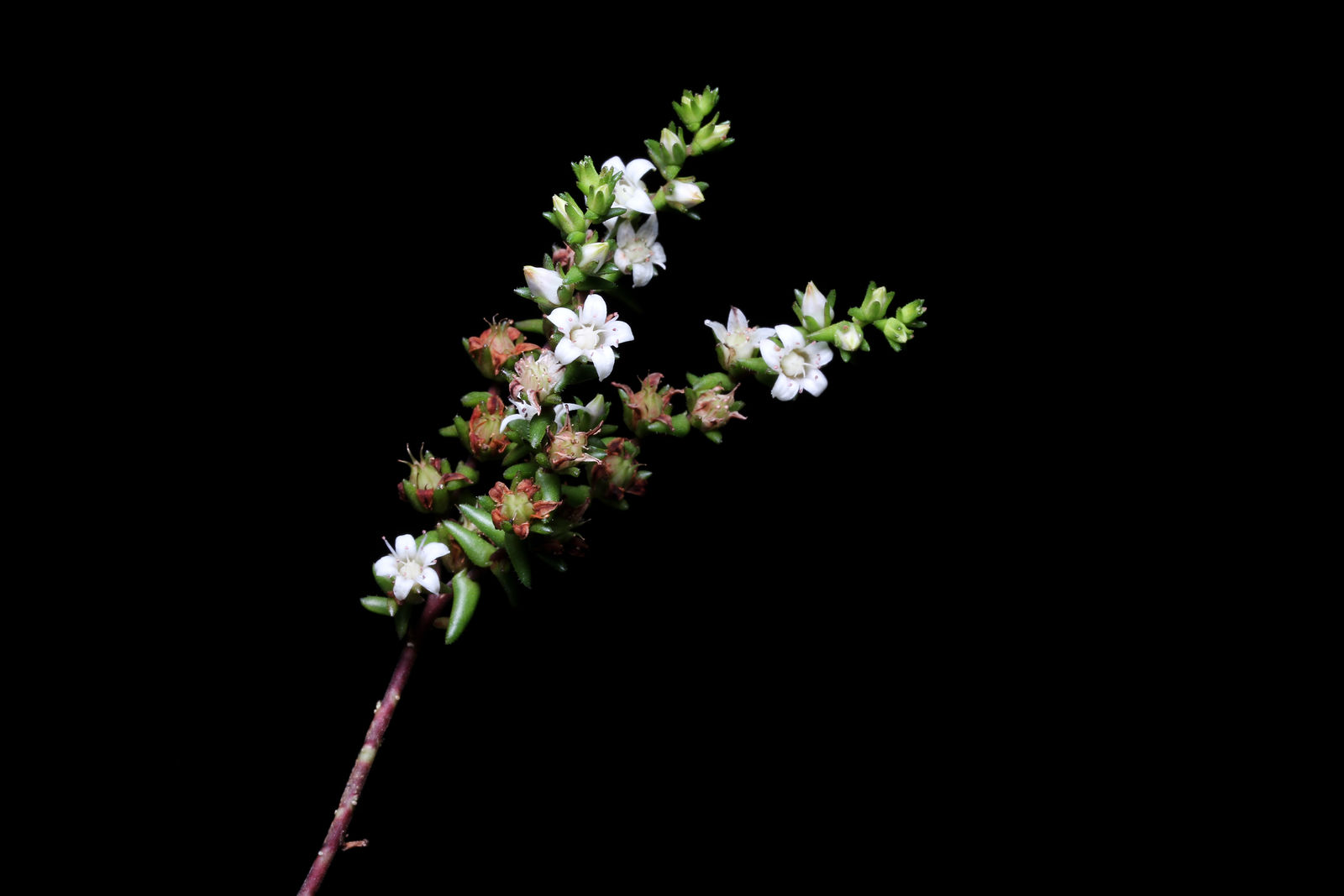
Villadia
Villadia is a genus of plants in the family Crassulaceae. It includes about 25 to 30 species distributed from Texas to Peru.

Sedum caespitosum
species of plant
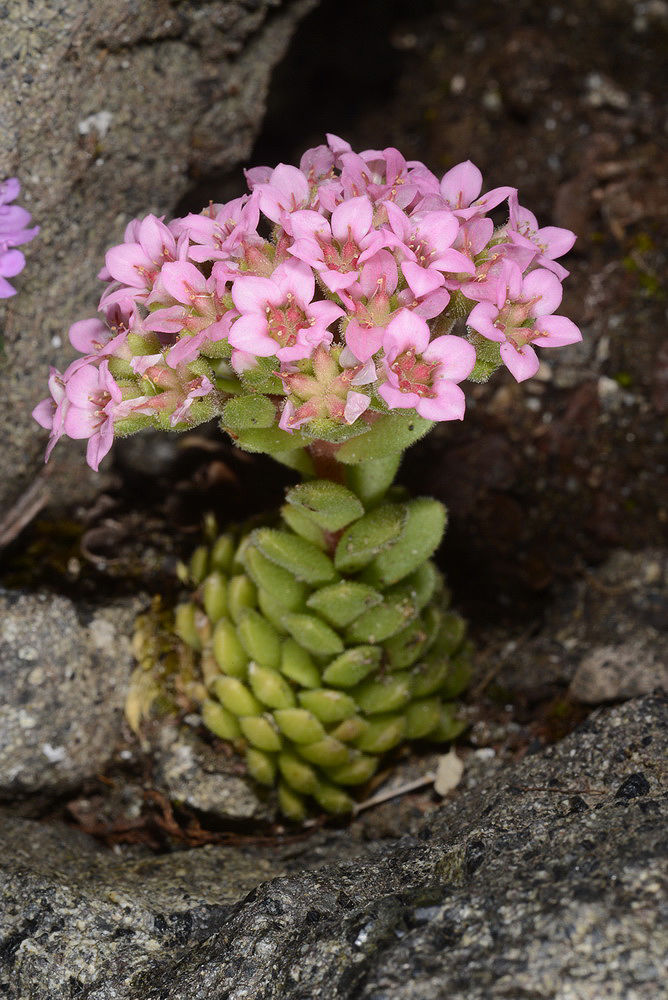
Prometheum
Prometheum is a genus of plants in the family Crassulaceae.
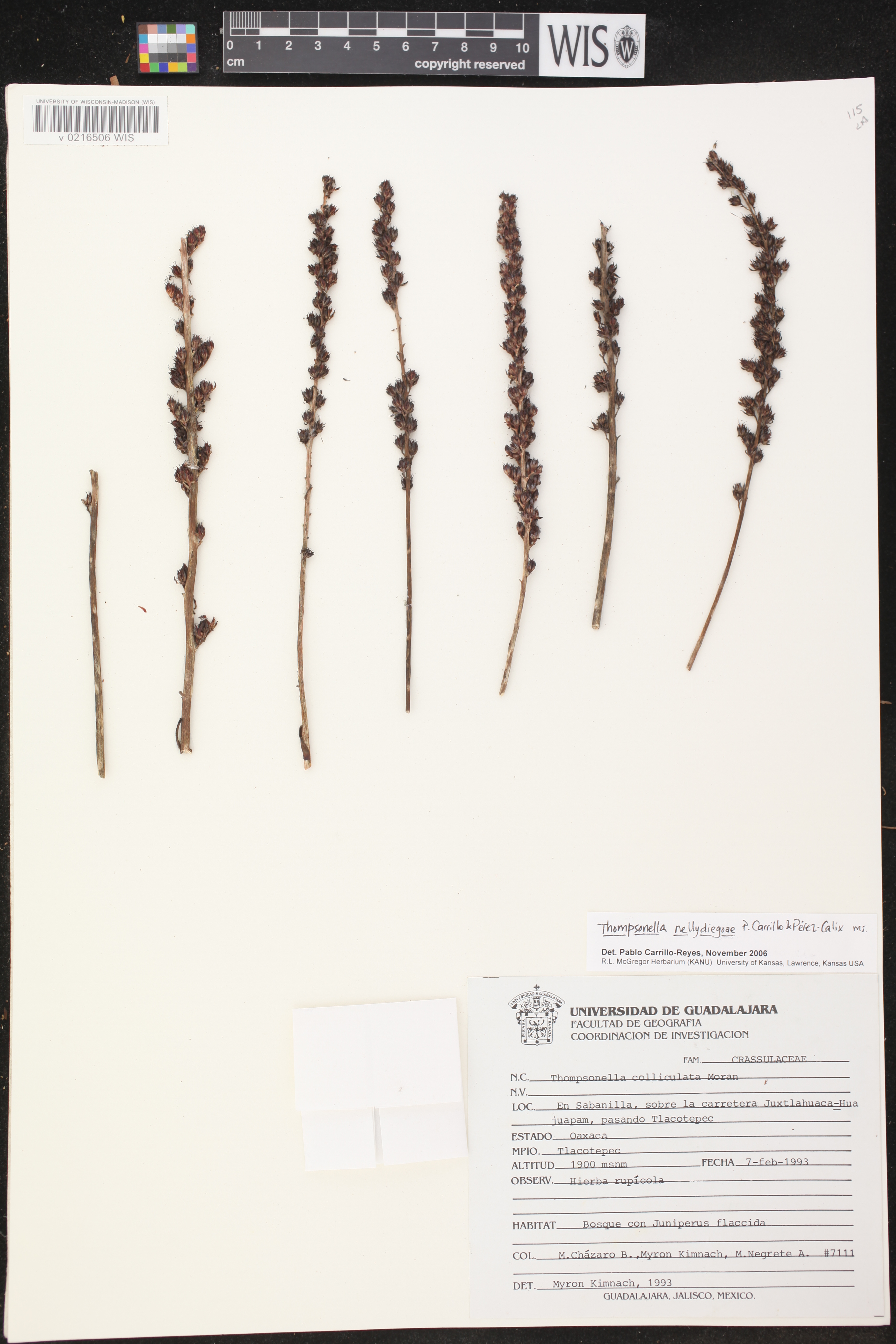
Thompsonella
Thompsonella is a genus of plants in the family Crassulaceae and is a member of the Acre clade. It includes about eight species endemic to Mexico.
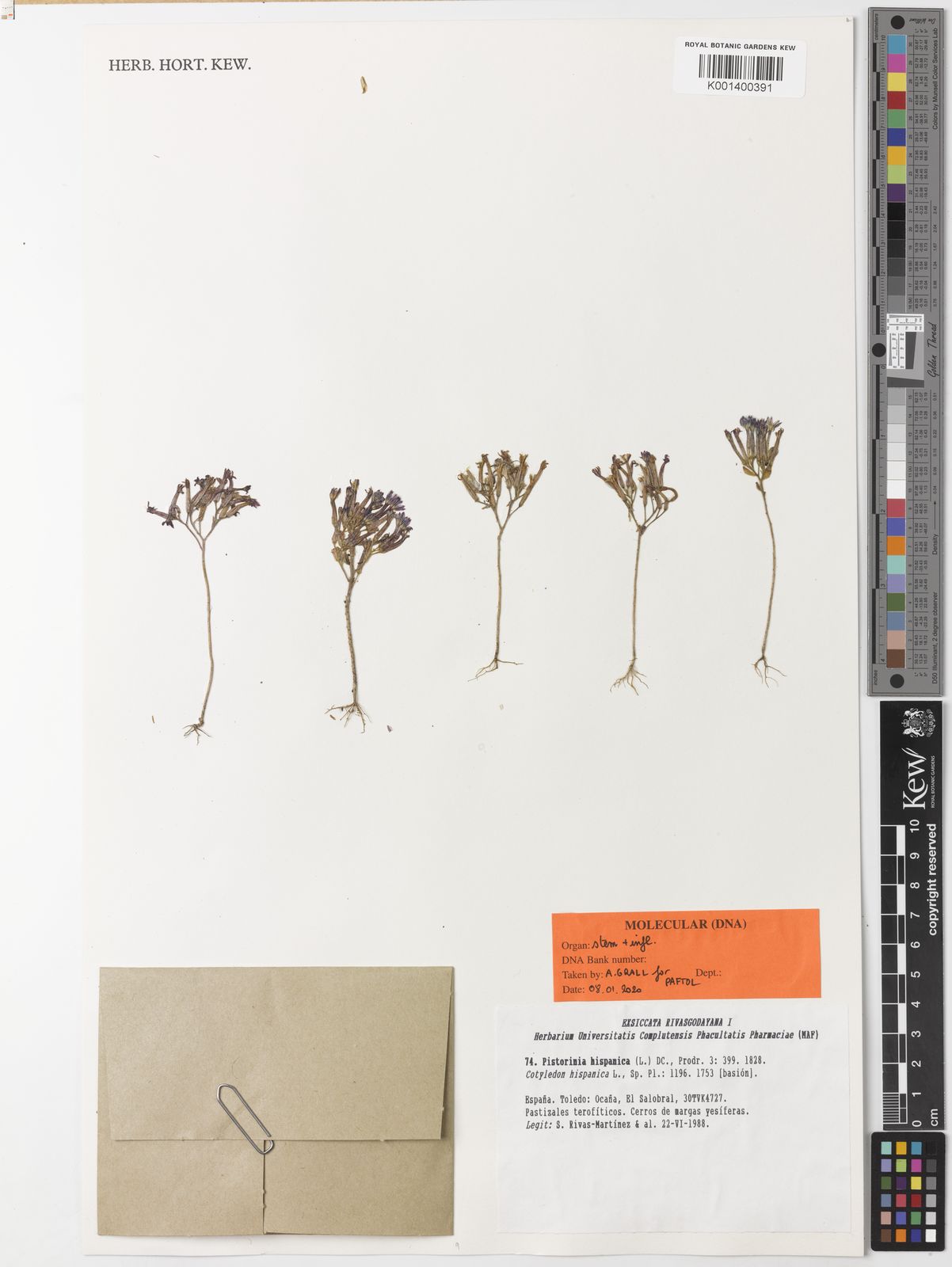
Pistorinia
Pistorinia is a genus of the succulent plant family Crassulaceae.

Petrosedum
Petrosedum is a genus of flowering plants in the succulent family Crassulaceae (stonecrop family).

Orostachys japonica
species of plant

Pachyphytum oviferum
species of plant
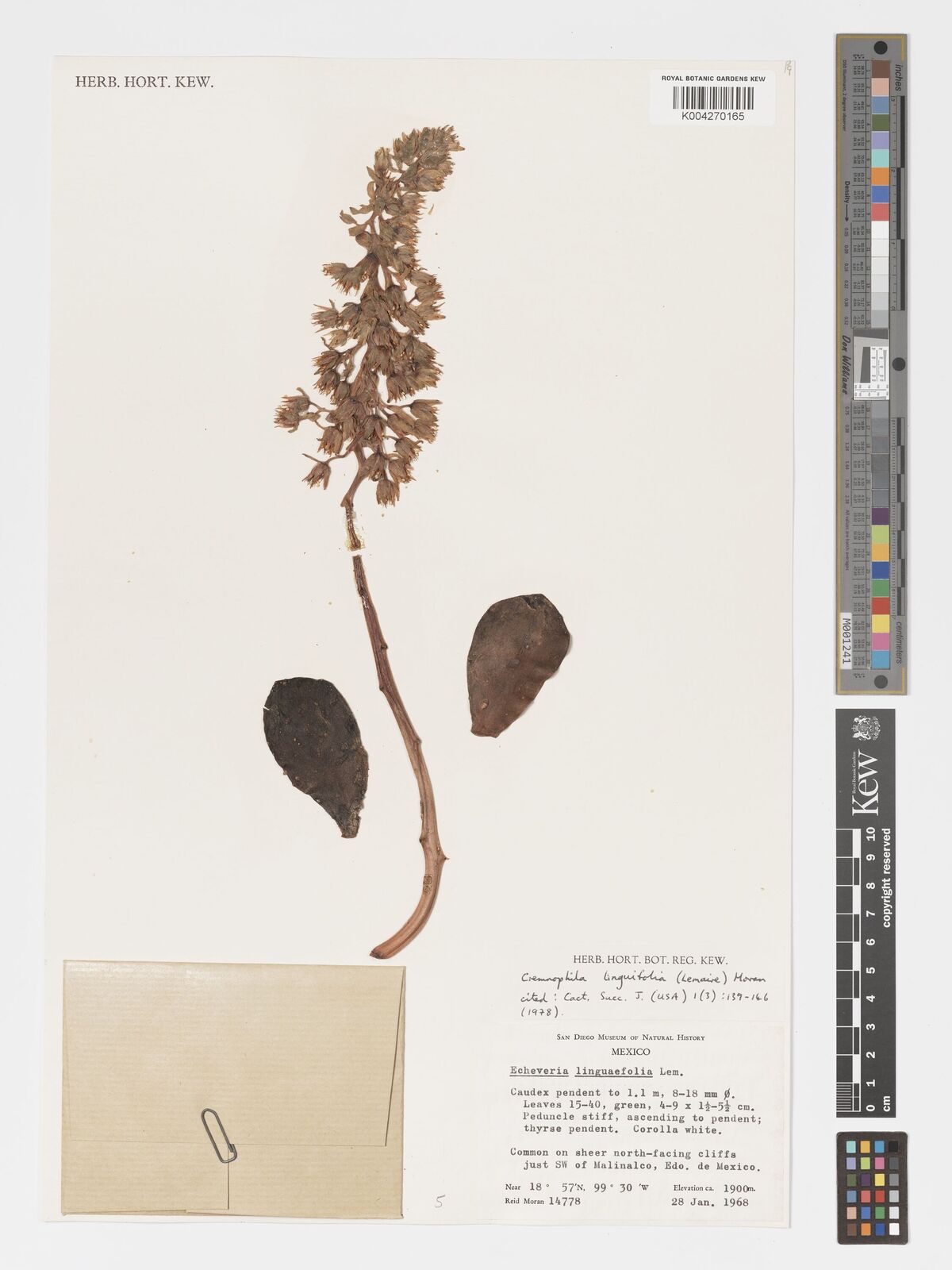
Cremnophila
genus of plants
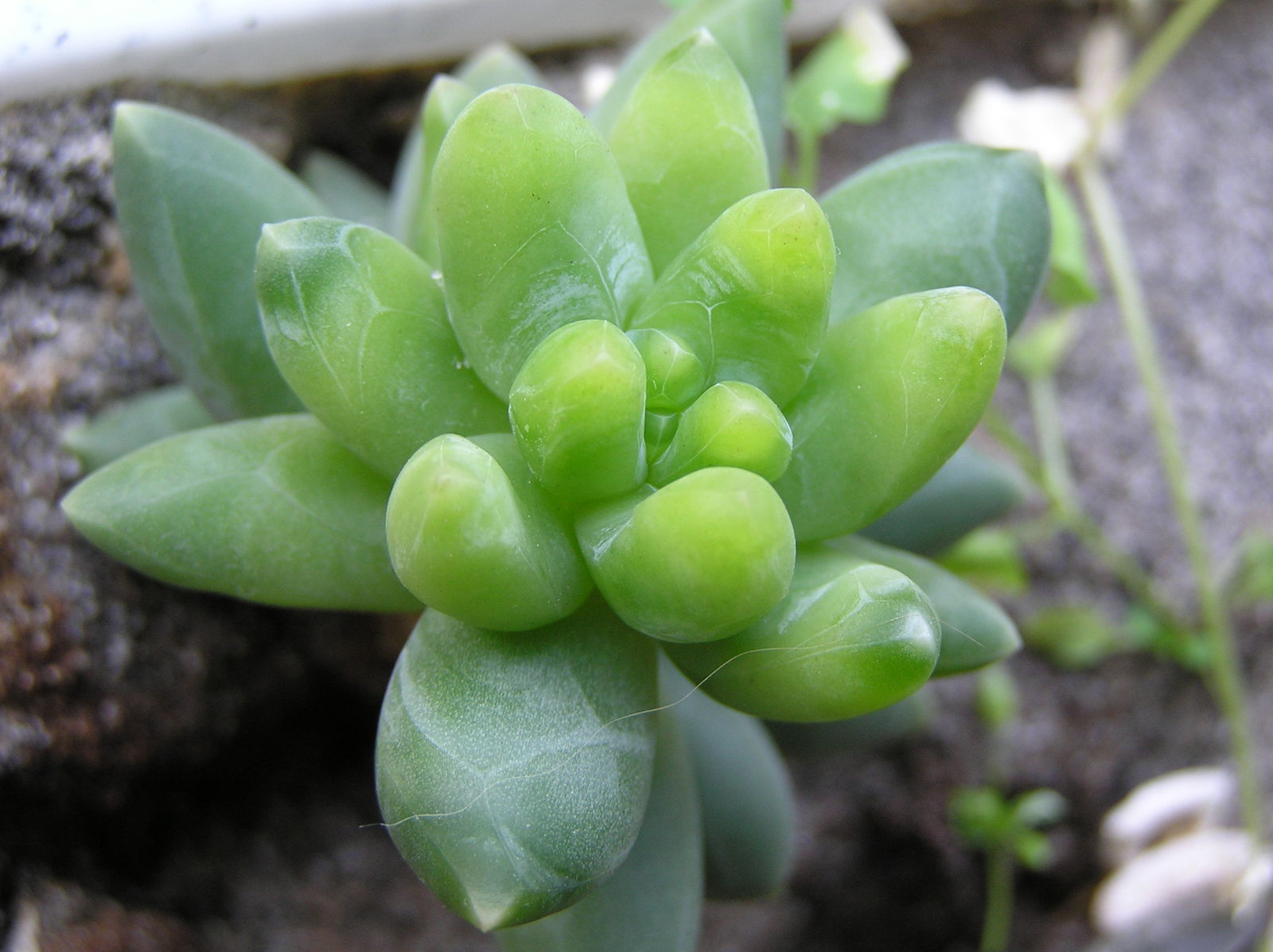
Pachyphytum compactum
species of plant
Sempervivoideae
Sempervivoideae is the largest of three subfamilies in the Saxifragales family Crassulaceae, with about 20–30 genera with succulent leaves. Unlike the two smaller subfamilies, it is distributed in temperate climates. The largest genus in this subfamily is Sedum, with about 470 species.
Prometheum pilosum
species of plant
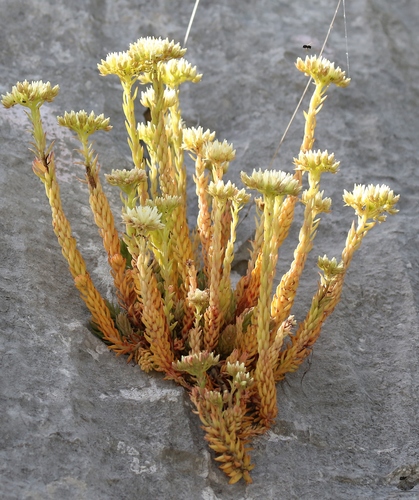
Sedum ochroleucum
species of plant
Kalanchoideae
Kalanchoideae is one of three subfamilies in the Saxifragales family Crassulaceae, with four succulent genera.

Sedella
genus of plants
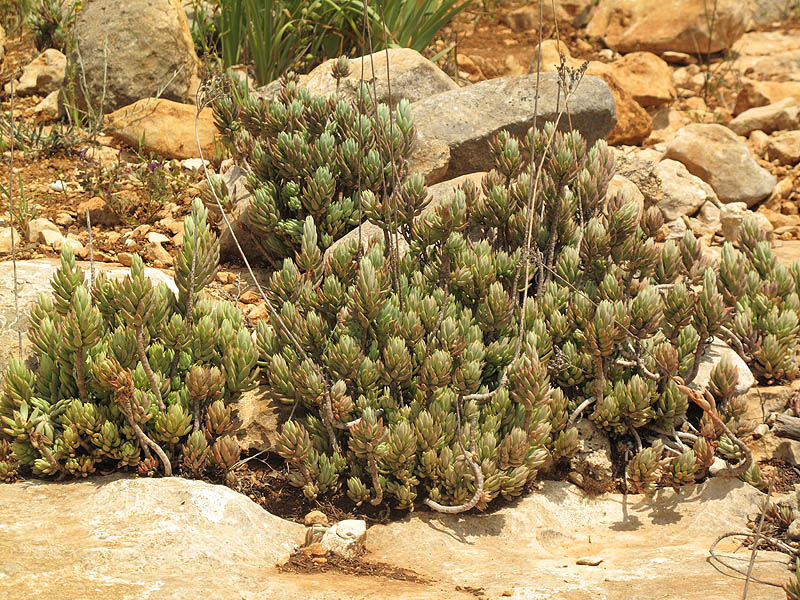
Petrosedum sediforme
species of plant
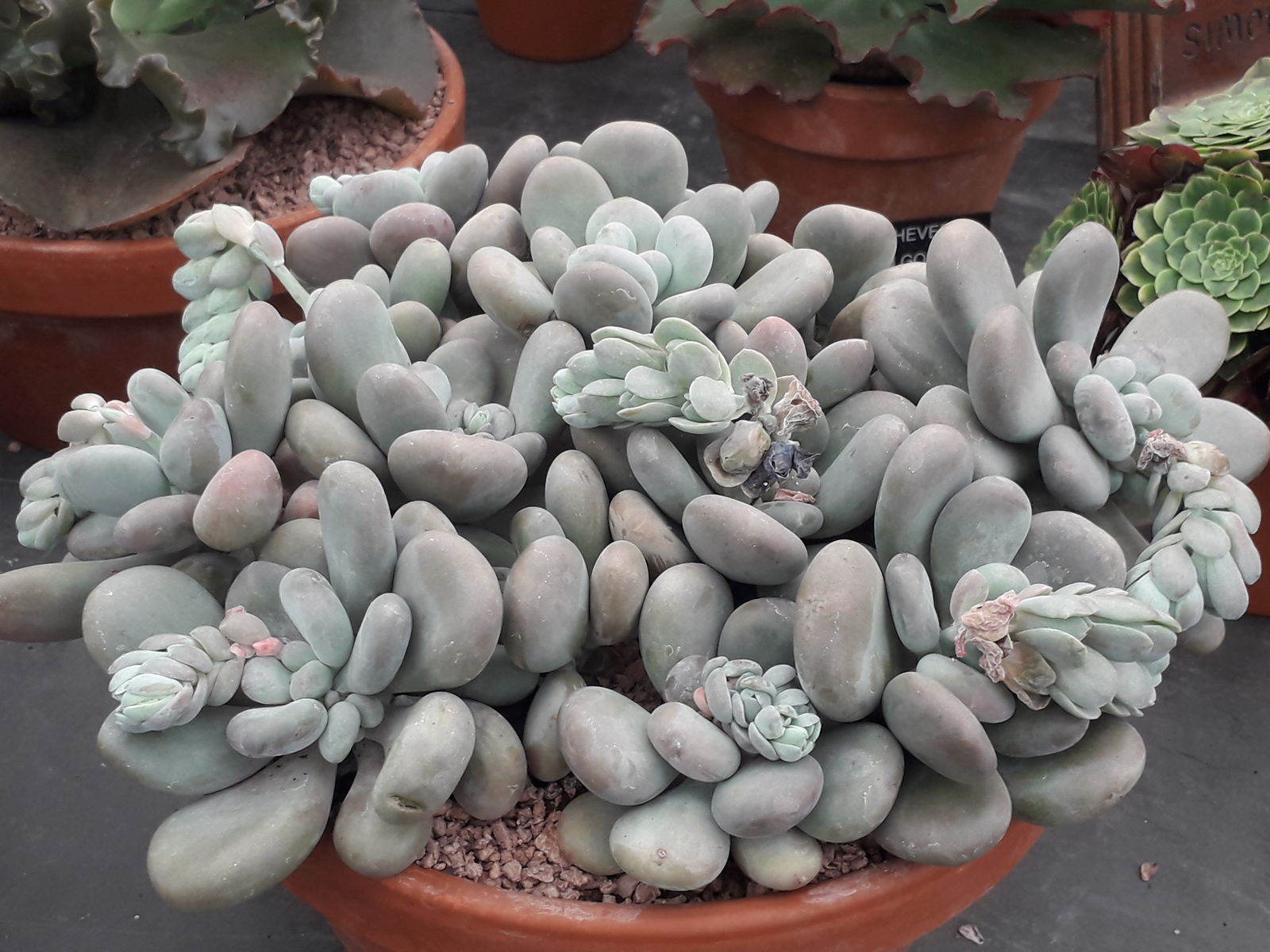
Pachyphytum bracteosum
species of plant
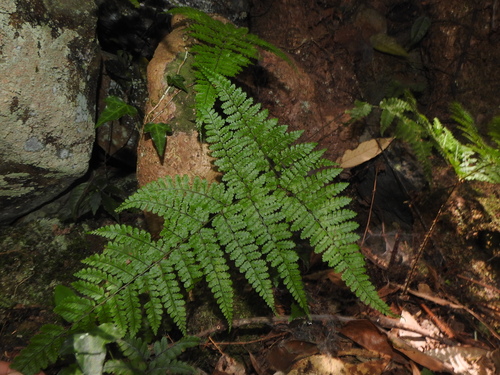
Kungia
Kungia is a genus of Crassulaceae that contains 2 accepted species. It is a perennial herb growing in China (Gansu, Shaanxi, Sichuan).
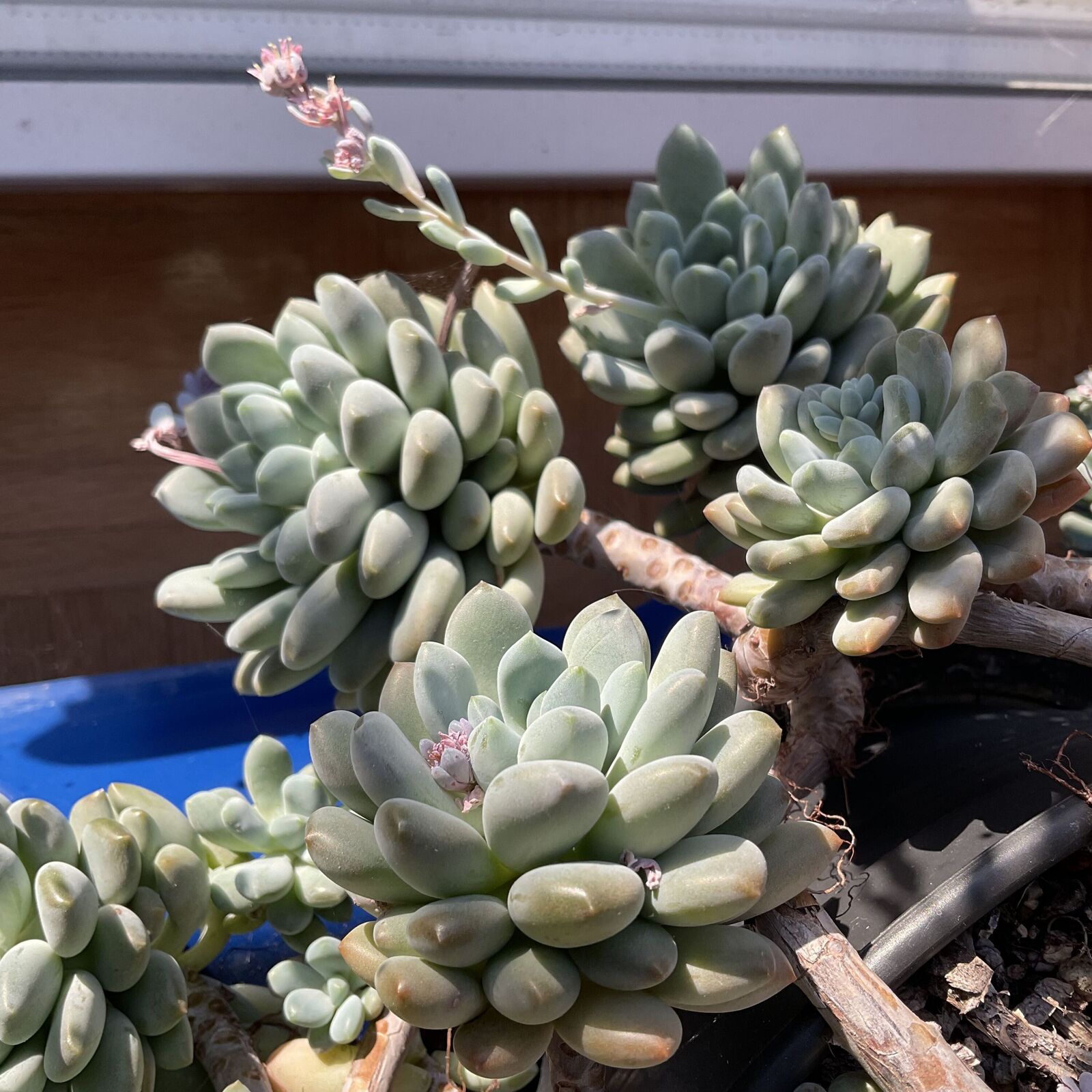
Pachyveria
genus of plants
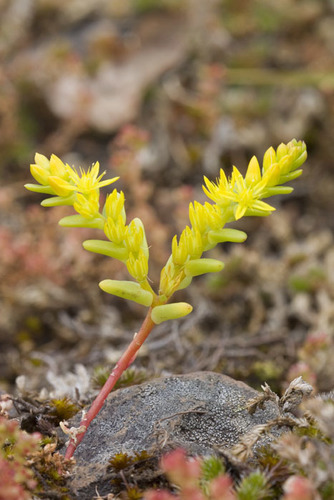
Sedella pumila
species of plant
Hypagophytum
Hypagophytum is a genus of plants in the family Crassulaceae. It includes only the species Hypagophytum abyssinicum, endemic to Eritrea and Ethiopia.
Sedum brissemoretii
species of plant

Pachyphytum hookeri
species of plant
Perrierosedum
Perrierosedum is a genus of succulent plant in the family Crassulaceae containing only one species, Perrierosedum madagascariense. It is a critically endangered species endemic to Madagascar.
Sedum euxinum
species of plant

Afrovivella
Afrovivella is a monotypic genus of the succulent plant family Crassulaceae. The sole species is Afrovivella semiensis.
Meterostachys
Meterostachys is a genus of plants in the family Crassulaceae, that contains a single accepted species, Meterostachys sikokiana, native to Japan and Korea. It is little known and is difficult to cultivate.
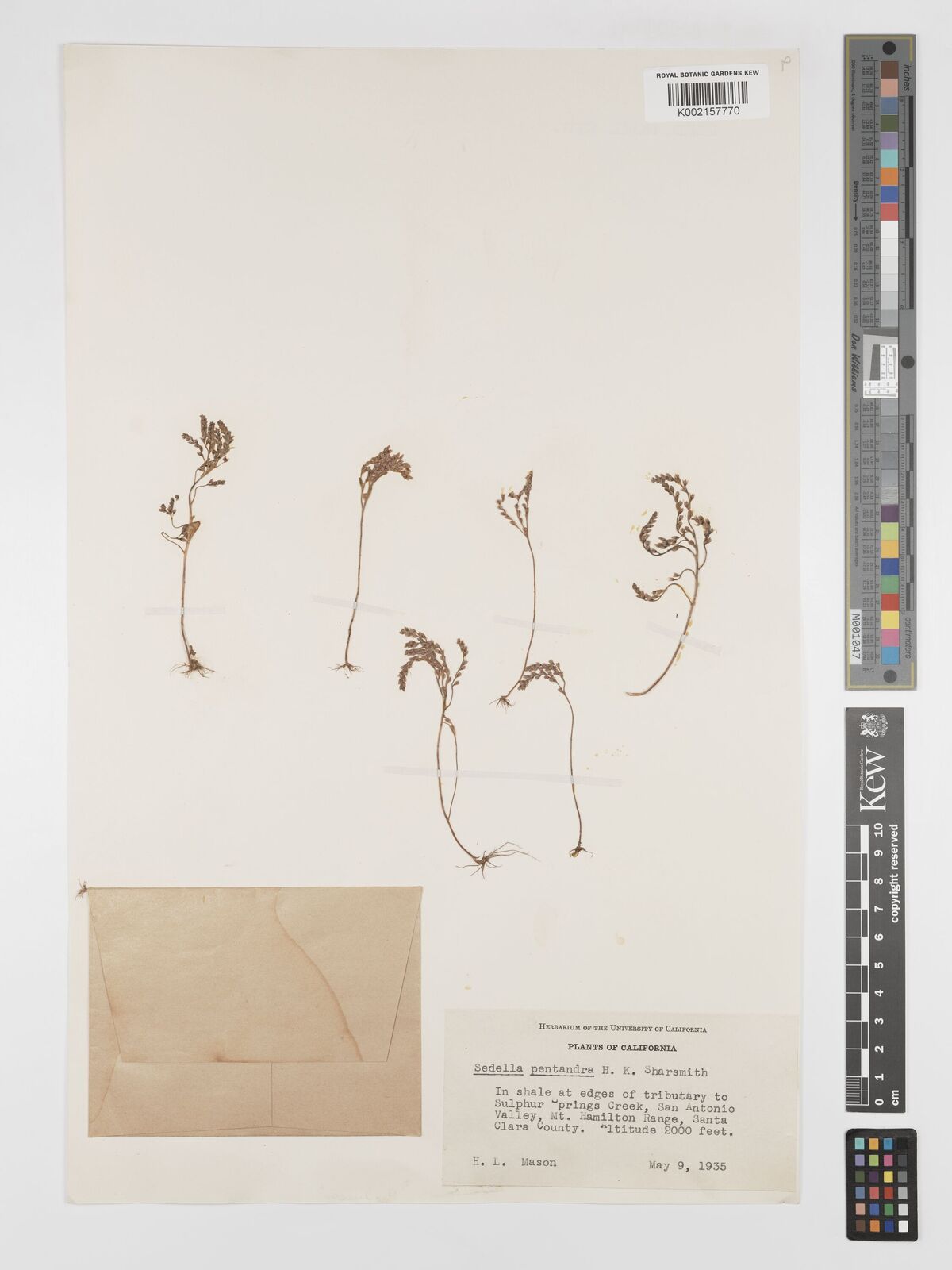
Sedella pentandra
species of plant
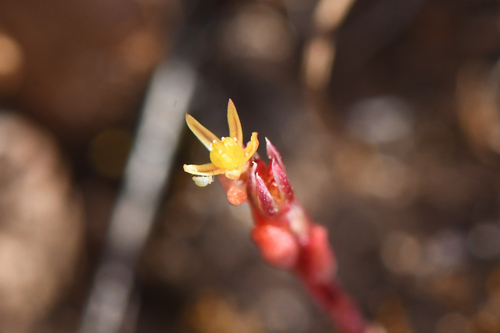
Sedella leiocarpa
species of plant

Sedella congdonii
species of plant